Ask most people what they picture when they hear "metal roof." They'll describe rain hammering on a barn. That image comes from real experience. Just not the kind that applies to residential metal roofing. The noise myth persists because almost nobody has heard a proper metal roof installation over a home. They've only heard a barn, or seen one in a movie, and assumed the two experiences would be identical.
Where the Noise Myth Actually Comes From
Barns and pole buildings typically install metal panels directly over open framing. There's no solid decking and no insulation between the metal and the interior space. Rain hits bare metal and transmits sound directly into an open structure with nothing to absorb it. That's the sound most people associate with metal roofing. It's a completely different installation than what goes on a house.
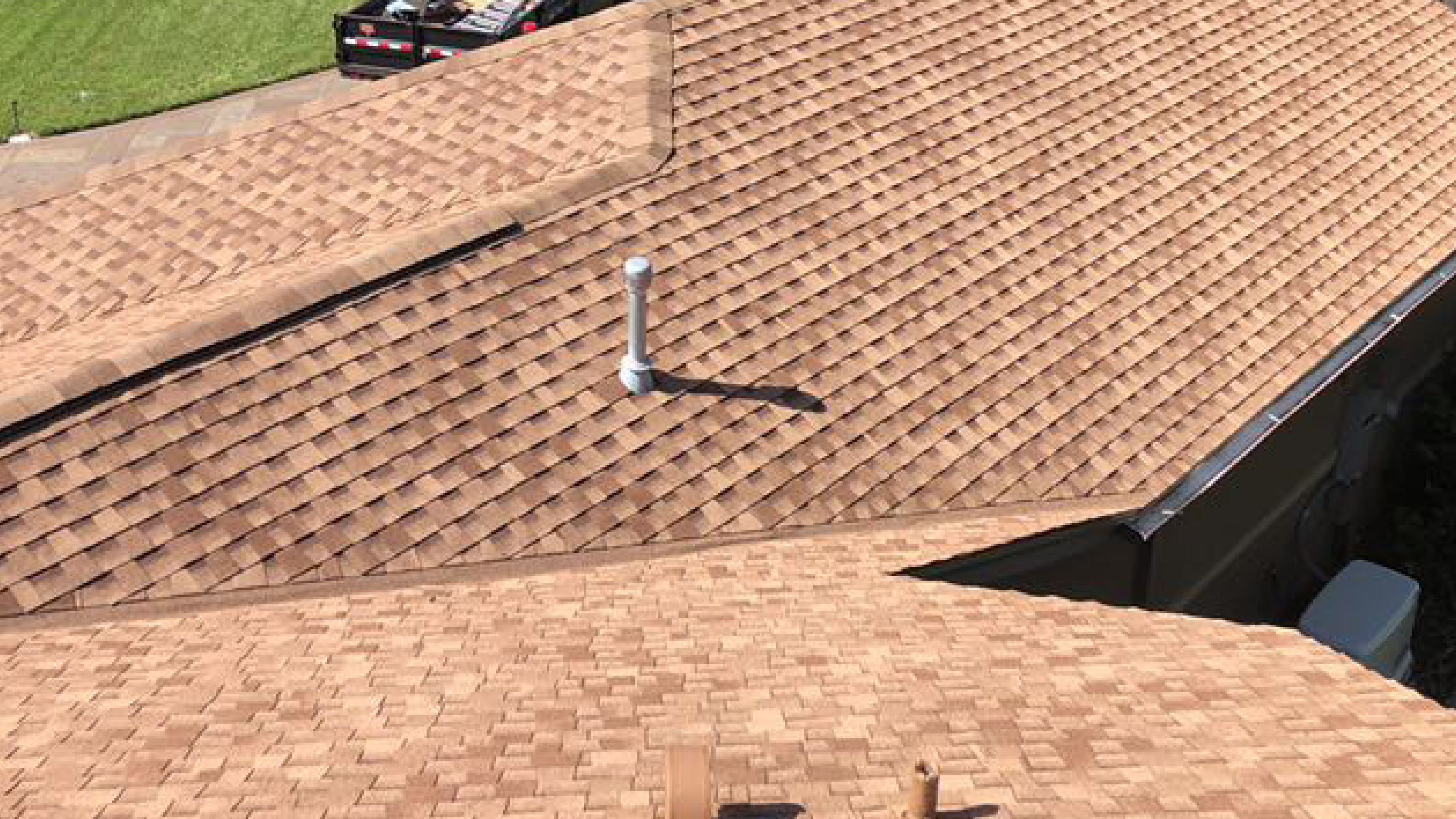
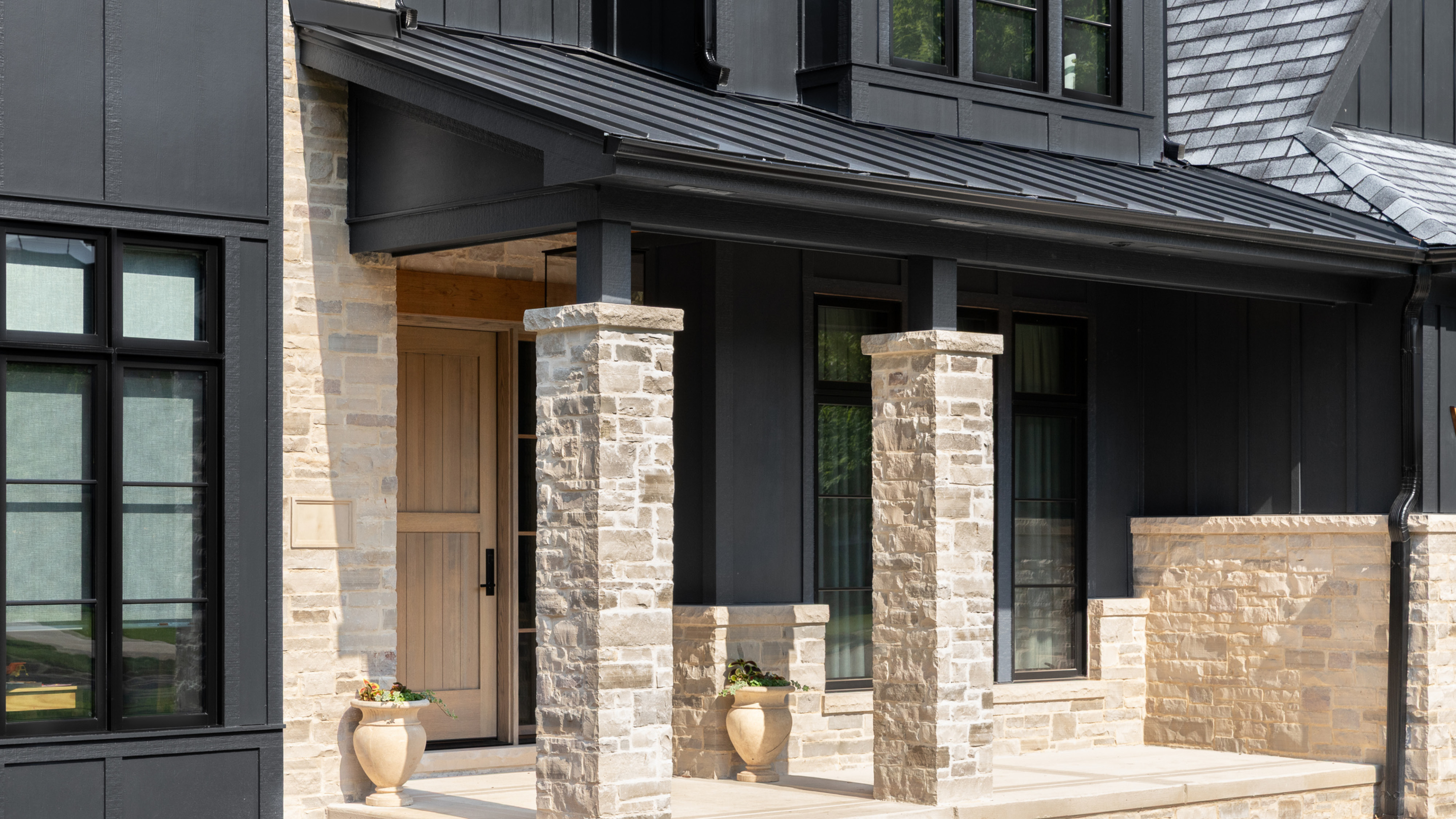
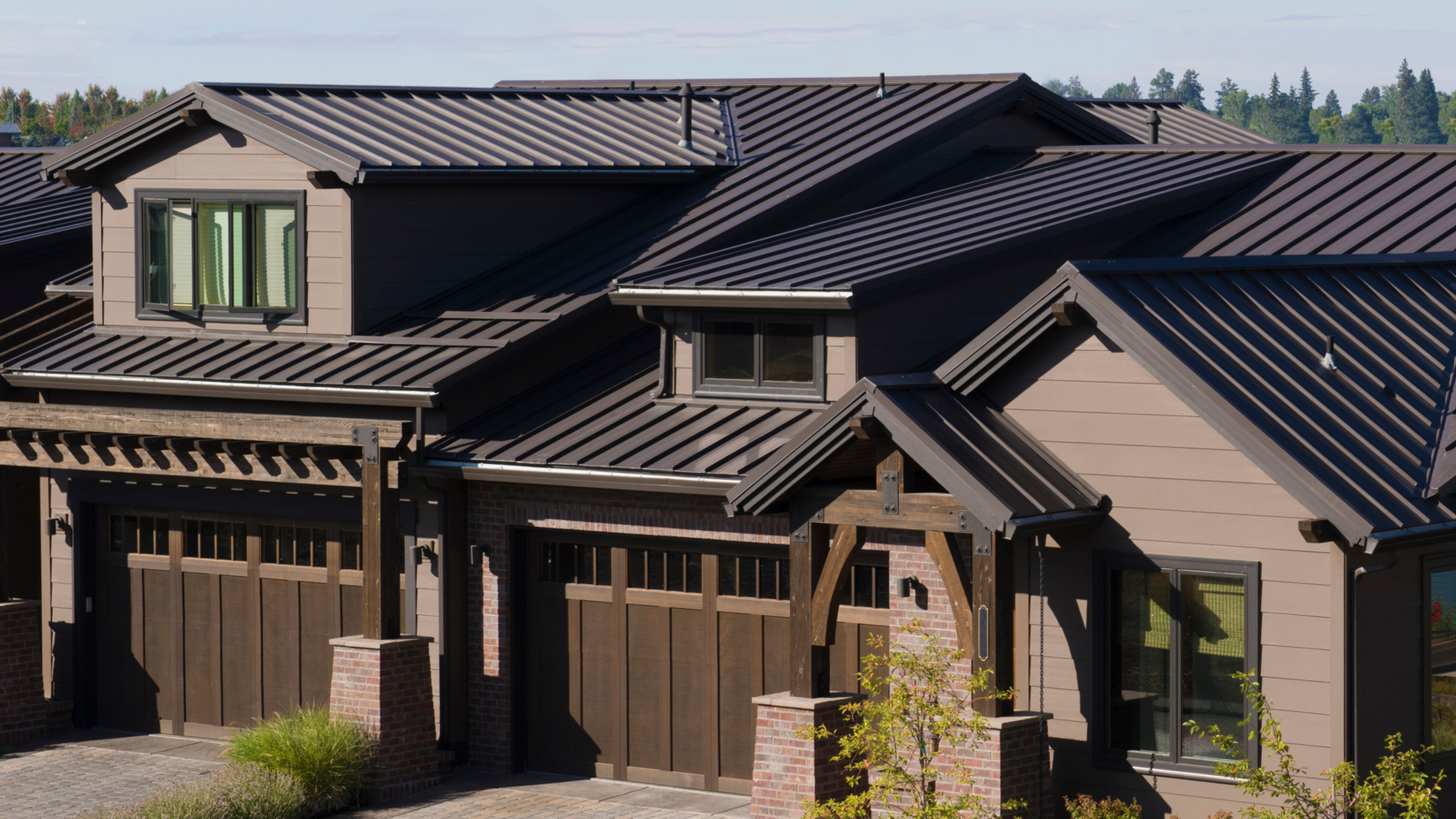
Residential metal roofing installs over solid decking. The same plywood or OSB base used under asphalt shingles. Plus underlayment, and often additional insulation. All of that material sits between the metal panel and your living space. It absorbs sound long before it would reach your ceiling.
What Sound Testing Actually Shows
Independent sound testing on solid-decked metal roofing systems shows interior noise levels comparable to asphalt shingle roofs. Not the dramatic difference the barn stereotype implies. The Metal Roofing Alliance has published testing addressing this exact misconception. It's one of the most common objections homeowners raise before ever hearing an actual installed system for comparison.
The difference between a metal roof and shingles during rain, measured from inside a properly built attic space, is often too small for most people to notice without instruments. What people actually notice is the visual of metal roofing paired with an assumption about sound. That assumption doesn't match the physical reality of how residential systems get installed.
Other Factors That Do Affect Sound
Attic insulation depth affects interior noise more than the roofing material choice does. That's true for both metal and asphalt roofs alike. A poorly insulated attic transmits more exterior sound regardless of what's covering the roof deck. This is worth knowing if noise is a real concern. Upgrading insulation might address the issue more directly than avoiding metal roof installation altogether.
Roof pitch also plays a role. A steeper pitch sheds water faster. That can actually reduce how long rain contact sound lasts, compared to a low-slope roof where water lingers longer. Panel profile matters too. Standing seam panels with wider spans between fasteners can behave slightly differently than shorter panel systems. The difference is minor compared to the deck and insulation factors, though.
What to Ask If Noise Is a Concern
If noise is a real concern, a few specific questions help you evaluate the actual installation, not just the material:
- What decking and underlayment they plan to use under the metal roof installation
- Whether additional sound-dampening underlayment is available as an option, since some manufacturers offer a specific acoustic product designed for exactly this concern
- What attic insulation depth is planned, since that affects interior noise more than the roofing material choice does
- Whether you can visit a completed residential metal roofing project during a rainstorm, if the homeowner is willin
Hearing an actual installed system is the most direct way to evaluate the noise level. That beats relying on assumptions built around a completely different type of building.
Why Metal Roofing Companies Rarely Address This Upfront
Many residential metal roofing companies focus their sales conversation on durability and longevity. Those are metal roofing's clearest advantages. They rarely bring up the noise question unless a homeowner asks directly. This isn't necessarily an attempt to hide anything. It's more often an assumption that the myth has already been addressed elsewhere, which isn't always true.
A contractor willing to proactively explain the decking, insulation, and underlayment details that actually determine sound levels is demonstrating real product knowledge. That's different from just reciting a sales script. That level of detail is worth paying attention to during a consultation.
What Metal Roofing Actually Costs Compared to Asphalt
Cost is often the more relevant tradeoff homeowners should weigh, rather than noise. Residential metal roofing typically costs more upfront than asphalt shingles. Sometimes two to three times as much, depending on the panel type and finish selected. That higher initial cost is usually offset over time by a longer service life. Often 40 to 70 years, compared to 20 to 30 for asphalt. Some markets also offer insurance discounts for impact-resistant metal products.
Ask your contractor for a real cost comparison over the expected lifespan of each option. Not just the upfront installation price. The total cost of ownership often tells a very different story than the initial estimate alone. Certain reflective metal roofing finishes also qualify for ENERGY STAR's cool roof program, which can factor into that long-term cost comparison too.
Why Climate Plays a Role in This Decision
Wisconsin and Illinois homeowners dealing with heavy snow loads often find metal roofing sheds snow faster than asphalt shingles, reducing the weight sitting on the structure after a storm. Florida homeowners get a different benefit: many metal roofing products carry high wind ratings that hold up well against hurricane-force gusts, sometimes qualifying for the same kind of insurance discounts available through programs like FORTIFIED Roof.
What Maintenance Actually Looks Like Long-Term
Residential metal roofing generally requires less maintenance than asphalt over its lifespan, since there are no granules to shed and no individual shingles to lift or blow off in high wind. That said, seams and fastener points still need periodic inspection, particularly after severe weather, since a loosened fastener or a compromised sealant at a penetration point is where most metal roof leaks actually originate.
Ask whether your installer recommends a specific inspection schedule for the metal roofing system you're considering, and whether that inspection is something you can do yourself or something that requires a professional. Most manufacturers publish maintenance guidance specific to their product, and following it is often a condition of keeping the warranty valid.
What Ridge Top Provides
Ridge Top Exteriors is one of the residential metal roofing companies that installs over solid decking with proper underlayment, and can walk you through sound-dampening options if noise is a concern. You can browse our roofing services and read homeowner reviews. Our process page explains what to expect from consultation to final walkthrough.
Use our instant quote tool to get a starting estimate on your metal roofing project, or schedule a consultation with a Ridge Top project consultant to discuss whether metal roofing fits your home.