What You Need to Know About New Vinyl Siding Cost
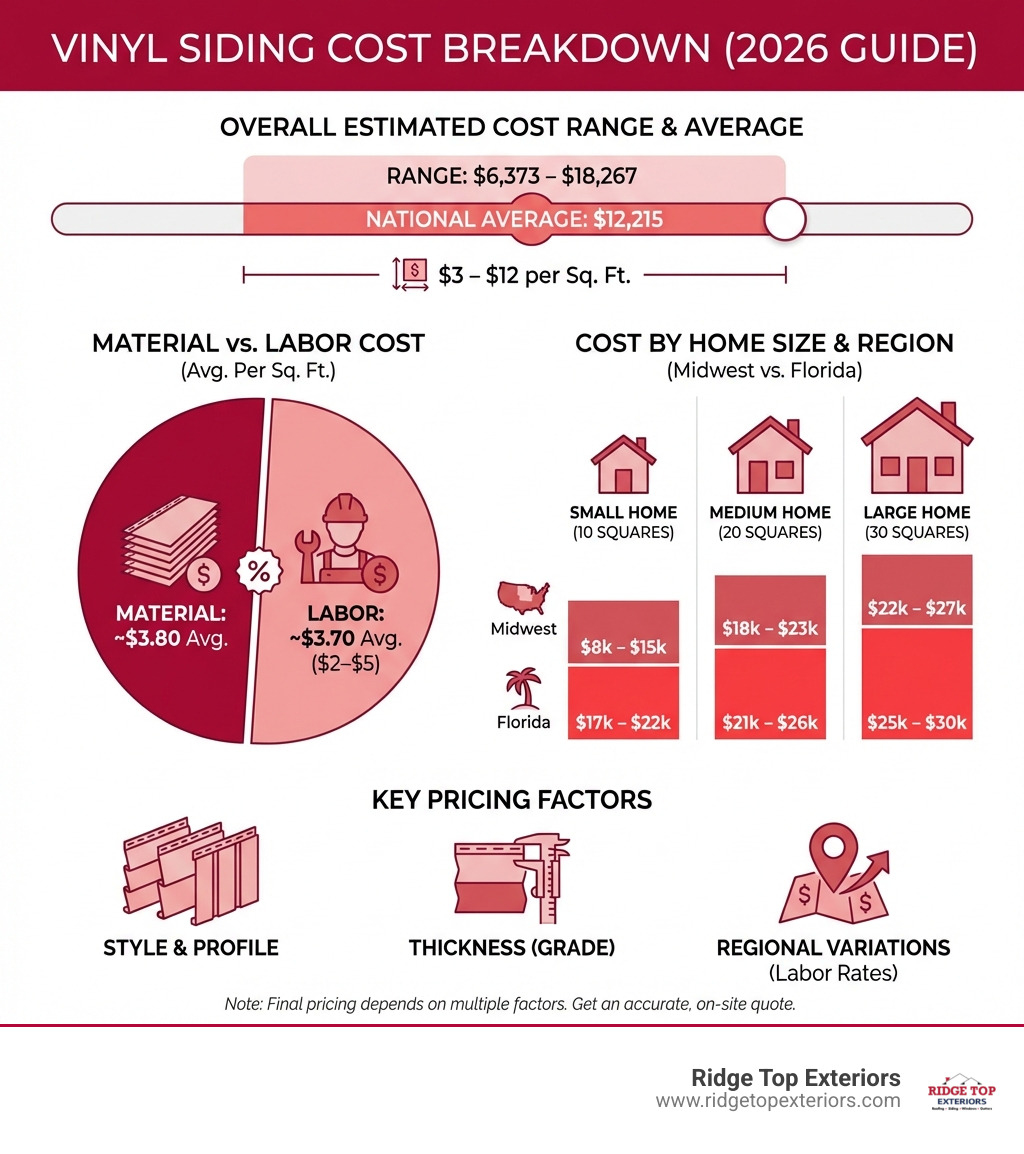
New Vinyl Siding Cost typically ranges from $6,373 to $18,267 for a full home installation, with a national average of $12,215. Most homeowners pay between $3 and $12 per square foot, depending on material quality, home size, and labor rates.
Quick Cost Overview:
- Small homes (10 squares): $8,000–$15,000 (Midwest) | $17,000–$22,000 (Florida)
- Medium homes (20 squares): $18,000–$23,000 (Midwest) | $21,000–$26,000 (Florida)
- Large homes (30 squares): $22,000–$27,000 (Midwest) | $25,000–$30,000 (Florida)
- Material costs: ~$3.80 per square foot on average
- Labor costs: $2–$5 per square foot (averaging $3.70)
Note: Final pricing depends on home size, architectural complexity, material grade, local labor rates, and project-specific factors. For an accurate estimate, you'll need a free, on-site quote.
If you're planning a siding project, you're probably dealing with one of two scenarios: storm damage that needs immediate attention, or an aging exterior that's hurting your home's curb appeal and energy efficiency. Either way, understanding what drives vinyl siding costs helps you budget smartly and avoid surprises.
Vinyl siding remains one of the most popular exterior options in America because it delivers excellent value. It's affordable compared to alternatives like fiber cement or wood, requires minimal maintenance, and can last 20 to 40 years when installed correctly. But "affordable" doesn't mean simple—costs vary widely based on your home's size, the style and thickness of siding you choose, and whether you need additional work like old siding removal or structural repairs.
This guide breaks down everything that affects New Vinyl Siding Cost, from material grades and labor rates to hidden expenses and money-saving strategies. You'll also learn how vinyl compares to premium alternatives like LP SmartSide (available in the Midwest) and James Hardie (available in Florida), so you can make the right choice for your home and budget.
I'm Carter Joyce, Director of Marketing at Ridge Top Exteriors. Over the past five years, I've helped thousands of homeowners steer exterior renovation decisions, including breaking down New Vinyl Siding Cost factors and ROI through transparent, data-driven content. Whether you're recovering from storm damage or planning a curb appeal upgrade, I'll guide you through the numbers so you can invest confidently.
Know your New Vinyl Siding Cost terms:
- Hardie siding near me
- siding contractors near me
- siding repair madison wi
Understanding the Average Cost of New Vinyl Siding
When considering a new vinyl siding project, one of the first questions on every homeowner's mind is, "How much will this cost?" We understand that budgeting is key, and while every home is unique, we can provide a clear picture of the average expenses involved.
The national average cost for installing vinyl siding on an entire home typically lands around $12,215. However, this is just an average, and we see projects fall within a broader range of $6,373 to $18,267. To break it down further, vinyl siding installation generally costs between $3 and $12 per square foot, with an average of about $7.50 per square foot.
It's helpful to understand how this cost is distributed. On average, the vinyl siding material itself is priced at roughly $3.80 per square foot. The remaining portion covers labor and other project-related expenses. Speaking of labor, professional installation typically runs from $2 to $5 per square foot, averaging around $3.70 per square foot. This means labor can account for a significant portion, sometimes even half, of your total New Vinyl Siding Cost.
Regional variations also play a crucial role. For instance, in our Midwest service areas like Madison, Milwaukee, or Gurnee, a small home (around 10 squares, or 1,000 square feet of siding) might see vinyl siding costs ranging from $8,000 to $15,000. For a medium-sized home (20 squares), that range typically shifts to $18,000 to $23,000, and for larger homes (30 squares), it could be $22,000 to $27,000.
Meanwhile, in our Florida locations such as Clearwater or Tampa, due to different market conditions and material demands, the costs can be a bit higher. A small vinyl siding project could range from $17,000 to $22,000, a medium home from $21,000 to $26,000, and a large home from $25,000 to $30,000. These figures include both materials and professional installation.
These are estimated ranges. The exact pricing for your project will depend on various factors unique to your home, such as its size, architectural complexity, the specific material grade you choose, necessary permits, accessibility, and local market conditions. That's why we always recommend a free, on-site quote to give you the most precise numbers.
Key Factors That Influence Your New Vinyl Siding Cost
When we talk about the New Vinyl Siding Cost, it's rarely a one-size-fits-all number. Several critical factors come into play, shaping the final investment you'll make in your home's exterior. Understanding these influences can help you make informed decisions and manage your budget effectively.
First, the size of your home is a primary driver. Since siding is priced per square foot, a larger house naturally requires more material and labor, leading to a higher overall cost. A small ranch home will have a significantly different price tag than a sprawling two-story residence.
Architectural complexity is another major factor. Does your home feature multiple gables, dormers, intricate corners, or unique angles? While these architectural details add charm and character, they also increase the time and skill required for installation. More cuts, more trim work, and more careful detailing mean higher labor costs. A simple, rectangular home is generally less expensive to side than one with a complex design.
The quality and thickness of the vinyl siding you choose will directly impact the price. Vinyl siding isn't all the same; it comes in various grades, typically measured by thickness in millimeters. Thicker panels (e.g., .55mm for premium grade) are generally more durable and expensive than thinner ones (e.g., .40mm for builder's grade). Similarly, the panel length can affect both price and aesthetics—longer panels often mean fewer seams and a cleaner look, but can also contribute to a higher cost.
The siding style you select also plays a role, as we'll discuss in more detail shortly. Some styles, like traditional lap, are more budget-friendly, while specialty options such as shakes or faux stone can push the price higher.
Finally, local labor rates are a significant component of the total cost. These rates can vary depending on your specific location within our service areas, from Appleton, WI to Clearwater, FL. A contractor's experience, reputation, and the demand for their services in your local market will all influence their labor charges.
We strongly advocate for professional installation over DIY. While DIY might seem like a way to save on labor costs, it comes with considerable risks. Improper installation can be dangerous, potentially leading to injuries, and it can also compromise the siding's performance, durability, and warranty. Many vinyl siding manufacturers require professional installation for their warranties to remain valid. We highly recommend leaving this crucial work to experts to ensure proper installation, code compliance, and the long-term durability of your investment.
For more information on why expert installation matters and how we approach your siding project, explore our services page: More info about our expert siding installation.
Vinyl Siding Cost by Type, Style, and Thickness
One of the beauties of vinyl siding is the sheer variety available, allowing homeowners to achieve diverse aesthetic goals without breaking the bank. However, this variety also means that the New Vinyl Siding Cost can fluctuate significantly based on the specific type, style, and thickness you select.
Let's break down some common vinyl siding styles and their typical cost per square foot, including materials and installation:
| Vinyl Siding Style | Average Cost Per Square Foot (Installed) |
|---|---|
| Traditional Lap (Clapboard) | $1 – $6 |
| Smooth | $2 – $6 |
| Dutch Lap | $3 – $8 |
| Beaded | $3 – $7 |
| Log-Look | $3 – $5 |
| Board and Batten | $2.50 – $8 |
| Vinyl Shake | $3 – $10 |
| Scalloped | $4 – $9 |
| Brick-Look | $4 – $10 |
| Stone-Look | $4 – $10 |
How Style and Thickness Affect Price
You might notice a considerable range within these styles. This is largely due to factors like finish and thickness.
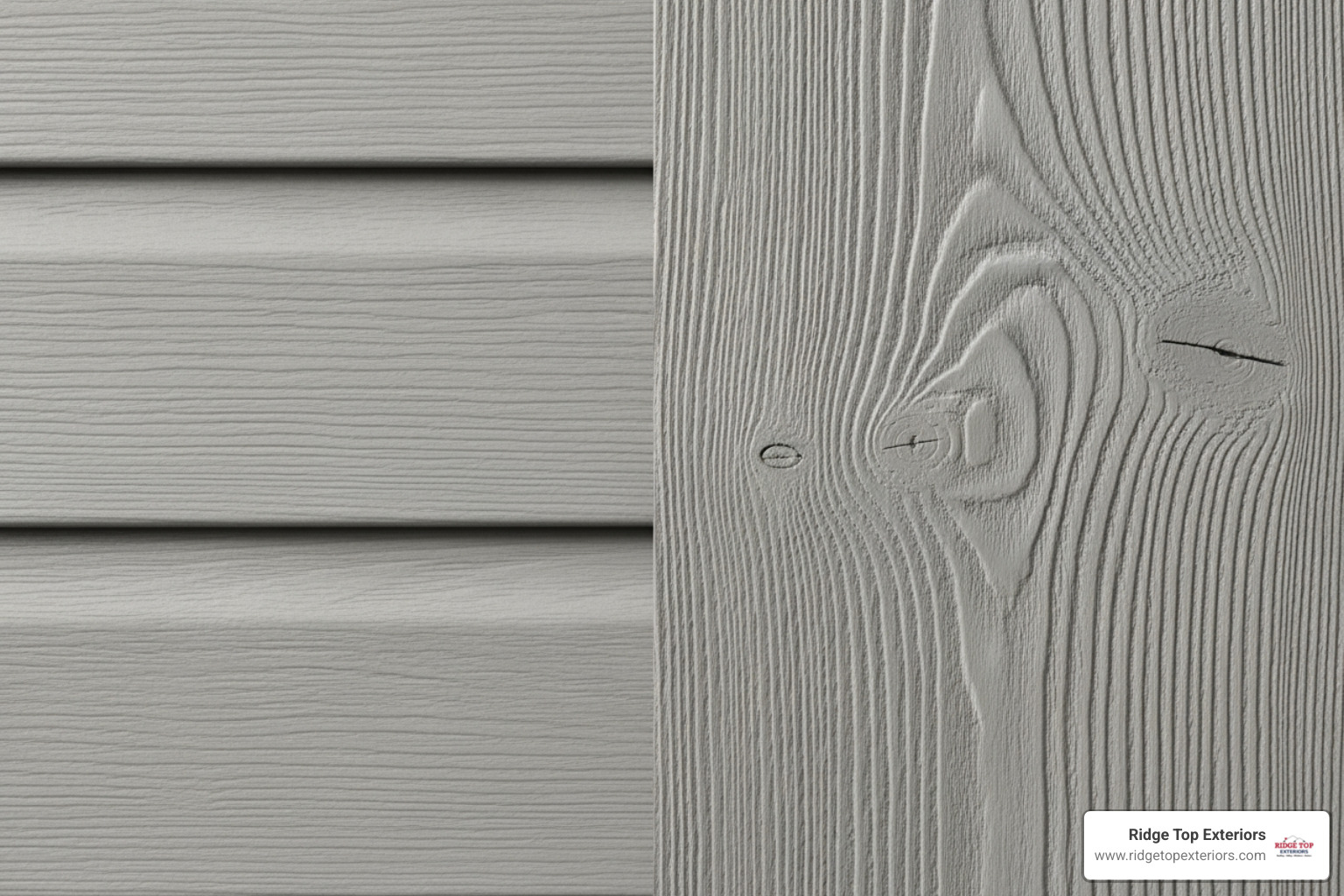
Smooth vs. textured finishes: Basic smooth or traditional lap styles, often mimicking painted wood clapboard, are generally the most affordable. If you opt for textured finishes designed to replicate wood grain, or specialty styles like board and batten, vinyl shake, or scalloped shingles, the cost per square foot will increase. These premium styles offer improved curb appeal and architectural interest, but they come with a higher price tag. Faux finishes, such as vinyl designed to look like brick, stone, or log siding, also tend to be on the higher end of the vinyl siding spectrum, often averaging around $7.50 per square foot.
Thinner vs. thicker panels: The thickness of vinyl siding panels directly correlates with both durability and price. Vinyl siding is measured in millimeters, ranging from thinner builder's grade (.40mm) to robust premium grade (.52mm to .55mm). Thicker panels offer greater rigidity, better impact resistance, and often come with longer warranties. While a thinner panel might be a budget-friendly choice, a thicker, more durable panel will likely perform better and last longer, making it a wise long-term investment. Upgrading from basic entry-level siding to a thicker, more robust option can add an additional $4 to $8 per square foot.
The Higher New Vinyl Siding Cost of Insulated Panels
For homeowners prioritizing energy efficiency, insulated vinyl siding is an increasingly popular option. This type of vinyl siding comes with a rigid foam insulation backing, typically expanded polystyrene, which provides several benefits, though it does increase the New Vinyl Siding Cost.
Insulated vinyl siding generally costs between $4 and $12 per square foot to install, averaging around $8 per square foot. This is more than traditional vinyl, but for good reason. The added insulation significantly boosts your home's R-value—a measure of thermal resistance—potentially up to five times higher than typical vinyl siding. This means better temperature regulation inside your home and, often, noticeable savings on your energy bills.
Beyond energy savings, the insulation also improves the siding's durability. It provides extra rigidity, making the panels more resistant to impact and less prone to warping or sagging, especially in fluctuating climates like those in Wisconsin or Illinois. Adding insulation during your siding installation can increase upfront costs by $1,000 to $3,000, but this investment can pay off through reduced energy consumption and a more resilient exterior. In some cases, insulated vinyl siding may even qualify for tax breaks related to energy efficiency improvements, further sweetening the deal.
Vinyl Siding vs. Other Siding Materials: A Cost, Value, and ROI Analysis
Choosing the right siding for your home involves weighing several factors: aesthetics, durability, maintenance, and, of course, cost. While vinyl siding offers excellent value, compare it with other materials, especially the premium options we offer, to make the best decision for your home.
Pros and Cons of Vinyl Siding
Let's start with the advantages of vinyl siding. It's renowned for being one of the most affordable siding materials available, often rivaled only by metal siding. This makes it an attractive option for homeowners looking to refresh their exterior on a budget. Vinyl is also incredibly low-maintenance; it never needs painting, resists insects and dents, and its color is inherent to the material, meaning it won't chip or fade. It's durable and relatively easy to install, making it a quick and efficient upgrade.
However, vinyl siding does have its drawbacks. While durable, it can sometimes crack or warp, particularly in extreme temperature fluctuations if not properly installed or if a lower quality grade is used. Some homeowners and buyers may perceive vinyl as less premium than other materials, potentially affecting a home's value, especially for historically significant properties. If a panel is damaged, it often requires replacing the entire panel rather than a simple patch, which can be a minor inconvenience.
Comparing Siding Alternatives We Offer
At Ridge Top Exteriors, we also specialize in premium siding options that offer different benefits and price points, particularly in the Midwest and Florida.
In the Midwest (Wisconsin and Illinois), alongside vinyl, we proudly offer LP SmartSide Siding. This engineered wood product combines the aesthetic appeal of traditional wood with improved durability and resistance to impact, rot, and termites. While the initial New Vinyl Siding Cost is lower, LP SmartSide offers a significant upgrade in terms of curb appeal and long-term performance. For a medium-sized home (20 squares) in the Midwest, LP SmartSide can range from $25,000 to $32,000, showcasing its position as a premium alternative.
In Florida, where homes face unique climate challenges, we also install James Hardie Siding in addition to vinyl. James Hardie is a fiber cement product known for its exceptional durability, weather resistance (including hurricane-force winds), fire resistance, and ability to hold paint color for many years. It provides a beautiful, long-lasting finish that can mimic wood, but without the associated maintenance. For a medium-sized home (20 squares) in Florida, James Hardie siding typically costs between $27,500 and $34,500. In the Midwest, a similar project might range from $24,500 to $31,500.
While wood siding is a classic material, we focus on modern, low-maintenance alternatives. Traditional wood siding, though charming, typically requires regular painting or staining and can be susceptible to rot and insects, leading to higher long-term maintenance. Our offerings, LP SmartSide and James Hardie, are designed to provide the beauty of wood with superior performance and less upkeep.
Does New Siding Increase Home Value?
Absolutely! Installing new siding is one of the smartest investments you can make in your home. Not only does it instantly boost your home's curb appeal, making it more attractive to potential buyers, but it also offers an excellent Return on Investment (ROI).
According to Remodeling's 2021 Cost vs. Value Report, vinyl siding replacement projects can see an ROI of over 68 percent. Other reports even suggest an ROI as high as 80% for vinyl siding replacement. This means that a significant portion of your investment can be recouped when you sell your home. When we consider the durability of vinyl siding, which typically lasts between 20 to 40 years with proper care, it's clear that this is a long-term investment that pays dividends in both aesthetics and financial return.
Smart Budgeting: Additional Costs, Savings, and Financing
Understanding the base New Vinyl Siding Cost is just the beginning. A truly smart budget accounts for potential additional expenses, explores ways to save, and considers financing options to make your dream exterior upgrade a reality.
Potential Additional Costs
When planning your siding project, it’s crucial not to overlook these common additional costs that can impact your total investment:
- Old Siding Removal: If you're replacing existing siding, the old material needs to be removed and disposed of. This service typically costs between $1,000 and $3,000. We handle this professionally, ensuring proper disposal.
- Underlying Structural Repairs: This is often the biggest wildcard. Once the old siding is removed, we might uncover issues like rotting wood, water damage, or mold. Addressing these structural repairs is essential for the integrity of your home and can range from $500 to $5,000 or more, depending on the extent of the damage. Ignoring these issues would be like putting a band-aid on a broken bone!
- House Wrap and Insulation Upgrades: We often recommend installing a new house wrap or moisture barrier (costing around $0.50 to $2 per square foot) to improve your home's weather protection. As discussed, adding insulation during your siding installation can increase upfront costs by $1,000 to $3,000, but it significantly boosts energy efficiency.
- Soffit, Fascia, and Trim Work: These components are often replaced or updated during a siding project. Replacing soffits can cost between $1,000 and $4,000, while fascia replacement might be $1,000 to $3,300. Window trim and flashing work can add another $1,500 to $3,000 to the total. These details are vital for a polished look and proper protection.
- Building Permits: Most siding projects require a building permit from your local municipality. Permit costs can range from $50 to $500, depending on your location (e.g., in Madison, WI or Gurnee, IL) and the scope of the work. We can guide you through the permit process.
Ways to Save on Your New Vinyl Siding Cost
Even with potential additional costs, there are smart strategies to manage your New Vinyl Siding Cost:
- Get Multiple Quotes: This is perhaps the most effective way to save. We encourage you to get quotes from at least three different reputable contractors. This allows you to compare not just the bottom-line price, but also the scope of work, materials offered, warranty, and contractor experience.
- Off-Season Installation Discounts: Contractors are often busiest during the warmer months. Scheduling your siding installation during the fall or winter (the "off-season") can sometimes lead to discounts on labor, potentially saving you 10% to 20% on your project.
- Choosing Cost-Effective Materials and Styles: As we've seen, simpler styles like traditional lap or smooth vinyl are more affordable than specialty options. Opting for a standard residential grade vinyl rather than premium can also reduce costs without significantly compromising quality. We can help you select materials that balance your budget and aesthetic goals.
Financing Your Siding Replacement Project
We understand that a new siding project is a significant investment. That's why we offer flexible financing options to help make it more manageable for homeowners in Wisconsin, Illinois, and Florida. While we don't offer personal loans or home equity lines of credit (HELOCs) directly, these are common avenues homeowners explore through their banks or financial institutions.
Many homeowners find success with contractor financing programs, which we are proud to provide. These programs are specifically designed for home improvement projects, offering competitive rates and convenient payment plans. Our goal is to ensure that your dream exterior upgrade is within reach. We'll discuss all available options during your consultation to find a solution that fits your budget.
Frequently Asked Questions about Vinyl Siding Costs
We get a lot of questions about vinyl siding, and rightly so! It’s a big decision. Here are some of the most common inquiries we address regarding New Vinyl Siding Cost and related topics.
How long does vinyl siding typically last?
One of the great advantages of vinyl siding is its impressive longevity. Typically, vinyl siding can last between 20 to 40 years, depending on several factors. The climate your home is in plays a role; extreme temperature fluctuations or harsh weather conditions, like those we see in Wisconsin winters or Florida summers, can impact its lifespan. The quality of the material, specifically its thickness and manufacturing process, also matters significantly. Finally, professional installation is paramount. Properly installed vinyl siding, with adequate allowances for expansion and contraction, will outlast siding that was poorly installed. Regular, minimal maintenance, such as annual cleaning, also contributes to maximizing its life.
Is it better to repair or replace vinyl siding?
This is a common dilemma. We generally recommend a repair if the damage is localized (e.g., a few cracked panels from impact) and your siding is relatively newer (less than 20 years old) and still in good overall condition. Repairing individual panels can cost $2 to $4 per square foot.
However, if you're experiencing widespread damage, extensive fading, warping, or if your siding is over 20 years old, a full replacement is usually the better long-term solution. While vinyl siding replacement costs $3 to $12 per square foot, it addresses underlying issues, provides a fresh aesthetic, and restores your home's protective envelope. A good rule of thumb is that if repair costs exceed 50% of the cost of a full replacement, or if the issues are systemic due to age, replacement is the more cost-effective choice in the long run.
Can you paint vinyl siding?
Yes, you can paint vinyl siding, but it comes with caveats. While vinyl's inherent color means it never needs painting, some homeowners choose to paint it for a color change. However, this is a complex task that requires specific paint formulations and meticulous surface preparation to prevent peeling, chipping, or even warping the siding due to heat absorption from dark colors.
Painting vinyl siding also introduces a maintenance cycle that the original material avoids. A painted finish will eventually fade, chip, or peel, requiring repainting down the line—a process that can cost $2,000 to $5,000 for an exterior project. The factory-applied color of vinyl siding is engineered to be fade-resistant for decades, often outperforming painted finishes in terms of longevity and low maintenance.
Conclusion: Making the Right Choice for Your Home
Navigating the New Vinyl Siding Cost can feel overwhelming, but with the right information, it becomes a strategic decision for your home's future. We've seen that vinyl siding offers a fantastic balance of affordability, durability, and low maintenance, making it a high-value investment for homeowners across our service areas in Wisconsin, Illinois, and Florida.
From understanding the average costs and the factors that influence them, to exploring different styles, thicknesses, and even premium alternatives like LP SmartSide and James Hardie, the key is making an informed choice that aligns with your budget and long-term goals. Remember those additional costs like old siding removal and structural repairs, and don't hesitate to explore our flexible financing options.
The performance and longevity of your new vinyl siding hinge on professional installation. Our 20+ years of experience, over 45,000 satisfied homeowners, and 98% customer satisfaction rating at Ridge Top Exteriors speak volumes about our commitment to best craftsmanship and factory-certified installations. We stand behind every project with industry-leading warranties, ensuring your investment is protected.
Ready to transform your home's exterior with beautiful, durable vinyl siding? We're here to help you every step of the way.