Most homeowners evaluate their siding the same way a visitor evaluates their house: from the street, in good light, at a glance. From that vantage point, siding almost always looks acceptable. Paint is still on. Panels are still attached. Nothing is obviously hanging or cracked.
That is not an evaluation. That is a first impression. And the most expensive siding problems almost never announce themselves from the curb.
Why Siding Failure Is Almost Always a Surprise
Siding is a system, not a single layer. Behind the panels you can see are the house wrap or building paper, the wall sheathing, and in some cases the structural framing itself. When water finds a path through the outer layer, it does not stop at the siding. It moves into whatever is behind it, and it does so slowly and quietly, often for years, before any visible symptom appears on the exterior surface.
By the time you notice paint peeling, a soft panel, or a bubbling section, the damage behind the wall has typically been accumulating for at least one full weather cycle, often longer. The visible symptom is not the problem. It is the signal that the problem has been developing long enough to break through to the surface.
This is why residential siding replacement is rarely a decision homeowners make proactively. Most make it reactively, after discovering damage that is more extensive than the surface suggested. Understanding what to look for, and where to look, changes that outcome. Angi’s guide to signs you need new siding offers a useful homeowner-level checklist, but the diagnostic process goes deeper than most surface-level guides cover.
The Four Places Most Homeowners Never Check
Around Every Penetration
Every location where something passes through or attaches to the siding wall is a potential water entry point: hose bibs, dryer vents, electrical boxes, light fixtures, cable entry points, and HVAC connections. Sealant around these penetrations degrades over time, and even a small gap of a few millimeters is enough to direct water behind the siding during a driving rainstorm.
Walk the perimeter of your home and look at every penetration point. If the sealant is cracked, separated, or missing entirely, water has likely been entering that location for more than one season. This is one of the most consistent findings our siding installers near me encounter on pre-installation inspections.
At Grade Level and Along the Foundation Line
The bottom course of siding is the most vulnerable section of the entire system. Splash-back from rain hitting grade, mulch and soil piled against the siding, and inadequate clearance between the siding and the ground all concentrate moisture at the base of the wall. The minimum clearance between finished siding and grade is typically six inches for most siding products, and many homes fall short of that standard.
Look at the bottom two or three courses of siding on every side of the home. Discoloration, staining, or any softness in the panels near grade is a sign that moisture infiltration has been occurring at this location. This is also where wood-based siding products show premature failure first.
Behind Trim Boards at Corners and Windows
Corner trim boards and window trim are installed over the siding or directly against the wall. When they begin to pull away, warp, or develop gaps at the joint, water runs directly behind them with every rain event. The trim board itself may look intact while the sheathing and house wrap behind it have been compromised for years.
Press on trim boards at corners and around windows. Any give, softness, or separation from the wall surface indicates moisture has been working behind the trim. This is one of the areas Building Science Corporation’s wall assembly research identifies as a primary moisture entry point in residential construction.
On the North-Facing and Shaded Sides
Siding on north-facing walls and on sections shaded by trees or neighboring structures dries out more slowly after rain and dew events. Over time, this sustained moisture exposure accelerates the degradation of sealants, caulk joints, and the siding material itself, particularly for wood-based and engineered wood products. The south and west faces of a home tend to get the most attention because they are the most visible. The north and shaded sides are where problems develop furthest out of sight.
What the Symptoms Actually Mean
Soft Spots or Give When You Press
If pressing on a siding panel produces any give or flex that does not feel consistent with adjacent panels, the sheathing behind it has likely been compromised by moisture. Sheathing is rigid when dry and sound. When it has absorbed water over time, it softens and can deteriorate to the point where it no longer provides structural backing for the siding. A soft spot almost never indicates a problem with just the outer panel. It indicates a problem with the wall assembly behind it.
Paint Bubbling or Peeling Away from the Wall
Paint failure on siding is commonly misread as a painting problem when it is almost always a moisture problem. When moisture moves through a wall from the interior outward, or infiltrates from the exterior inward, it reaches the paint film and breaks the bond between paint and substrate. Bubbling paint on an exterior wall is moisture pushing outward. Peeling paint that starts at seams or edges is moisture entering from outside. Neither condition is resolved by repainting without first identifying and correcting the moisture source.
Staining, Streaking, or Efflorescence Below the Siding Line
Dark vertical streaking below horizontal siding seams, rust-colored staining below metal fasteners, or white chalky deposits on or below the siding surface are all indicators that water is moving through or behind the siding regularly. Efflorescence, the white mineral deposit left when water evaporates from masonry or concrete, appearing at the foundation line below the siding suggests that water is reaching the foundation from above, typically because the siding system above it has failed to direct water away from the wall.
Interior Symptoms That Start on the Outer Wall
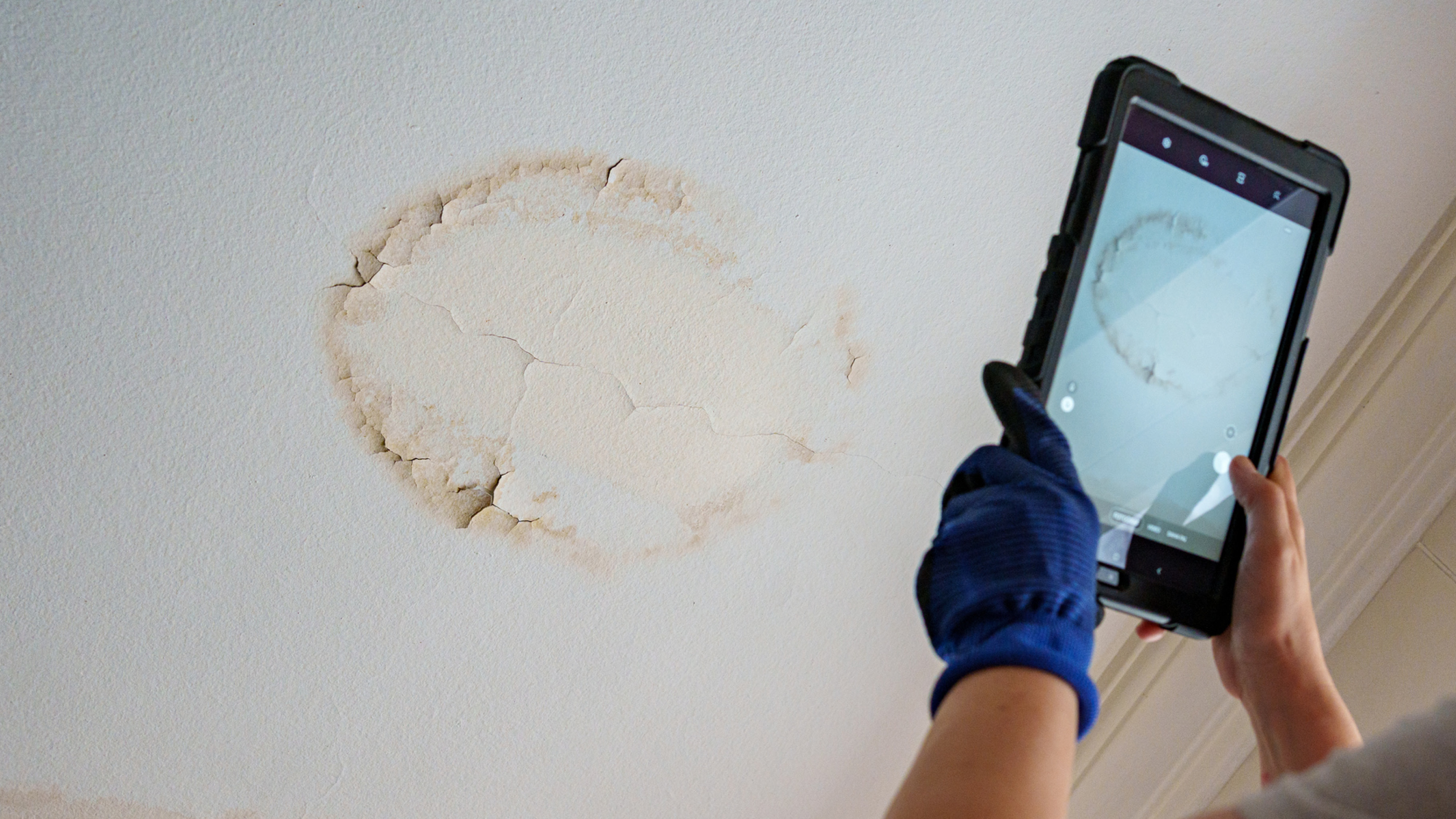
Peeling paint on an interior wall adjacent to an exterior surface, musty odor in a room on an exterior wall, or visible staining on interior drywall near a window or corner are all symptoms that originate outside. By the time moisture has moved through the sheathing, insulation, and vapor barrier to appear on an interior surface, the volume of water and the duration of intrusion are significant. If you are seeing interior symptoms, the siding inspection is urgent, not optional.
The Difference Between a Cosmetic Problem and a Structural One
A cosmetic siding problem is one that affects appearance but not performance: fading, minor surface scratching, chalking, or localized paint loss on intact panels. A structural problem is one that has compromised the wall assembly: sheathing deterioration, framing moisture damage, house wrap failure, or active water infiltration into the wall cavity.
The distinction matters because cosmetic issues can often be addressed with targeted repairs or selective panel replacement, while structural issues require a more comprehensive assessment of what is behind the siding before any new siding installation begins. Installing new siding over compromised sheathing or deteriorated framing is one of the most common mistakes made in residential siding replacement, and it transfers the existing problem to the next siding installation cycle.
Getting a siding estimate before understanding what is behind the existing siding is premature. The estimate needs to account for what the removal of the old siding reveals, and that requires a contractor who assesses the full system rather than just the surface.
When Residential Siding Replacement Is the Right Answer
Residential siding replacement is the right answer when the siding system as a whole has failed to protect the wall assembly, when more than a localized section shows signs of moisture intrusion, when the siding material has exceeded its expected service life, or when substrate damage is extensive enough that repair would cost more than a new siding installation with correct substrate preparation.
It is not the right answer for every situation. A home with one failing panel around a penetration that was never properly sealed may need a targeted repair and a recaulking of the surrounding area, not a full residential siding replacement. Siding companies near me searches tend to surface contractors who recommend replacement regardless of actual condition. The diagnostic process should determine the scope, not the other way around.
The strongest case for full residential siding replacement is when the existing siding has reached the end of its designed service life, when multiple locations show signs of systemic failure rather than isolated problems, or when the homeowner is planning to be in the home for the next 15 to 20 years and wants the performance and warranty of a new siding installation rather than the continued maintenance burden of an aging system.
What a Ridge Top Siding Inspection Covers
A Ridge Top siding inspection evaluates more than the outer surface. Our process assesses the condition of all penetration sealants, the clearance at grade, the integrity of trim and corner board connections, the condition of any visible house wrap at edges and penetrations, and the presence of any soft spots, staining, or paint failure that indicates subsurface moisture activity.
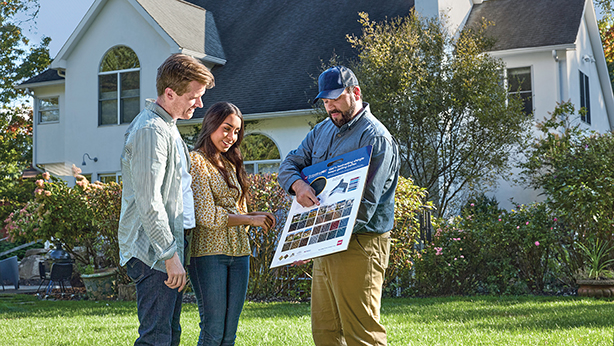
Where conditions warrant, we document findings with photography and provide a written assessment that distinguishes between cosmetic conditions, repairable localized failures, and systemic problems that require residential siding replacement. That documentation gives you the information to make a confident decision before committing to any scope of work.
Our siding installers serve Wisconsin, Illinois, and Florida markets. Read verified homeowner reviews from completed residential siding replacement projects, or learn more about our process to understand how we approach every project from inspection through installation.
Use our instant quote tool to get a siding estimate in minutes, or schedule a free on-site inspection with one of our siding companies near me. We will give you a complete picture of what your siding is actually doing, not just what it looks like from the street.