When most homeowners think about replacing a roof, they think about shingles. Color, style, brand. What they rarely think about is the layer that goes on before any shingle is installed. That layer is called underlayment, and it is one of the most important parts of any residential roofing system. It is also one of the easiest things for a cost-cutting contractor to quietly downgrade.
This post breaks down what underlayment is, why it matters, and what the three types actually do. According to GAF, underlayment acts as a secondary moisture barrier between the roof deck and the shingles, its job being to stop wind-driven rain from reaching your home when the outer layer gets damaged or lifted.
What Underlayment Actually Is
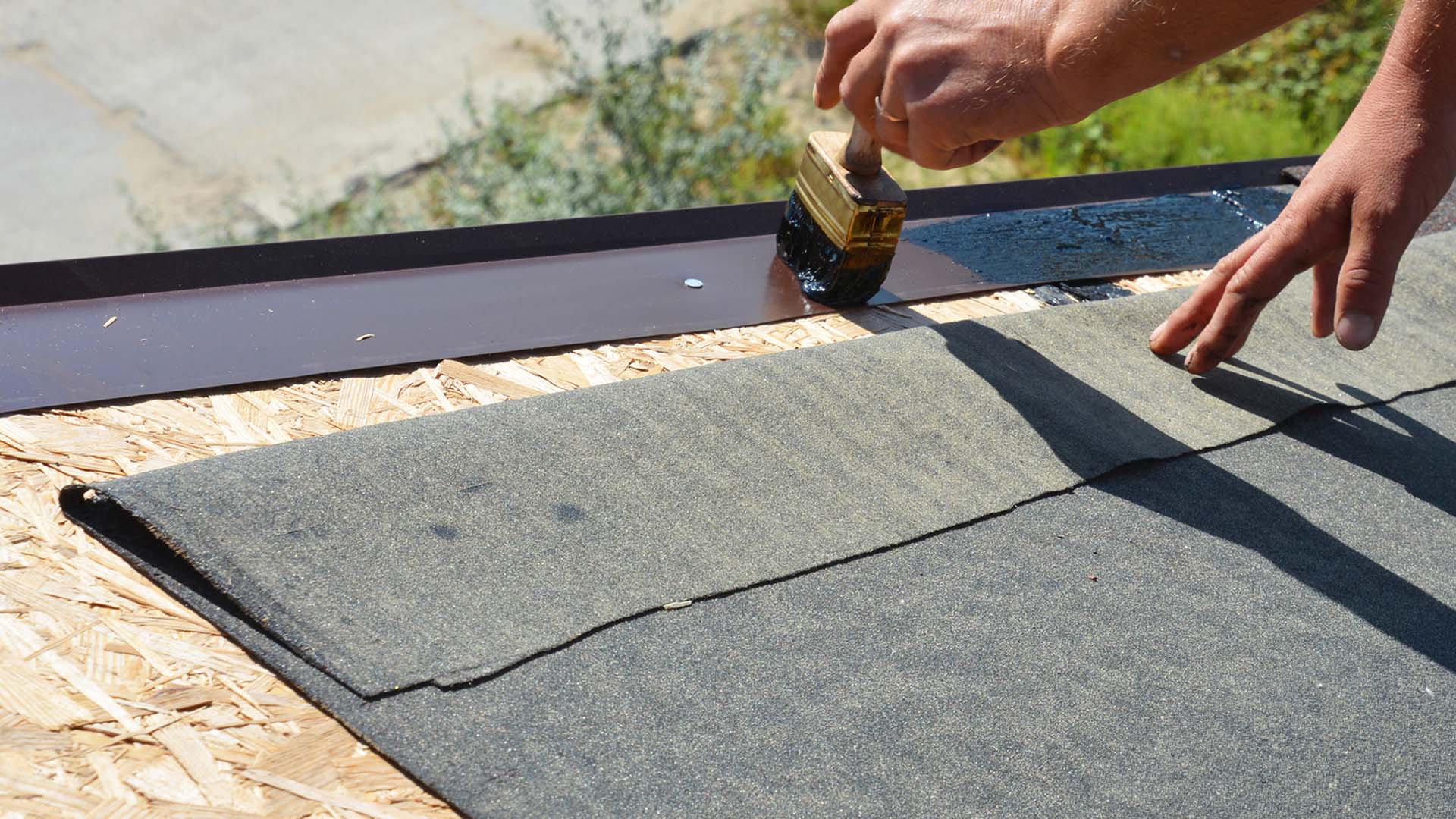
Think of your roof as having three main layers. At the bottom is the wood deck, the structural base everything else sits on. At the top are the shingles everyone can see from the street. In between those two layers is the underlayment, a water-resistant sheet rolled out over the deck before a single shingle goes down.
Its job is to protect the deck when shingles alone are not enough, and that happens more often than you'd expect. Wind can lift shingles at the edges. Ice can push water backward up the slope and under shingles near the eaves. Hail can crack a shingle and leave a gap. In all of those situations, the underlayment is what stands between the water and your home's structure.
Almost every roof in the country has underlayment. What varies is the type, the coverage, and whether it actually meets the requirements for your climate. Once the shingles are on, none of this is visible, which is exactly why it's the kind of thing a contractor can skimp on without you ever knowing.
The Three Types and Where Each One Goes
Modern roofing uses three types of underlayment, and each one has a specific role. A quality installation includes all three.
- Felt underlayment. The old standby, sometimes called tar paper. It's made from a mat soaked in asphalt and has been used in roofing for decades. It provides basic water resistance but it's not waterproof, and it can absorb moisture, wrinkle, and tear during installation if the weather turns on you. It comes in 15-pound and 30-pound weights. The heavier version holds up better, but felt is still considered the low end of the market today.
- Synthetic underlayment. The modern upgrade. Made from a plastic-based material, it doesn't absorb water, doesn't wrinkle, and is significantly harder to tear. It lays flat, gives the crew better footing during installation, and creates a more consistent surface for the shingles above it. This is now the standard on quality roofing jobs.
- Ice-and-water shield. The heavy-duty option for the spots most likely to leak. It has a peel-and-stick adhesive backing that bonds directly to the deck and seals around every nail hole, making it fully waterproof rather than just water-resistant. It doesn't go across the whole roof. It goes at the eaves along the bottom edge, in the valleys where two slopes meet, and around every penetration like vents, chimneys, and skylights.
If an estimate doesn't specify which type of underlayment is being used and where, that's your cue to ask. A contractor who can't answer that clearly isn't someone who has thought carefully about what they're building.
Why Underlayment Exists Even Though You Have Shingles
Here's a misconception worth clearing up: shingles don't waterproof a roof. They shed water. The overlapping pattern directs rain down the slope and into the gutters, which works great under normal conditions. But shingles don't create a sealed barrier from edge to edge, and they were never designed to.
Wind-driven rain can work its way under shingles at the edges. In cold climates, ice dams can back water up under shingles at the eaves and force it uphill. A cracked or missing shingle leaves a gap. When any of those things happen, the water that gets past the shingles lands on the underlayment. If it's good, the water runs off. If it's not, the water hits the wood deck and the damage begins.
Underlayment also matters during the roof replacement process itself. Most jobs span more than one day, which means part of the deck is exposed overnight or during weather delays. A crew that installs underlayment as they go protects the deck between phases. Without it, one unexpected rainstorm can soak the wood before the shingles ever go on.
What Building Codes Require in Wisconsin, Illinois, and Florida
Every state sets minimum underlayment requirements for roofing work. Most homeowners have no idea what those rules say, which makes it hard to tell whether the roofing companies near me they're comparing are actually hitting the standard or falling short of it.
In Wisconsin and northern Illinois, the International Residential Code requires at least one layer of synthetic underlayment or 15-pound felt across the full deck for roofs with a slope of 4:12 or above. It also requires a self-sealing ice-and-water shield at the eaves that extends at least 24 inches past the interior wall line. That rule exists specifically because of ice dams. When heat escapes through the roof, it melts snow near the peak. That meltwater runs down and refreezes at the cold eave edge, and the buildup eventually forces water back up under the shingles. Without a sealed barrier right there, that water goes straight into the home.
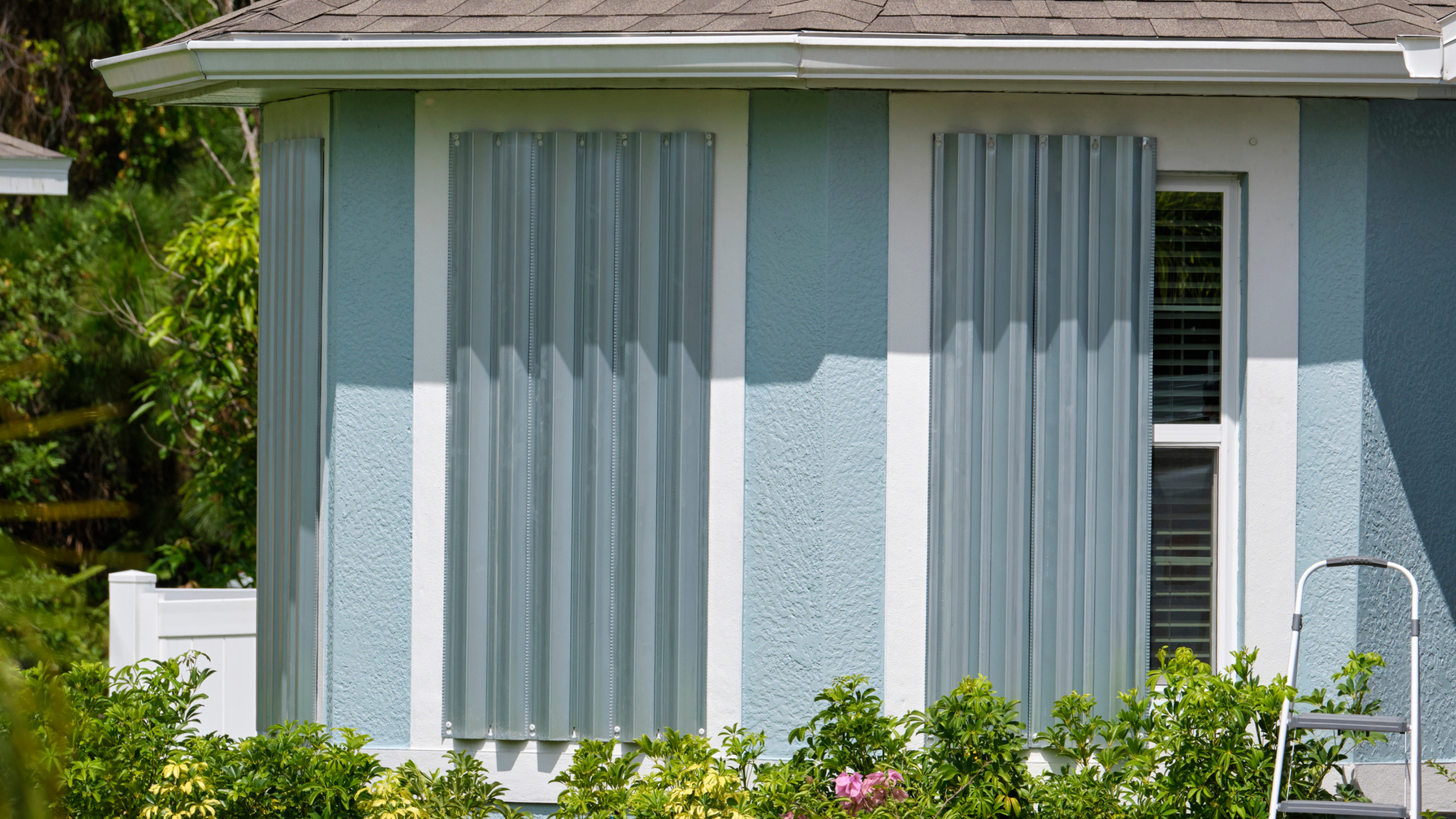
Florida plays by a different set of rules because it's dealing with a different threat. In high-velocity hurricane zones around Tampa and Clearwater, the Florida Building Code requires enhanced underlayment and, in many cases, a secondary water barrier on top of the primary underlayment. When a hurricane is driving rain sideways at 100 miles per hour, shingles alone aren't built to stop it. That's what the extra layer is for.
Meeting code is the floor, not the ceiling. Ridge Top installs above code on every job.
Felt vs. Synthetic: Why the Upgrade Matters
The move from felt to synthetic underlayment has become one of the most consistent quality upgrades in residential roofing over the last 20 years. GAF points out that synthetic products resist tearing, don't absorb moisture, and hold up through the installation process in ways felt simply can't match.
The difference shows up fast. When felt gets wet during installation, it absorbs the moisture and starts to wrinkle and buckle. Those bumps telegraph right through the shingles on top of them, and suddenly a new roof has visible waves across the surface. Beyond the cosmetics, buckled felt means the shingles above it aren't seating flat, which affects how well they perform and how long they last.
Synthetic stays flat. It doesn't wrinkle whether it gets rained on or not. It's harder to tear when a crew is walking across it, and it holds up through the full installation window. The cost difference between felt and synthetic is a small fraction of what a full roof replacement costs. Any contractor who still defaults to felt on a quality job is a contractor worth pushing back on.
What Happens When Underlayment Is Skipped or Downgraded
The frustrating thing about poor underlayment is that you won't know about it right away. The finished roof looks the same whether the underlayment was done right or not. The problem shows up later, usually during the worst possible moment.
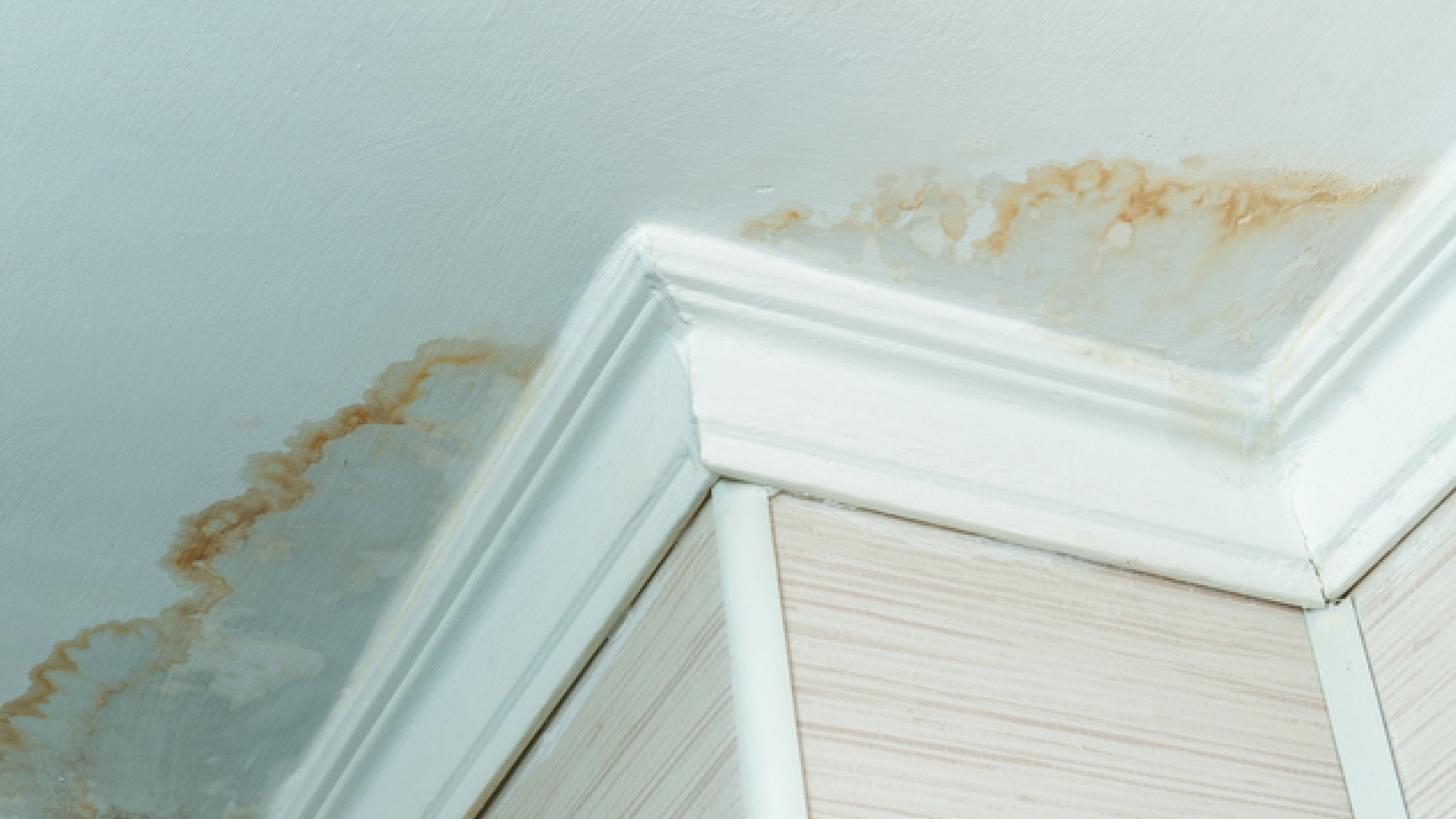
A shingle gets lifted in a windstorm. A pipe boot cracks around a vent. An ice dam forms and pushes water back at the eave. At that point, whatever the roofing contractor put under those shingles becomes the deciding factor. If it was done right, the roof handles it. If the underlayment was skipped or downgraded, the water gets through to the deck, and a roofing problem becomes a structural problem.
In Wisconsin, a roof without ice-and-water shield at the eaves will eventually leak during an ice dam event. Not might. Will. Ice dams are a regular feature of Midwest winters, and that eave section without a sealed barrier is just waiting for a cold enough season.
In Florida, a roof with minimum-weight felt may not meet Florida Building Code requirements for hurricane zones, and it may not qualify for the manufacturer's warranty either. When a storm causes damage and a homeowner files a claim, that can become a very expensive problem to untangle.
You can't inspect underlayment after the shingles are on. That's exactly why the question needs to come before the job starts.
What to Look for in a Roofing Estimate
A well-written roof replacement estimate doesn't just say 'underlayment included.' It tells you the type of underlayment going across the main field of the roof, whether ice-and-water shield is included at the eaves and how far it extends, and whether the valleys and penetrations are covered. If you're looking at an estimate and that detail is missing, here are the questions to ask:
- What type of underlayment is going across the main field of the roof, and what's the product name?
- Is ice-and-water shield included at the eaves, and how far does it extend past the interior wall line?
- Are the valleys and all roof penetrations getting ice-and-water shield as well?
- Does the underlayment spec meet the requirements of the shingle manufacturer's warranty?
- Does it meet the local building code for your climate zone and roof pitch?
A contractor who knows their craft answers all of these without hesitating. If they need to look it up or get back to you, that tells you something important about how carefully they've thought through the system they're proposing to install on your home.
How Ridge Top Specifies and Installs Underlayment
Every residential roofing project Ridge Top completes, whether it's in Milwaukee, Appleton, Gurnee, or Tampa, gets the same underlayment spec: synthetic across the full field deck, ice-and-water shield at all eaves and valleys, and self-sealing leak barrier around every penetration. We don't offer felt as a budget option, and our roofing contractor crews are trained to install to manufacturer specifications on every job, not just the ones where someone is watching closely.
The National Roofing Contractors Association has solid independent resources on what a professional installation should include and what to look for in a roofing contract if you want a second opinion on the standards.
When you're comparing roofing companies near me, underlayment spec is one of the fastest ways to separate contractors who build complete systems from those who are focused on getting shingles on as quickly as possible. Our roofing service page covers everything we install across our service area, and our process page walks through how we manage a project from the first estimate to the final walkthrough.
If you're ready to get a real number, our instant quote tool takes just a few minutes. Or head over to our reviews page to see what homeowners across Wisconsin, Illinois, and Florida say about how we actually run a job.
What's under your shingles is what your roof performs on for the next 25 years. One question before the job starts is all it takes to know whether a contractor is getting it right.