A small roof repair is the right answer more often than the roofing industry admits. If the damage is isolated, your roof still has years of service life left, and the layers underneath the shingles are dry and solid, a targeted repair can restore your roof and cost a fraction of a replacement. The catch is the part most homeowners never see: whether the wood decking, the water-shedding underlayment, and the metal flashing around your chimney and vents are still doing their jobs. That single question decides whether your repair holds for a decade or fails by next spring.
Here is the honest framework we use in the attic and on the roof, so you can size up your own situation before you invite anyone onto your property.
What Counts as a Small Roof Repair?
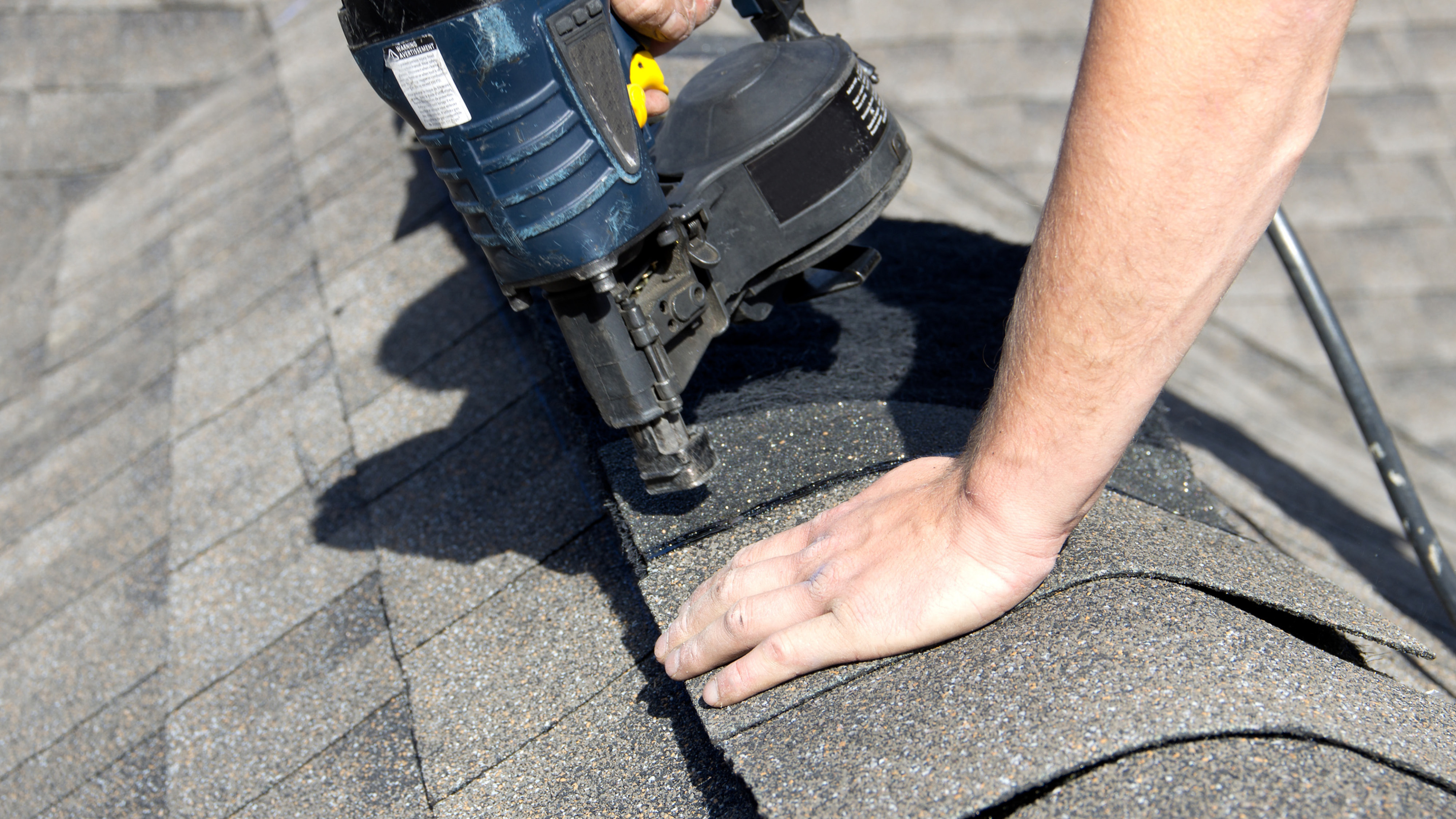
A small roof repair addresses damage confined to one area of the roof while the rest of the system stays intact. Think of a dozen shingles lifted by wind on one slope, a cracked rubber pipe boot (the collar that seals where a plumbing vent passes through the roof), a section of loose step flashing along a dormer wall, or a nail pop that opened a pinhole leak.
Three conditions have to be true for the repair to be a genuine fix rather than a delay tactic:
- The damage is isolated. One slope, one penetration, one valley. Not scattered failures across every elevation.
- The roof is relatively young. Shingles with meaningful service life left will accept a repair and blend reasonably well. A roof in its final years will not.
- The layers below are sound. The plywood or OSB decking is firm, the underlayment is continuous, and the flashing can be properly reintegrated rather than smeared with sealant.
When those three boxes are checked, we say so plainly and perform the repair, even though a replacement would be the larger sale. When they are not, you deserve to know that in writing before you spend a dollar. The National Roofing Contractors Association frames a roof the same way we do, as an assembly of layers that only performs when every layer is intact. That is the thinking behind our complete roofing system approach, whether the job is one pipe boot or an entire roof.
Why Small Roof Repairs Usually Start Below the Shingles
Most small roof problems are not shingle problems. In our field experience, the majority of mystery leaks trace back to flashing, roof penetrations, valleys, or ventilation, not the wide-open field of shingles in the middle of a slope. Those are exactly the components budget contractors routinely reuse, skip, or cover with caulk.
A few plain-language definitions, because these terms decide your outcome:
- Flashing: the metal that bridges the roof to a wall, chimney, or skylight. Water follows these seams first, every time. Manufacturers publish exact installation requirements for these details, and GAF and Owens Corning both make their specifications public so you can verify what a proper repair looks like.
- Pipe boot: the rubber or lead seal around a vent pipe. Rubber hardens and splits with sun exposure long before the shingles wear out.
- Valley: the channel where two roof planes meet. It carries the highest water volume on your roof, so small mistakes there cause big stains inside.
- Ventilation: the intake at the eaves and exhaust at the ridge that keeps your attic dry. Poor airflow cooks shingles from underneath and condenses moisture on the decking, which mimics a leak. The Asphalt Roofing Manufacturers Association publishes helpful bulletins on how balanced ventilation affects shingle performance and life span.
This is why a cheap patch reappears within a season or two. Someone sealed the stain instead of correcting the water path. When a repair is done with the underlayment properly woven in, the fasteners placed correctly, and the ventilation corrected, it tends to hold for the remaining life of the roof. Research from the Insurance Institute for Business and Home Safety on sealed roof decks makes the same point from a storm-performance angle: what happens under the shingles determines whether water gets into your house.
Water does not care how small your invoice was. It only follows gravity and the path of least resistance.
Five Signs a Small Repair Is Hiding a Bigger Problem
A roof leak repair can be an honest fix or an expensive stall, and these five signals tell you which one you are looking at:
- The same ceiling stain keeps returning. A stain that reappears in the identical spot after a previous repair usually means the original water path was never found.
- Heavy granule loss. If your gutters hold piles of sand-like granules and shingles look bald or shiny, the shingles are near the end of their service life and will not accept a lasting repair.
- Soft or spongy decking. Any give underfoot, or a sag visible from the street, means water has already reached the wood. That is structural, not cosmetic.
- Moisture or mold in the attic. Damp insulation, dark staining on rafters, or rusty nail tips point to a ventilation failure affecting the entire roof, not one spot.
- Repairs that fail within a season or two. One short-lived repair is bad luck. Two is a pattern, and the pattern is usually systemic.
If you want to know what a thorough evaluation should cover, the home inspection standards published by InterNACHI are a useful benchmark for both the roof surface and the attic beneath it. Any one of these signs shifts the repair vs replace roof conversation. Two or more, and a documented roof inspection should come before any patch work. Sometimes the evidence points clearly toward when full replacement is the better investment, and we will show you the photos that prove it rather than asking you to take our word for it.
What a Small Roof Repair Costs and What Changes the Price
Most small roof repair jobs land somewhere between a few hundred and roughly two thousand dollars, and you deserve real ranges instead of 'call for pricing.' Typical small roof repair cost patterns look like this: replacing a failed pipe boot and resealing the surrounding shingles usually sits at the low end; replacing a limited number of wind-damaged shingles sits slightly above that; rebuilding step flashing along a wall or reworking a valley sits higher because it requires opening and properly reweaving the surrounding courses.
What moves the number up or down:
- Access and pitch. Steep or multi-story slopes require more safety setup and time.
- Decking condition. If sheathing has to be replaced, material and labor are added.
- Component count. One penetration is quick. Three penetrations plus a valley is a different job.
- Material matching. Discontinued shingle colors may require sourcing or borrowing from a less visible slope.
- Emergency timing. Active interior leaks during a storm cycle cost more than scheduled work.
If wind or hail caused the damage, part of the cost may be covered by your policy, and the documentation matters as much as the damage itself. Our guide to what adjusters actually look for in a roof leak claim walks through the evidence that holds up and the evidence that gets denied.
On shingle matching: a repair on a weathered roof will rarely be invisible, because sun exposure changes color over time. A skilled crew can place new material where it is least visible and blend edges thoughtfully. And a properly performed repair does not void a manufacturer warranty. Improper work does, which is why we follow the manufacturer's published repair and fastening requirements on every job, no matter how small the invoice.
What to Ask Before You Authorize the Work
Evidence should drive the decision, not a sales conversation on your driveway. Ask these questions, and the quality of the answers will tell you most of what you need to know:
- May I see photos of the actual damage, including the flashing, boots, valleys, and decking?
- Did you enter the attic and check for moisture, and what did you find?
- What is the root cause of this leak, not just the location of the stain?
- Will this repair carry a written workmanship warranty, and for how long?
- Does my attic ventilation need correction as part of this repair?
- Can you show me local roofing projects where you performed similar work?
Red Flags in a Repair Quote
- A price quoted from the driveway with no ladder, no attic access, and no photos.
- Sealant or roof cement listed as the primary fix rather than a temporary measure.
- A lump-sum number with no description of which components are being replaced.
- Pressure to sign today, or a discount that expires before you can think.
- No written warranty on the repair itself, only on the shingle material.
You are allowed to take your time. Any contractor worth hiring will hand you documentation and let you decide on your own schedule.
Repair It Once, Repair It Right
Your roof is a system, not a surface, and a small roof repair done with that in mind protects the whole system for years. Homeowners who keep their roof honestly scoped and documented through a program like RoofCare+ tend to extend usable roof life, keep their manufacturer warranty standing intact, and clear resale inspections without last-minute concessions.
If you have a fresh stain or a few missing shingles, the next step is evidence, not a sales pitch. Read up on how we evaluate flashing, ventilation, and decking, or schedule a no-pressure inspection and we will walk you through the photos so you can make the call yourself.