Your adjuster is answering one question during a roof leak insurance claim: was this damage sudden and accidental, or the result of gradual wear? Everything they photograph, measure, and write down serves that single decision. Once you understand that, the appointment stops feeling like a test you might fail and starts feeling like a conversation you can prepare for.
Here is what an adjuster actually inspects on your roof, what they typically do not inspect, and how their notes turn into the dollar amount on your settlement.
Sudden Damage or Gradual Wear: The Decision That Drives Your Claim
Homeowners insurance covers sudden, accidental events. It does not cover aging materials or deferred maintenance. So an adjuster's job is to sort your roof into one of those two buckets.
That distinction explains most claim frustration. An adjuster is making a coverage determination, which is a decision about what the policy pays for. They are not performing a diagnosis of why water is entering your home. Those are two different jobs, and expecting one to deliver the other is where disappointment begins. The Insurance Information Institute publishes helpful background on how carriers categorize causes of loss, and wind and hail consistently rank among the most common.
Adjusters are professionals working inside a defined scope. Understanding that scope is the most useful preparation you can do.
What Happens During a Roof Insurance Adjuster Inspection
Most roof insurance adjuster inspections take 30 to 60 minutes on an average single-family home. The visit usually moves through three stages, and knowing the order helps you follow along without getting in the way.
The Exterior Walkthrough
The adjuster circles the house first, looking for corroborating evidence at ground level. Dented gutters, bruised downspouts, dinged window screens, damaged siding, split fence boards, and marks on air conditioner fins all help confirm a hail or wind event happened here.
They also note the direction of the damage. If the north and west elevations show impact and the south side is untouched, that pattern points to a storm rather than general aging. In Brookfield and across southeastern Wisconsin, that directional signature often follows the same spring hail corridor that sweeps through Waukesha County.
The Roof Surface Assessment
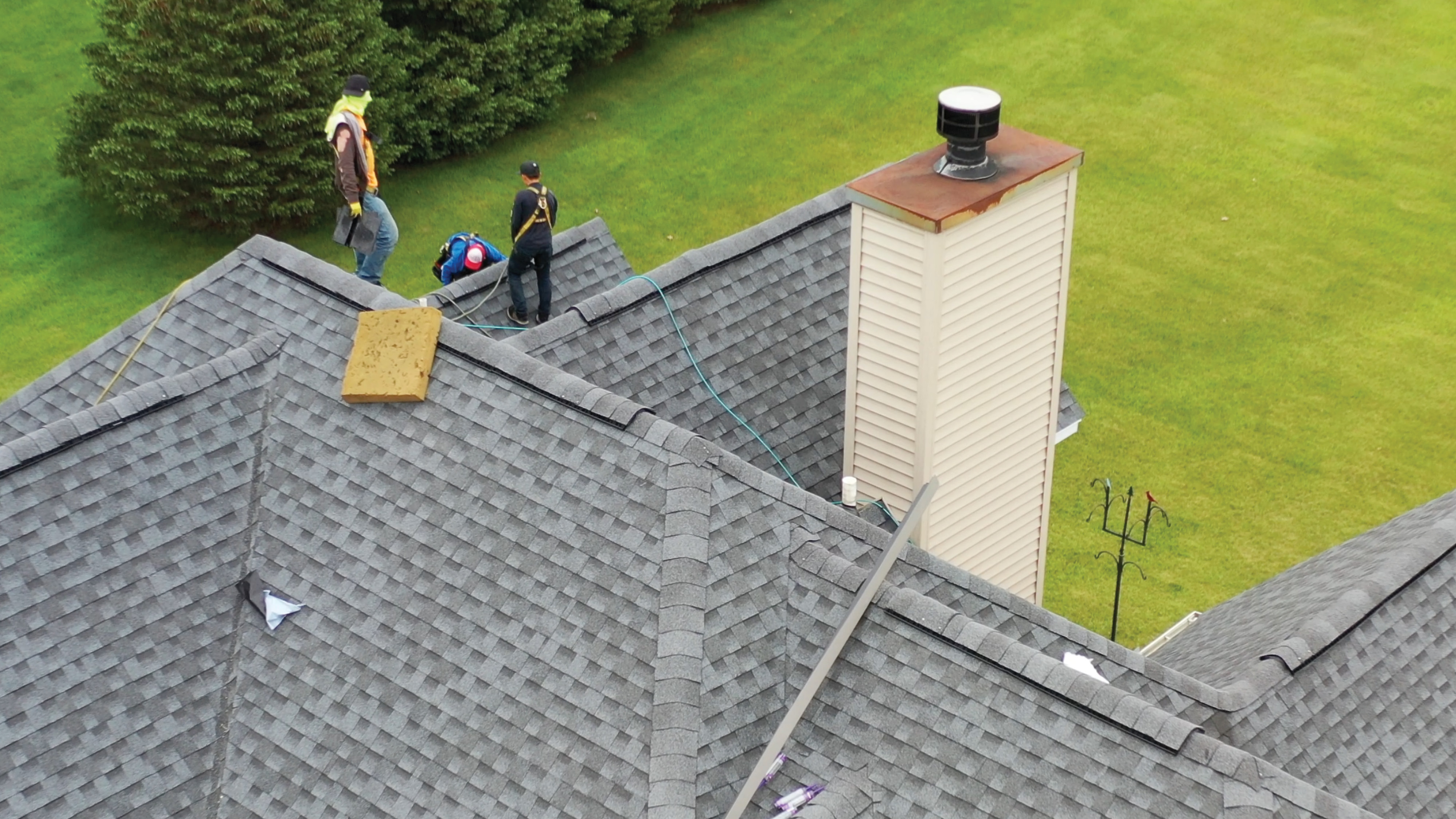
On the roof, adjusters commonly chalk out a test square, often a ten-by-ten-foot area, on each slope. They count qualifying damage marks inside that square and compare the total to their carrier's threshold for replacement versus repair.
They photograph each slope, measure the roof, note the number of layers, the pitch, the shingle type, and the approximate age. Increasingly, part of this step happens by drone or aerial measurement report rather than by ladder.
The Interior and Attic Check
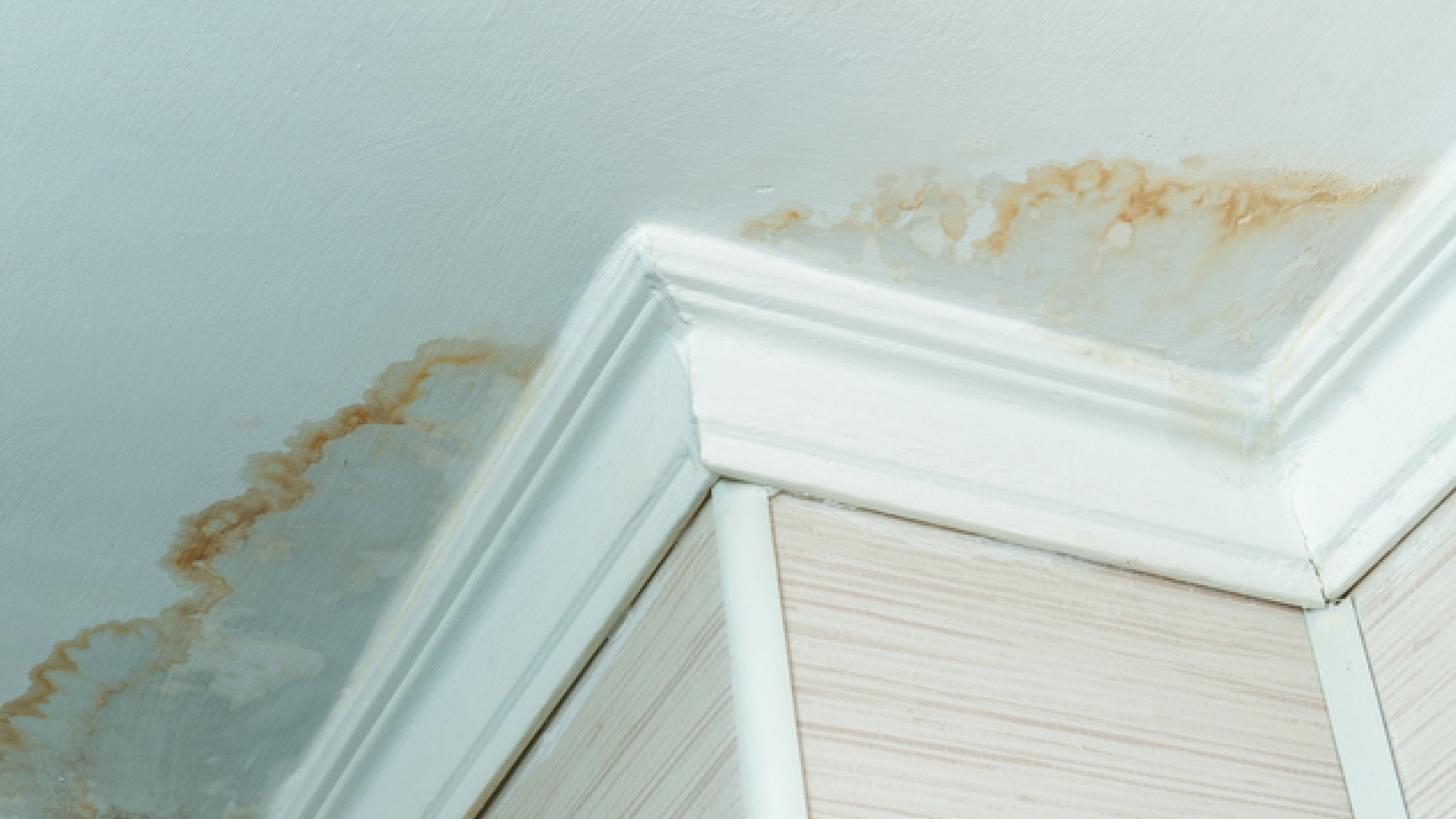
Inside, the adjuster photographs the ceiling stain, wall damage, or flooring affected by the leak. If the attic is accessible, they may look for daylight, wet insulation, or staining on the rafters.
They are also ruling out other causes. Condensation usually produces widespread frost or dampness across the underside of the roof deck, something we see often in tightly sealed Naperville homes during a cold snap. Plumbing leaks trace back to a pipe or vent. Ice damming shows up along the eaves in patterns familiar to any Northern Illinois homeowner after a January thaw. Each alternative changes how the claim is handled, so this part of the walkthrough matters more than it looks.
The Damage Evidence Adjusters Document
Adjusters are trained to recognize a specific set of physical signatures. Research from the Insurance Institute for Business and Home Safety on how roofing assemblies fail under hail and wind loading is worth a look if you want to understand the reasoning behind those signatures.
Hail Damage Indicators
Hail leaves bruising: a soft, dark spot where the impact fractured the fiberglass mat inside the shingle. An adjuster presses on it, the way you would check a bruised apple. Fresh impacts also knock granules loose, exposing the black asphalt underneath in random, scattered patterns.
Random distribution is key. Uniform granule loss across an entire slope usually reads as age. Scattered, circular strikes with shiny metal dents nearby read as hail. The Asphalt Roofing Manufacturers Association publishes technical bulletins on this exact distinction, and adjusters lean on the same criteria.
Wind Damage Indicators
Wind damage shows up as creased shingles, torn tabs, broken adhesive seals, and shingles lifted enough to break the bond that keeps water out. A creased shingle has a visible fold line where it bent backward and settled again.
Adjusters check whether the damage clusters along ridges, rakes, and edges where uplift pressure is highest. That edge-zone concentration is especially pronounced on Winter Park roofs after a summer squall line or a tropical system, where sustained uplift does more damage than any single gust. They also look for debris impact and missing shingles with clean, fresh break lines rather than weathered ones.
Age, Wear, and Maintenance Red Flags
Several conditions signal wear rather than a storm event. Adjusters document curling and cupping edges, brittle or cracked shingles, thermal splitting, uniform granule loss with matching bald areas, exposed nail heads, prior patch repairs, rusted or caulk-smeared flashing, and organic growth. Central Florida roofs pick up algae streaking quickly in the humidity, and that alone can pull an inspection toward the maintenance column.
None of these mean bad faith. They simply move the roof toward the maintenance bucket, and that is often the difference between a paid claim and a roof leak insurance claim denied for wear and tear. Documented upkeep is the best defense against that outcome, which is one reason we built our Roofcare+ maintenance program around scheduled inspections and a dated record of your roof's condition over time.
How Adjusters Verify Your Date of Loss
Before physical damage matters, the adjuster needs a verifiable date of loss. Policies cover events, and an event needs a date.
Carriers cross-reference your reported date against weather data for your specific address, including hail size, wind speeds, and storm tracks. You can search the same public record yourself through the NOAA Storm Events Database and see what was reported in your county on a given day. If no qualifying storm shows up near your date, the claim can be closed before anyone evaluates the shingles.
This is why timing matters more than most homeowners expect. If you can connect your leak to a storm you remember, write down the date, note what you saw, and keep any photos you took that week.
What Adjusters Often Do Not Inspect on a Roof Leak Insurance Claim
This is the gap that causes repeat leaks. A surface inspection answers the coverage question well, but it rarely touches the concealed parts of the roof where water actually gets in.
Underlayment and Ice Barrier
Underlayment is the water-resistant layer between your shingles and the wood deck. It is your second line of defense, and it cannot be evaluated without lifting shingles. Ice barrier membrane along the eaves is equally hidden, and in Wisconsin and Northern Illinois it does the hardest work of any component on the roof. Both can be brittle, wrinkled, or torn under an otherwise presentable surface.
Flashing, Valleys, and Penetrations
Flashing is the metal that seals transitions: chimneys, sidewalls, skylights, vents, and valleys. In our experience, these transitions are where most roof leaks begin, not the open field of shingles. It is also why our roofing work treats these components as part of one connected system rather than accessories to the shingles.
Step flashing behind siding, valley metal buried under shingles, and pipe boot seals all require close, hands-on inspection. A test square in the middle of a slope will never reveal a failed chimney counterflashing.
Decking Moisture and Ventilation
Decking is the wood sheathing under everything. Saturated or delaminated decking is usually discovered only when shingles come off. Ventilation performance, meaning the balance of intake at the soffits and exhaust at the ridge, is almost never measured during a claim inspection.
Poor ventilation shortens shingle life in every climate we work in, whether that is trapped winter moisture in a Brookfield attic or superheated air over a Winter Park living room. It creates conditions that mimic a leak. It is a system problem, and systems are what claim inspections are least equipped to evaluate.
How the Inspection Becomes Your Settlement
Every photo and measurement becomes a line item. The adjuster's report turns into a scope of work in estimating software: squares of shingles, feet of ridge, valley metal, drip edge, pipe boots, underlayment, and labor.
If a component was not photographed, it usually does not appear in the scope. That is the practical consequence of a surface-level inspection.
Most policies then apply depreciation for age and condition, paying the depreciated amount first and releasing the remainder after the work is completed and documented. Your deductible comes off the total. Understanding this math ahead of time removes most of the sticker shock from that first settlement letter, and it makes comparing the carrier's scope against a contractor's estimate far easier. If you want to see how a transparent, itemized estimate should read, we walk through that in detail in our guide to reading a roof replacement quote before you sign.
How to Prepare Before the Adjuster Arrives
Yes, you should be present. You do not need to climb the roof or argue about thresholds. You need to make the facts easy to find.
- Your policy declarations page, deductible amount, and claim number
- The date of loss and a short written note of what you observed
- Dated photos of interior stains, fallen granules, or debris from that week
- Any receipts for prior roof repairs, maintenance, or the original installation
- A written inspection report from a licensed roofing contractor, dated before the visit
- Clear access to the attic, plus a path for a ladder to the roof
- A list of every leak location inside the home, room by room
You are also allowed to have your roofing contractor present. A good one walks the roof with the adjuster, points out flashing and valley conditions, and shares documentation. That is a factual conversation between two professionals, and it usually produces a scope that matches the roof.
During the walkthrough, ask which slopes were inspected, whether flashing and penetrations were evaluated, how many test squares were performed, and when you can expect a copy of the report and photos.
If the Adjuster Missed Something
Missed damage is common and correctable. Carriers have a process for it, and using that process politely works better than escalating.
Request the full report and photo set, then compare it against your own documentation. If a component is absent, your contractor can submit a supplement, which is a request to add scope with supporting photos and measurements. You can also request a reinspection or ask for a second adjuster. The National Association of Insurance Commissioners maintains consumer guidance on these rights, and your state insurance department can walk you through the local process.
Accurate documentation is the only real leverage here, and it is usually enough. No honest contractor should ever create damage, coach you to exaggerate a claim, or ask for your signature before inspecting your roof.
Get an Inspection That Answers the Right Question
A roof leak insurance claim asks whether a covered event happened. A roof inspection asks where the water is getting in and what will stop it. You deserve both answers, and only one of them arrives with the adjuster.
We treat a roof as one connected system: flashing, underlayment, valleys, drip edge, decking, and ventilation working together. When homeowners hold a dated, component-level report before the adjuster arrives, the approved scope tends to match the actual condition of the roof, and later supplements move with far less friction. When they do not, saturated decking and failed underlayment often surface mid-repair, after the claim has closed.
As inspections shift further toward drones and remote desk review, that independent record only becomes more valuable.
If you have an appointment coming up, consider a documented pre-adjuster roof inspection. We walk the full assembly, photograph what we find, and hand you a written report you own and can share with your carrier or any contractor you choose. No signature required, no pressure, and no promises about what your carrier will decide. When you are ready, reach out to our team and we will get you an honest picture of your roof before the conversation starts.

.jpg)