Winter is hard on homes. By the time spring arrives, your roof, gutters, siding, and windows have all absorbed months of freeze-thaw cycles, ice, wind, and moisture. Some of that stress leaves visible damage. A lot of it does not show up on the surface at all.
The window between winter's end and the first heavy spring rains is the best time of year to get ahead of problems before they become expensive repairs. Here is what to look for on each system and what to do about what you find.
Why Spring Is the Most Important Season for Your Exterior
Spring home exterior maintenance matters more than any other season for one simple reason: winter creates damage that spring weather finds. A shingle lifted by ice in February becomes a leak in April. A gutter pulled slightly away from the fascia in January becomes a foundation drainage problem in March. A crack in siding that admitted moisture all winter becomes rot by summer.
Acting in spring means catching those problems in their early stages, when a repair is straightforward and inexpensive. Waiting means discovering them after the damage has progressed. Most of the homeowners we see with significant exterior repair bills in summer could have addressed the same issue for a fraction of the cost three months earlier.
One more reason to act promptly: according to the Insurance Information Institute, standard homeowners policies cover winter storm damage to roofs, siding, and structures caused by wind, ice, and heavy snow. But coverage typically applies to sudden damage, not gradual deterioration from neglect. Documenting and addressing winter damage in spring keeps your options open if a claim becomes necessary.
Start With the Roof
A spring roof inspection is the single most important item on your seasonal checklist. Your roof is your home's first line of defense, and it took the full force of whatever winter delivered.
From the ground, look for these warning signs:
Shingles that are visibly curling, buckling, or missing entirely. Any shingles that lifted during ice or wind events may have lost their adhesive bond even if they appear to still be in place.
Granule loss. If your gutters are full of sand-like material after winter, your shingles are shedding their protective layer. This is a sign of advanced aging that warrants a professional assessment.
Sagging anywhere along the roofline. Any visible dip or sag suggests structural concerns in the decking below the shingles.
Flashing condition around chimneys, skylights, and vents. Winter ice formation frequently lifts and displaces flashing, creating direct entry points for water. This is one of the most commonly missed issues in a ground-level inspection.
If you experienced ice dams this past winter, have the roof professionally inspected before the spring rains arrive. An ice dam forces water under shingles and into the roof deck, and that damage is invisible from the outside until it shows up as a ceiling stain weeks later.
Ridge Top's RoofCare+ program includes a 25-point professional inspection plus gutter blow-out and priority service, designed specifically for homeowners who want to stay ahead of problems rather than react to them. Not sure where to start? Schedule a free roof inspection and we will tell you exactly what winter left behind.
Move to the Gutters
Spring gutter cleaning should happen as soon as the last debris from winter has settled. Gutters clogged with leaves, seed pods, and shingle grit cannot channel spring rainfall away from your home properly, which means water goes somewhere it should not: behind the gutters, down the fascia, and toward the foundation.
Beyond cleaning, inspect the system for these issues:
Gutters pulling away from the fascia or sagging in the middle. Winter ice loading is one of the primary causes of gutter detachment. Once a section is pulling away, water runs behind it directly onto the fascia board.
Visible cracks, holes, or rust. Any section showing rust or cracking is no longer doing its job reliably and should be assessed for repair or replacement.
Downspout drainage distance. According to InterNACHI's residential inspection standards, downspouts should divert water at least four to six feet away from the home's foundation. Downspout extensions are inexpensive and one of the most effective ways to protect your foundation from spring runoff.
If your gutters are more than 20 years old or showing widespread issues, spring is the right time to evaluate whether repair or replacement makes more sense. A seamless aluminum system installed correctly will outlast a patched sectional system and requires significantly less maintenance over time.
Check Your Siding
Winter damage to siding is easy to overlook because it is often subtle. A visual inspection from a few feet away can miss what a closer look reveals. Walk the perimeter of your home and look for:,
Cracks, chips, or warping. Vinyl siding is particularly vulnerable to impact cracking in cold temperatures, and even small cracks admit moisture into the wall assembly behind the siding. Fiber cement and LP SmartSide hold up better in cold climates but should still be inspected for any sections that may have shifted or sustained impact damage.
Gaps at seams and around trim. Any separation at seam joints or around window and door trim creates a direct entry point for water and insects.
Fading, staining, or discoloration. Staining below a window or along the foundation line often indicates water is getting behind the siding somewhere above. Follow the stain upward to find the source.
Soft or spongy spots. Press gently against sections that look discolored or warped. Softness indicates moisture has already reached the substrate behind the siding and requires prompt attention before the damage progresses further.
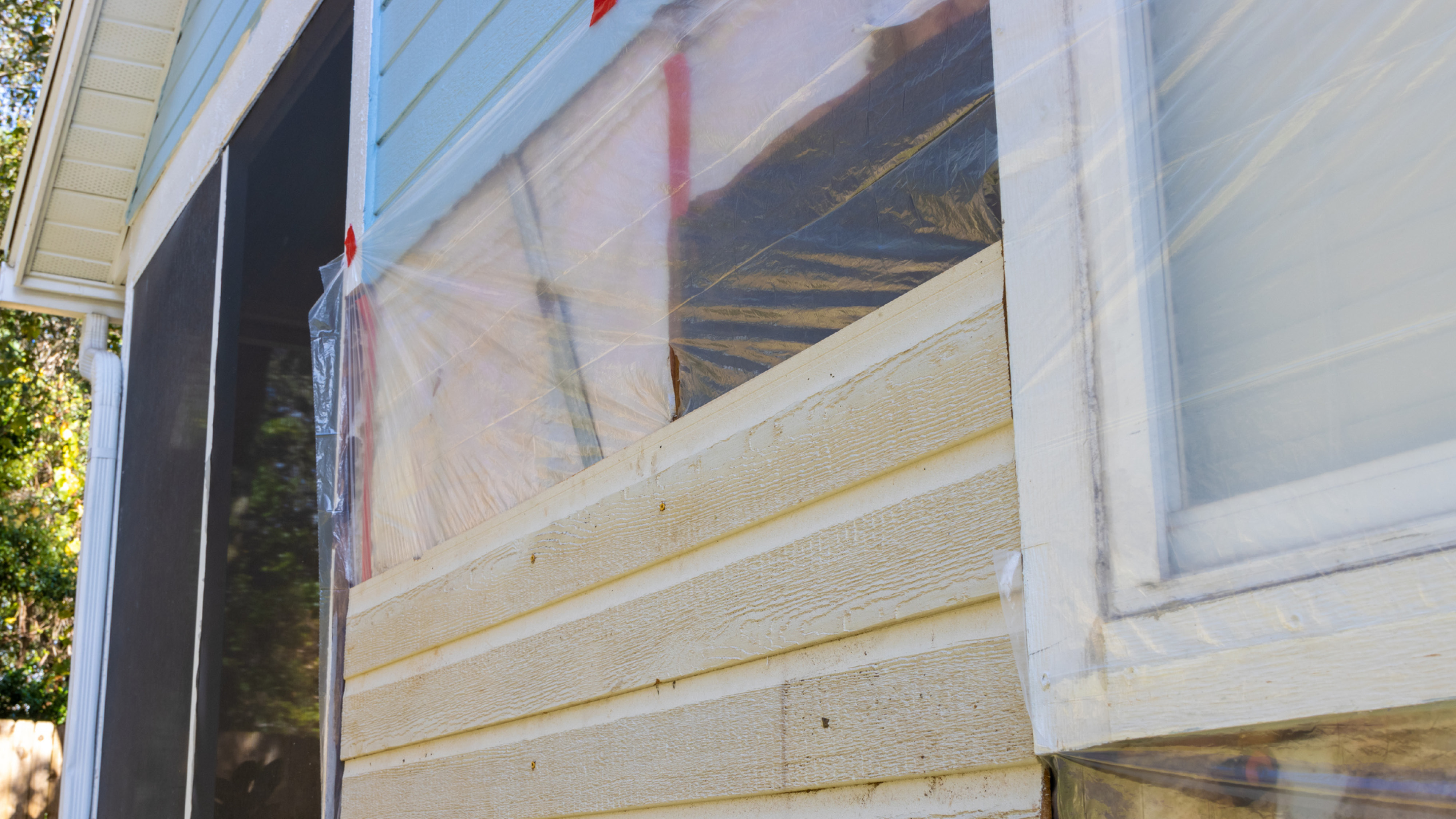
The U.S. Department of Energy notes that the best time to add continuous insulation and address air sealing on exterior walls is when siding is already being removed or replaced. If your spring inspection reveals siding that needs replacement, it is worth having that conversation while the wall is already accessible.
Don't Overlook the Windows
Spring window maintenance gets skipped more often than any other item on the seasonal checklist. Windows are one of the primary points where winter air infiltration and moisture intrusion occur, and the evidence is often sitting right in front of you.
Check each window for:
Condensation between panes. If you see fogging or moisture trapped between the glass layers of a double or triple-pane window, the seal has failed. A failed seal means the insulating gas between the panes has escaped, and the window is no longer performing at its rated efficiency.
Cracked or deteriorating caulk around the frame. Caulk shrinks and cracks through freeze-thaw cycles. Any gap between the window frame and the surrounding trim is an entry point for water and cold air.
Difficulty opening or closing. Windows that have swollen, shifted, or become difficult to operate after winter may have absorbed moisture or may be showing early signs of frame deterioration.
Drafts along the frame interior. Run your hand along the inside edge of the frame on a cool day. Any airflow indicates a seal failure that is costing you on your energy bill year-round.
Your Spring Home Exterior Checklist
Use this as your starting point for a complete exterior walkthrough. Any item you check warrants a closer look or a professional assessment.
Roof: Missing, curling, or buckled shingles. Granule loss in gutters. Sagging along the roofline. Displaced or lifted flashing. Any interior water stains that appeared over winter.
Gutters: Sections pulling away from the fascia. Visible cracks, rust, or holes. Sagging in the middle of a run. Downspouts discharging less than four to six feet from the foundation. Debris buildup from winter.
Siding: Cracks, chips, or warping in any panels. Gaps at seams or around trim. Staining or discoloration. Soft or spongy sections when pressed.
Windows: Condensation between panes. Cracked or missing caulk. Difficulty operating. Drafts along the interior frame edge.
When to Call a Professional
Most of the items on this checklist are things you can assess yourself from the ground or with a safe ladder. What you find will tell you whether the next step is a simple maintenance task, a repair, or a replacement conversation.
The items that always warrant a professional inspection rather than a DIY assessment: anything involving the roof surface or flashing, any sign of moisture intrusion into walls or ceilings, gutters that are pulling away from multiple sections of the home, and windows showing seal failure across more than one or two units. These are situations where the visible symptom is typically less extensive than the underlying condition.
It is also worth reviewing your homeowners insurance policy before filing any claim. The Insurance Information Institute notes that standard policies do not cover damage caused by lack of maintenance or neglect, only sudden and accidental damage. Documenting your spring inspection and any repairs made is one of the most practical steps you can take to protect your coverage.
Ridge Top Exteriors has been protecting homes across Wisconsin, Illinois, and Florida since 2002. We handle roofing, siding, gutters, and windows under one roof, which means a single inspection can cover your entire exterior and give you a complete picture of where your home stands heading into the season.
If you already know what you need, our instant quote tool gives you a real price estimate in minutes.
Schedule your free estimate at ridgetopexteriors.com/contact or call the Ridge Top location nearest you.