Most homeowners look at their roof the same way: from the ground, maybe after a storm, looking for anything obviously wrong. A missing shingle here, some debris in the gutter there. If it looks roughly intact, it probably is. Right?
Not necessarily. A professional roof inspection covers seven distinct areas of your roofing system, most of which are invisible from the ground and several of which are inside your home entirely. Understanding what a roofer checks and why helps you have a more informed conversation about your roof's condition and makes it significantly harder for a problem to hide until it becomes expensive.
Why a Ground-Level Look Is Never Enough
What you can see from the driveway is maybe a fraction of what actually determines your roof's condition. The National Roof Certification and Inspection Association notes that many serious issues, including granule loss, damaged flashing, and poor ventilation, do not cause immediate leaks but can lead to premature roof failure if left undetected. A ground-level view cannot reveal the condition of the roof deck beneath the shingles, what is happening in the attic, or whether the flashing around your chimney has separated enough to admit water on the next heavy rain.
This is what a professional roof inspection is for. It is not a formality before a sales pitch. It is a systematic, documented evaluation of every component of your roofing system so you know exactly where things stand.
The 7 Things a Professional Roofer Checks
1. Shingle Condition
Shingles are the most visible part of your roof and the first line of defense against water intrusion. A professional inspection goes beyond looking for missing shingles. A roofer examines each section for curling or buckling, which indicates the shingles are losing their bond or approaching end of life. They look for blistering, cracking, and granule loss, one of the most reliable signs of roof damage on an aging asphalt system. Granules protect the asphalt mat beneath from UV degradation. When they go, the shingle's useful lifespan accelerates toward its end.
Granule loss is also one of the clearest indicators of when to get a roof inspection if you have not had one recently. Check your gutters after a significant rain. A small amount of granules is normal. A significant accumulation suggests shingles that are shedding their protective layer at a rate worth professional assessment.
2. Flashing at Every Transition Point
Flashing is the thin metal material that seals every point where your roof meets a vertical surface: chimneys, dormers, skylights, plumbing vents, and roof valleys. It is also responsible for more roof leaks than shingles. Most homeowners who discover a leak assume a shingle failed. More often than not, the entry point is a flashing transition that has lifted, rusted, lost its sealant, or separated from the surface it was sealing.
A professional roofer inspects every flashing transition on the roof, checking for rust, gaps, separation, missing caulk, and any sections that have lifted due to ice, wind, or thermal expansion. This is one of the areas where a professional inspection adds the most value because it requires close proximity to assess accurately.
3. The Roof Deck
Beneath the shingles is the roof deck, typically plywood or oriented strand board, which provides the structural base for everything above it. Deck damage is not visible from outside the home under normal conditions, but a roofer can identify signs of it through soft spots, visible sagging along the roofline, and interior attic inspection.
Water that has penetrated through failed shingles or flashing saturates the deck over time. Saturated decking swells, warps, and eventually rots, compromising the structural integrity of the entire roof assembly. By the time deck damage is obvious from outside, it has usually progressed significantly. This is one of the strongest arguments for a professional roof inspection as a proactive measure rather than a reactive one.
4. Gutters and Downspouts
A roof inspection does not stop at the shingle line. Gutters and downspouts are part of the roofing system because they manage every drop of water that leaves your roof surface. According to InterNACHI's Home Inspection Standards of Practice, gutters should be free of rust, cracks, and holes, and downspouts should divert water four to six feet away from the home's foundation. When they fail at either task, the consequences show up in your foundation, your fascia, and eventually your siding.
A roofer inspects gutters for proper slope toward the downspout, secure attachment to the fascia, and debris buildup that indicates chronic drainage issues. They also look inside the gutters for accumulated shingle granules, which as noted above is one of the clearest signs of roof damage developing on the surface above.
5. Attic Ventilation and Insulation
This is the inspection item that surprises most homeowners because it requires going inside. A properly ventilated attic keeps the roof deck temperature consistent, which prevents the freeze-thaw cycling that accelerates shingle aging in cold climates and reduces heat buildup that shortens shingle life in hot ones. It also prevents the moisture accumulation that leads to mold and wood rot in the attic structure.
A roofer checks that ridge vents, soffit vents, and any box vents are clear and functioning, and that insulation is not blocking airflow at the eaves. They look for signs of moisture on the underside of the roof deck, dark staining on the rafters, and any daylight visible through the decking. In Wisconsin and Illinois winters especially, inadequate attic ventilation is one of the primary contributors to ice dam formation and the interior damage that follows.
6. Soffit and Fascia
The soffit is the underside of the roof overhang. The fascia is the vertical board that runs along the roofline and to which the gutters attach. Both are frequently overlooked by homeowners and frequently damaged by water that has escaped through clogged or failing gutters.
A roofer inspects the fascia for soft or spongy areas that indicate rot has set in beneath the surface, and the soffit for peeling paint, staining, or deterioration that points to moisture intrusion from above or from the gutter system. Fascia rot in particular can compromise the structural attachment of the gutters, which creates a cascade of further damage if left unaddressed.
7. Penetrations: Chimneys, Vents, and Skylights
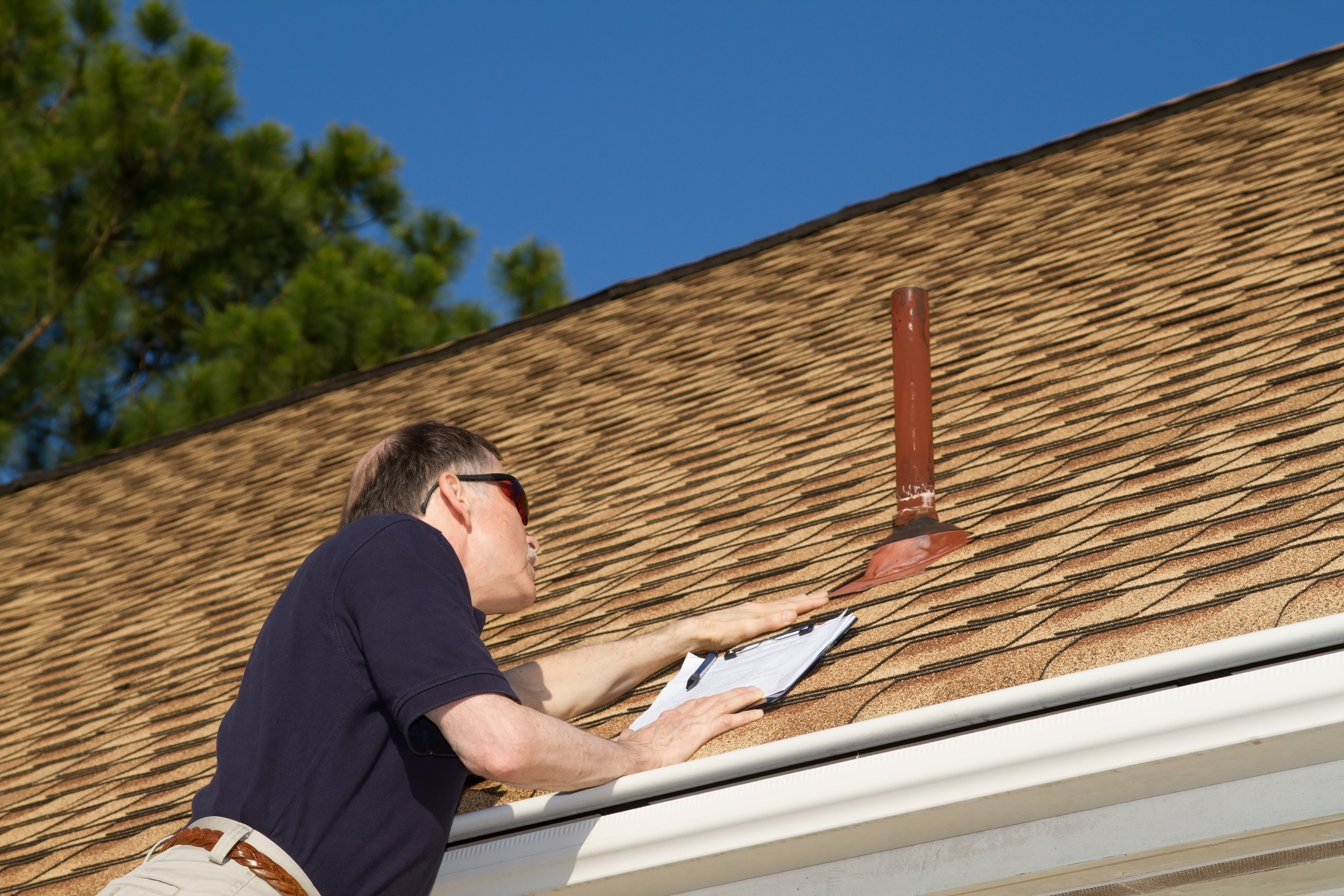
Every penetration through your roof is a potential entry point for water. Chimneys, plumbing vents, exhaust fans, and skylights all require sealing systems that degrade over time. A roofer inspects the masonry around chimneys for cracks and crumbling mortar, the rubber boots around plumbing vents for cracking and dry rot, and the seals around skylight frames for any separation or failed caulk.
These penetrations are often the last thing homeowners think to check and the first place water finds its way in after a significant storm. Documenting their condition during a routine inspection is one of the most practical steps you can take toward long-term roof health.
What Happens After the Inspection
A thorough professional roof inspection concludes with a documented report of everything found, with photographs of any areas of concern and a clear explanation of what each finding means. At Ridge Top, we walk you through the results before recommending anything. If your roof is in solid shape, we tell you that. If there are items that warrant attention, we explain the priority and the options.
This documentation also matters if you ever need to file an insurance claim for storm damage. A pre-existing inspection report that establishes your roof's baseline condition is one of the most useful things you can have when working through that process.
For a deeper look at ongoing roof maintenance beyond a single inspection, our guide covers everything you need to know to keep your roof performing year after year.
How Often Should You Get a Roof Inspection?
The NRCIA recommends that homeowners have their roofs inspected at least once a year, with additional inspections after any major weather event. For roofs over ten years old, twice-yearly inspections, typically in spring and fall, give you the best chance of catching developing issues before they require significant repair.
Ridge Top's RoofCare+ program is built around exactly this model: a 25-point professional inspection, gutter blow-out, and priority service access, designed to keep your roof performing at its best across every season.
What Does a Roof Inspection Cost?
For most homeowners, roof inspection cost is either very low or nothing at all. Many reputable contractors, including Ridge Top, offer free inspections as part of their process. What you are paying for in effect is the peace of mind that comes from knowing your roof's actual condition rather than guessing at it from the driveway.
Where costs do arise is in any repair work identified during the inspection. Addressing issues found during a routine inspection is almost always significantly less expensive than addressing the same issues after they have progressed. A cracked flashing seal caught during an annual inspection is a minor repair. The same issue discovered after two winters of water intrusion is a roof deck replacement conversation.
If you already have a sense of what your roof may need, our instant quote tool gives you a real price estimate in minutes.
Your Roof Deserves More Than a Glance
A professional roof inspection is not just for homeowners who think something is wrong. It is the most reliable way to know what condition your roof is actually in, catch developing problems before they become expensive, and make informed decisions about your home's most critical protective system.
Ridge Top Exteriors has been protecting homes across Wisconsin, Illinois, and Florida since 2002. We have completed over 40,000 projects and hold GAF President's Club certification, which means our inspections are held to the highest installation and assessment standards in the industry.
Schedule your free estimate at ridgetopexteriors.com/contact or call the Ridge Top location nearest you.