The double-pane vs. triple-pane question comes up on nearly every window replacement project, and the honest answer isn't the same for every home. Triple-pane windows cost more and insulate better. Double-pane windows cost less and perform well for most homes in most climates. Which one is worth it for you depends on where you live, how you heat your home, and what problem you're actually trying to solve.
A good window contractor should walk you through that analysis before recommending one over the other. The U.S. Department of Energy's guide to window energy performance ratings is a useful independent resource for understanding the numbers behind that conversation.
How Double-Pane and Triple-Pane Windows Actually Differ
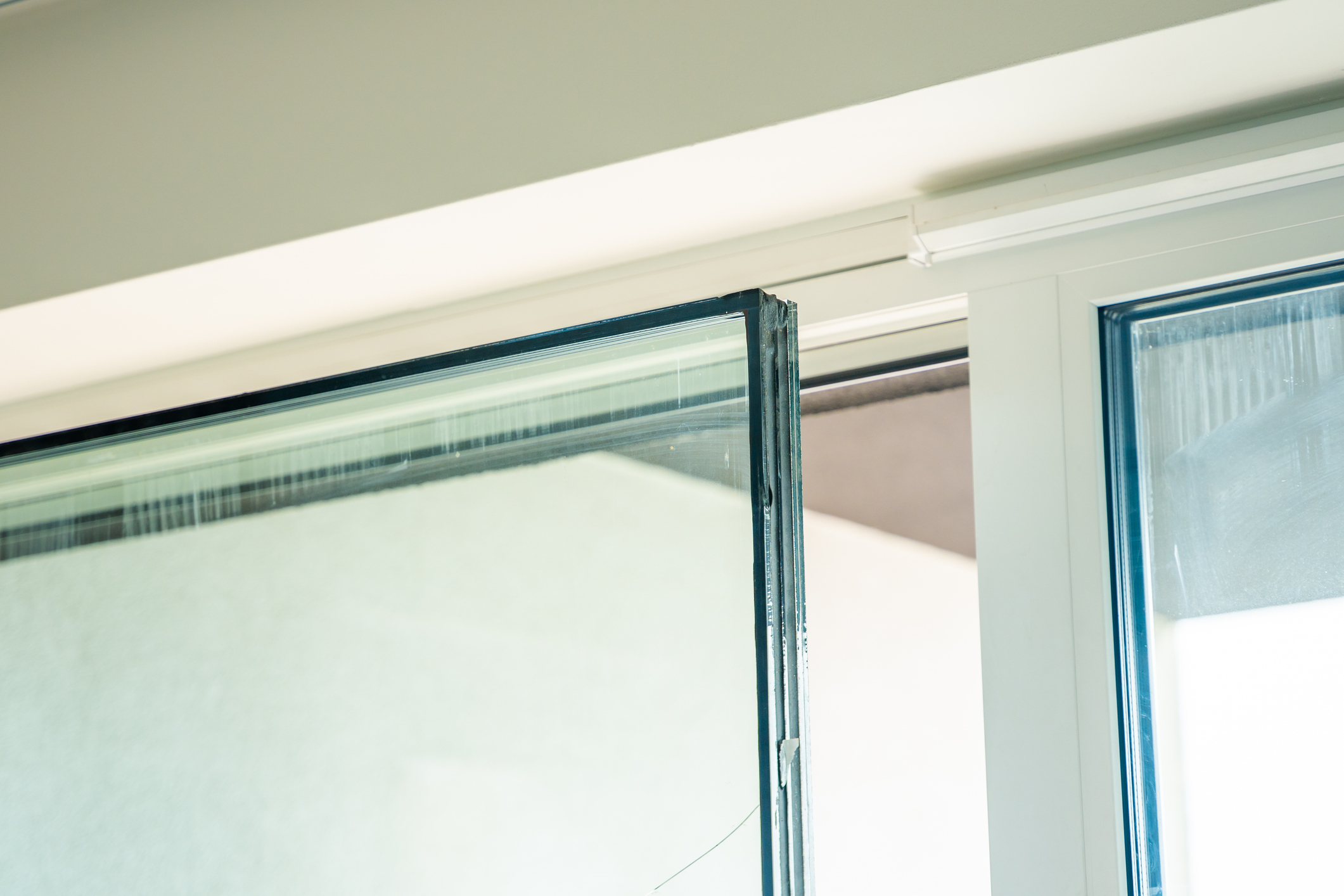
The difference between the two is straightforward. A double-pane window has two layers of glass with a single sealed space between them, typically filled with argon gas. A triple-pane window has three layers of glass with two sealed spaces, each filled with insulating gas.
That extra layer of glass and additional gas space reduces heat transfer more than a double-pane unit. It also adds weight, which affects frame requirements and installation. And it adds cost, typically 15 to 25 percent more than a comparable double-pane product.
Both options are a significant upgrade over single-pane windows. The question isn't whether triple-pane is better in a vacuum. It is. The question is whether the performance difference justifies the additional cost for your specific home and climate.
What the Performance Numbers Look Like in Practice
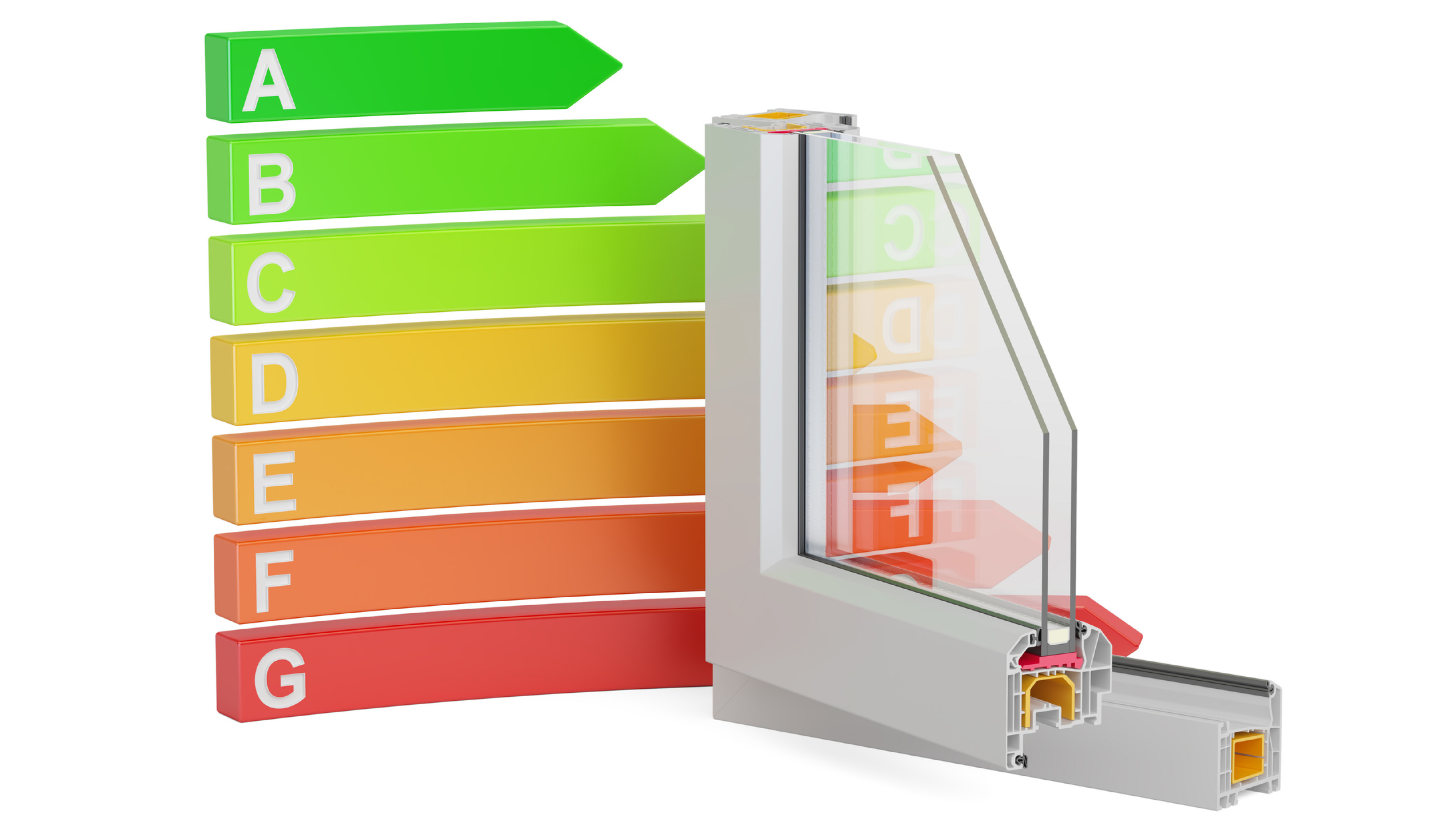
Window performance is measured by U-factor and SHGC, which we cover in detail in our energy efficient windows ratings guide. For the purposes of this comparison, U-factor is the key number. It measures how much heat passes through the window. A lower number means better insulation.
A quality double-pane window with a low-E coating and argon gas fill typically carries a U-factor in the 0.28 to 0.32 range. A comparable triple-pane window lands in the 0.18 to 0.22 range. That's a meaningful difference on paper.
In practice, the real-world impact of that difference depends on how much of your home's energy loss is actually coming through the windows. Windows typically account for 25 to 30 percent of a home's heating and cooling load. If your attic insulation is poor or your doors aren't sealed well, upgrading from double to triple-pane will have a smaller impact on your utility bills than fixing those issues first.
The other variable is how many windows your home has and which direction they face. A home with large north-facing windows in Wisconsin will benefit more from the triple-pane U-factor improvement than a home with smaller windows in a more sheltered orientation.
Double-Pane in the Midwest and Florida: Is It Enough?
For most Midwest homes, a quality double-pane window with a low-E coating and argon gas fill performs well through even the harshest winters.
Here is what to look for:
Wisconsin and Northern Illinois
- U-factor at or below 0.30 delivers solid insulation for most Wisconsin and Illinois homes and represents a major upgrade over single-pane windows
- U-factor at or below 0.22 meets ENERGY STAR's current Northern zone certification standard (Version 7.0), which most quality double-pane products can reach with the right coating and gas fill
- Whether a specific product actually hits that threshold is a question for your window contractor and the NFRC label on the exact product being quoted
Florida
In Florida, the double-pane vs. triple-pane question shifts completely. Florida's climate is not heating-dominated. It's cooling-dominated, and that changes which number matters most:
- SHGC matters more than U-factor in Florida. The goal is blocking solar heat gain, not retaining interior heat
- Triple-pane's main advantage is superior insulation against heat loss, which is less relevant in Tampa and Clearwater
- For most Florida homes, a quality double-pane window with the right low-E coating and a low SHGC is the right call
When Triple-Pane Actually Makes Sense
There are specific situations where the triple-pane upgrade is genuinely worth the additional cost.
- Extreme cold exposure. Homes in northern Wisconsin or with significant north-facing window exposure benefit most from the additional insulation. If you regularly feel drafts or cold spots near windows during January and February despite having double-pane units, triple-pane is worth evaluating.
- Noise reduction. The additional glass layer provides meaningfully better sound dampening than double-pane. If your home is near a busy road, rail line, or airport, the comfort benefit of triple-pane may justify the cost independent of the energy calculation.
- High-performance or new construction. If you're building or doing a full remodel with a focus on long-term energy performance, triple-pane aligns with that investment and the payback math improves when the windows are sized and oriented correctly from the start.
- Large window areas. Homes with a high ratio of window area to wall area, particularly with large north or west-facing expanses, get more return from the triple-pane upgrade because the performance difference applies across more surface area.
- Long-term ownership. If you're planning to stay in the home for 20 or more years, the longer payback period of triple-pane becomes more practical. The energy savings accumulate over time, and the durability advantage of the sealed triple-pane construction adds to the long-term value.
The Honest Cost and Payback Math
Triple-pane windows typically cost 15 to 25 percent more than comparable double-pane products. On a whole-house window replacement project, that premium can add several thousand dollars to the total cost.
The payback period, meaning how long it takes for the energy savings to offset the upgrade cost, depends on your energy costs, your climate, and how much your current windows are costing you in heat loss. In Wisconsin and Illinois, homes replacing old single-pane windows with quality double-pane products typically see the most dramatic energy savings. The incremental savings from going double to triple-pane are real but more modest.
A reasonable estimate for the payback period on the triple-pane upgrade in a Midwest climate is 10 to 15 years at current energy prices. If your heating costs are high, your home is exposed, and you plan to stay for 20 years, that math works. If you're planning to sell within five to seven years or the home has other efficiency issues to address first, the triple-pane premium is harder to justify.
What Low-E Coatings and Gas Fills Do to the Equation
One thing that often gets lost in the double vs. triple discussion is that the coating and gas fill on a double-pane window can close a significant portion of the performance gap. ENERGY STAR's window certification data shows that a double-pane window with a high-performance low-E coating and argon gas fill can achieve U-factors that overlap with the lower end of triple-pane performance ranges.
Low-E coatings work by reflecting infrared radiation while allowing visible light to pass through. A double-pane unit with a well-specified low-E coating retains significantly more interior heat than a standard double-pane unit without one. When comparing bids, always ask for the U-factor and confirm whether the quote includes a low-E coating and argon fill. A budget double-pane unit without those features is a genuinely different product from a quality double-pane with both.
The National Fenestration Rating Council certifies and labels window performance so you can compare products directly. Any window contractor who can't provide the NFRC label data for the products they're quoting is not giving you the information you need to make a fair comparison.
Questions to Ask Before You Decide
Before accepting any window replacement near me quote that specifies one option over the other, get clear answers to these questions:
- What is the U-factor on the double-pane product being quoted, and does it include a low-E coating and argon fill?
- What is the U-factor on the triple-pane option, and what is the price difference between the two for my specific project?
- Given my climate zone and the orientation of my windows, does the triple-pane upgrade meet the payback threshold at current energy prices?
- Are there other factors in my home, attic insulation, door sealing, HVAC efficiency, that would deliver more energy savings per dollar than the window upgrade?
- Does the triple-pane product meet ENERGY STAR Northern zone certification for my Wisconsin or Illinois home?
A window contractor who answers these questions specifically and honestly is giving you the consultation you need. One who pushes triple-pane as a default upgrade without working through the math is not.
How Ridge Top Approaches the Conversation
Ridge Top Exteriors installs both double-pane and triple-pane windows across Wisconsin, northern Illinois, and Tampa/Clearwater, Florida. Our window contractor consultants walk through your home's specific orientation, climate zone, current window condition, and energy goals before recommending one option over the other. We don't default to triple-pane because it has a higher price point, and we don't push double-pane to close a deal faster. The right answer depends on your home.
Every residential window replacement we quote specifies materials by U-factor, SHGC, coating type, and ENERGY STAR climate zone compliance. You get the NFRC label data for every product we quote so you can compare it against any other bid you receive. Our windows service page covers the full range of products we install.
Use our instant quote tool to get a real starting estimate, or schedule a free consultation to walk through the double vs. triple question for your specific home. Read verified reviews from homeowners across our service area to see how Ridge Top handles window installation in practice.
Learn more about how our process works from first contact through completed window installation.
The best window for your home is the one that solves the right problem at the right price. That's a conversation, not a product pitch.