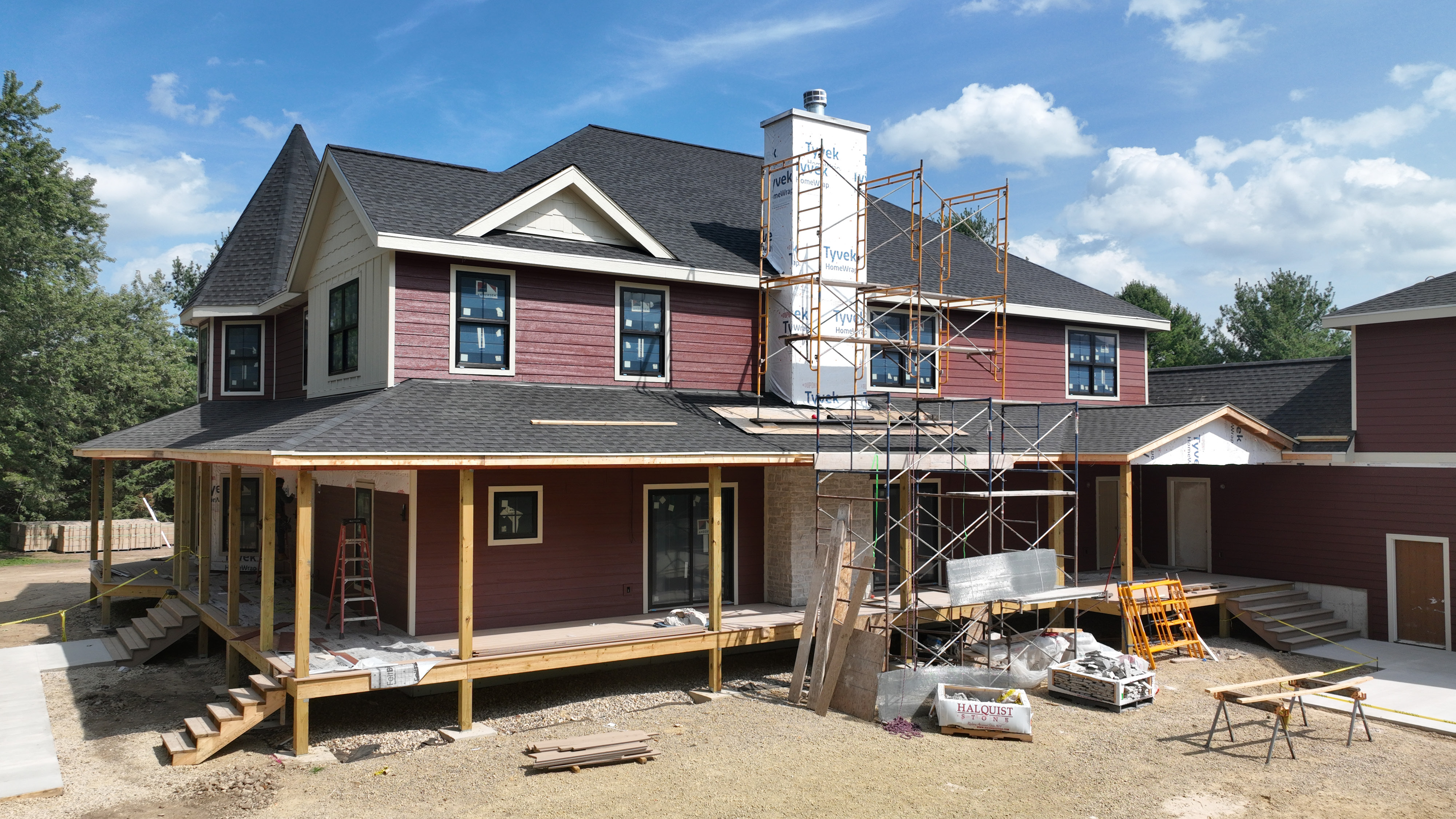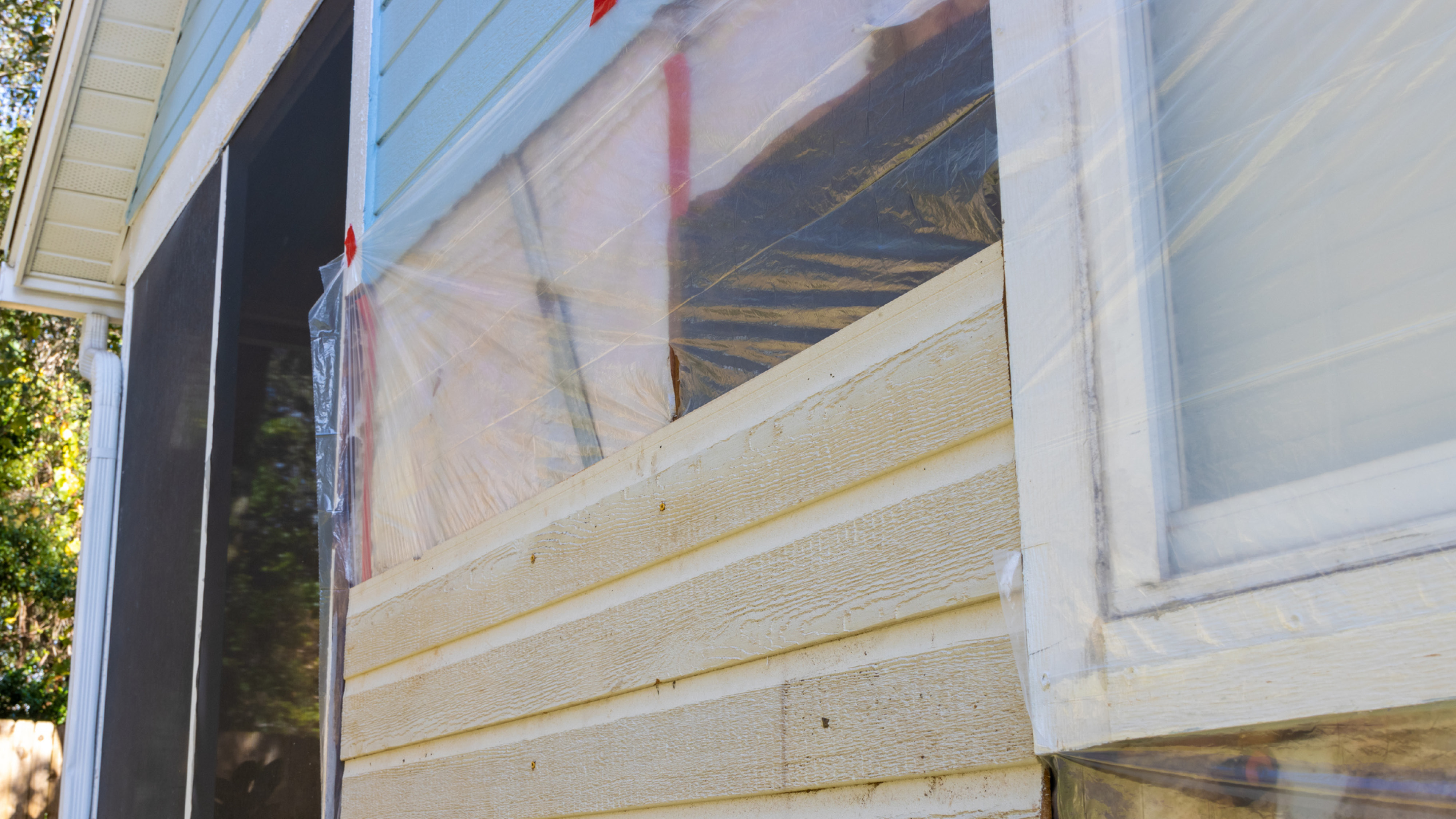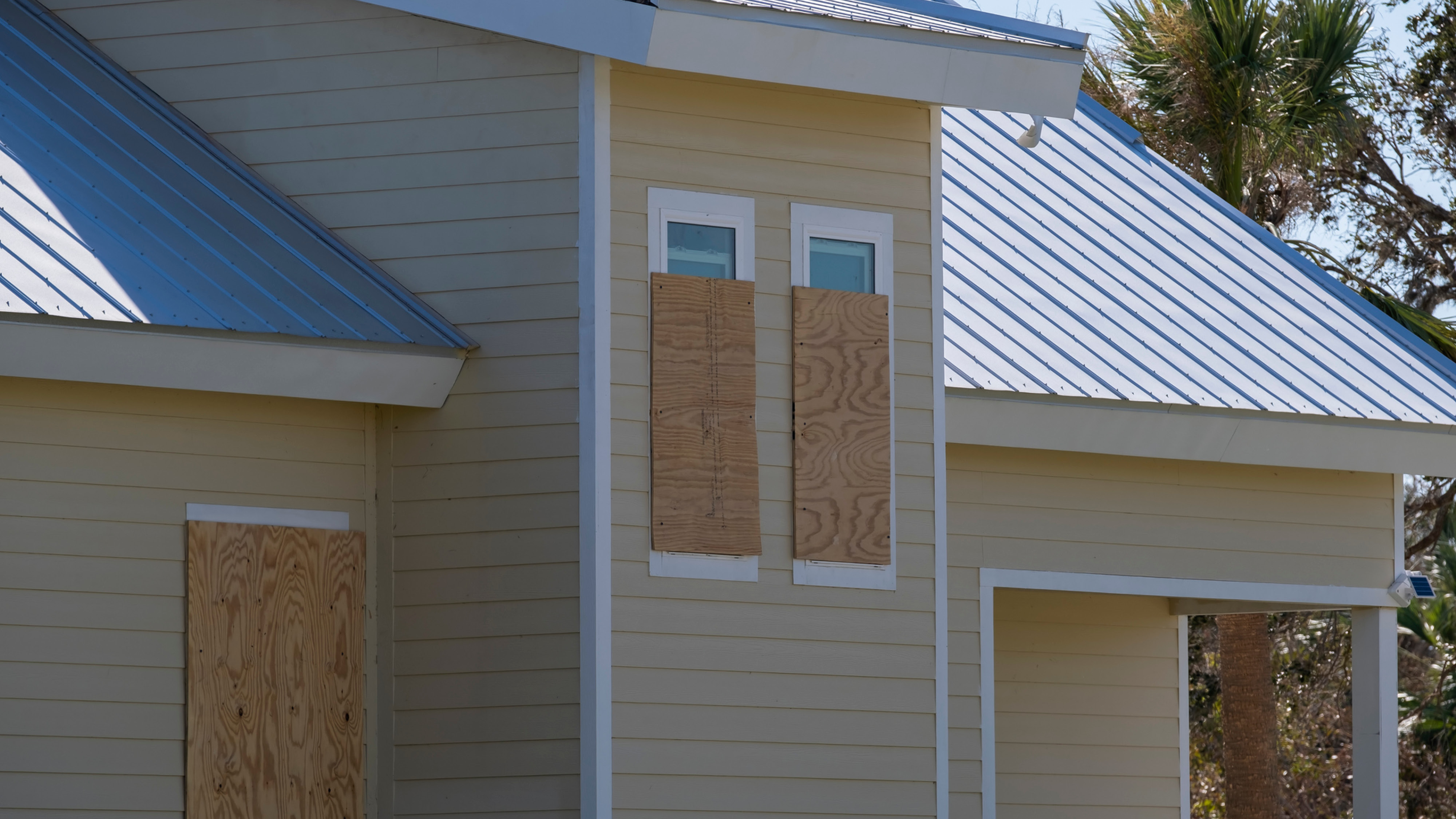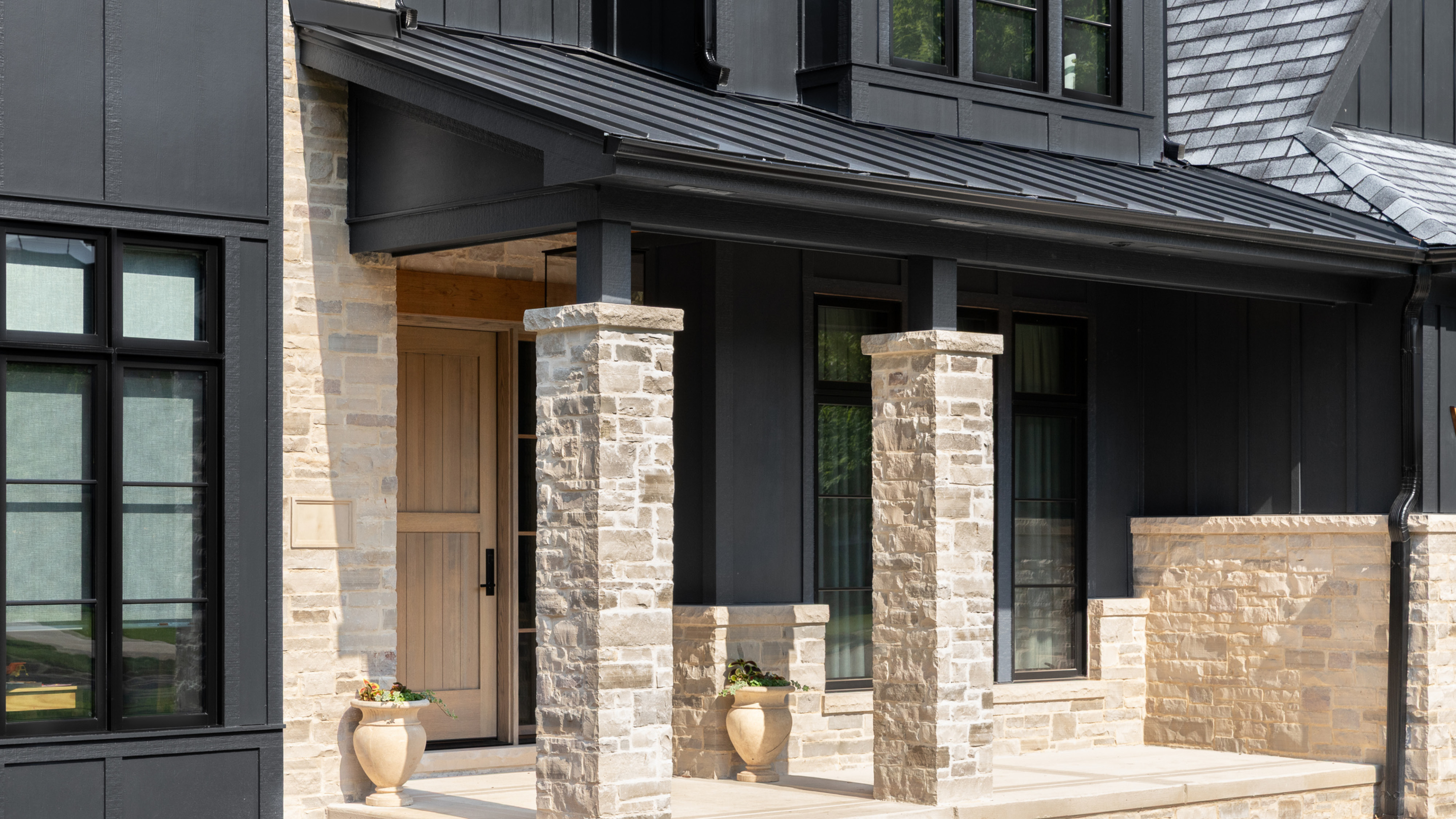
Board and batten siding looks simple. Wide boards, narrow strips covering the seams, a clean vertical line. That simplicity is deceptive. The spacing between those boards, and how they're fastened, determines whether this siding ages gracefully or starts failing within a few years, sometimes on the very same home where a different material would have held up fine.
What Makes Board and Batten Different to Install
Board and batten siding installs vertically. Unlike the horizontal lap siding most homes use. That single difference changes how water moves across the surface. Lap siding sheds water downward across overlapping horizontal seams. Board and batten relies on the batten strips to cover vertical seams instead. Those seams behave differently under expansion and contraction than a horizontal lap joint does.
An installer used to standard vinyl siding, but new to board and batten, can make mistakes that wouldn't show up on a lap siding job. The techniques don't fully transfer between styles. Not even for an experienced crew.
Why Fastener Placement Matters More Here
Board and batten boards need room to expand and contract with temperature swings. Just like any siding material. But because the boards run vertically and cover more surface area per piece, incorrect fastener placement causes more visible warping than it would on a smaller lap siding panel. A board fastened too rigidly at both ends has nowhere to go as it expands. It bows outward at the middle instead.
Fasteners need to sit at the center of each board, not at the edges. That allows expansion without restricting it. Battens then need their own separate fastening pattern that doesn't pin the underlying boards in place. Get this wrong, and the siding can look uneven within the first year. Even though every board was installed with a real level and a real measuring tape.
Material Considerations That Affect Longevity
Board and batten works with several different materials, and each one ages differently. Vinyl board and batten holds up with minimal maintenance but can show heat distortion in direct summer sun, since the panels are larger than standard vinyl siding. Fiber cement board and batten resists that heat distortion but requires more precise fastening, since the material doesn't flex the way vinyl does. James Hardie's own board and batten guide notes this style dates back nearly 200 years, originally in solid wood, before fiber cement offered a more durable alternative. Engineered wood options split the difference. They offer a more authentic wood look with moderate maintenance needs.
Whichever material you choose, ask specifically how that material's expansion behavior changes the installation approach. A technique that works for one material can actively damage another.
What to Ask Before Choosing an Installer
Before hiring, a few specific questions separate a real board and batten specialist from a general siding crew:
- How many board and batten projects they've completed, separate from their overall siding experience
- Whether that experience is with the exact material you're considering, since techniques differ between vinyl, fiber cement, and engineered wood
- Whether they can show photos of board and batten projects at least two or three years old, not just recently completed ones
- How they plan batten spacing across the wall before starting, especially around windows, doors, and corners
General siding volume doesn't guarantee board and batten experience specifically. It's a less common request than standard vinyl siding installation. Searching for a siding contractor near me and picking whoever ranks highest doesn't tell you anything about their board and batten experience specifically. Warping and uneven spacing usually take time to show up, which is exactly why older project photos matter more here than a fresh installation photo would.
Why Batten Spacing Affects the Finished Look as Much as Performance
Beyond performance, the visual spacing between battens is one of the first things homeowners notice if it's inconsistent. Uneven batten spacing draws the eye immediately, even from across the street. That's different from a minor imperfection in lap siding, which rarely stands out the same way. This is partly why board and batten requires more layout planning before the first board goes up.
Ask your installer how they plan batten spacing across the full wall before starting. Especially around windows, doors, and corners where a full board width won't fit evenly. A contractor who plans this out in advance avoids the awkward, unevenly spaced final board that a rushed installation often produces at a wall's edge.
How Board and Batten Compares to Vinyl Siding Long-Term
Homeowners comparing board and batten against standard vinyl siding are really comparing a style choice against a more common, lower-maintenance default. Vinyl siding remains the more forgiving option for a contractor with less specialized experience. Its horizontal installation and overlap system tolerates more variation without a visible flaw. Board and batten rewards precise installation and punishes shortcuts more visibly.
This doesn't mean board and batten is a worse choice. It means the installer matters even more for this particular style. The margin for error is narrower than it is with standard vinyl siding.
Why Corners and Trim Take Extra Planning
Corners present a unique challenge with board and batten that lap siding doesn't have in the same way. Because the boards run vertically, a corner has to resolve two perpendicular runs of siding meeting at a clean line, without an awkward gap or overlap. A rushed installer sometimes cuts corners here, literally, leaving a visible seam that ages poorly as the boards expand and contract in different directions.
Ask how your installer handles inside and outside corners specifically, and whether they use a dedicated corner trim piece or rely on cutting boards to fit. A dedicated trim piece designed for board and batten typically ages more evenly than a field-cut solution improvised on-site.
Why This Matters More in Some Climates
Wisconsin and Illinois homes see real freeze-thaw cycles every winter, and vertical siding with tight, improperly spaced joints traps more moisture at each seam than a properly spaced installation would. That trapped moisture freezes and expands repeatedly across a winter season, gradually widening a small installation flaw into a visible problem.
Florida's constant humidity creates a different version of the same risk. Board and batten installed without enough clearance from grade or landscaping has less opportunity to dry out between rain events, which matters more here than it does in a drier climate. In both cases, correct spacing and fastening from the start reduces how much a difficult climate can exploit a small mistake.
What Ridge Top Provides
Ridge Top Exteriors installs board and batten siding with attention to fastener placement, batten spacing, and material-specific expansion behavior. If you've been searching for a siding contractor near me with real board and batten experience, you can browse our siding services and read homeowner reviews. Our process page explains what to expect throughout your project. Certification details for installers are available through the Polymeric Exterior Products Association.
Use our instant quote tool to get a starting estimate on your siding project, or schedule a consultation with a Ridge Top project consultant to discuss whether board and batten fits your home.