A new roof recoups about 69% of its cost at resale in Wisconsin, not 100%. Replace it to protect the sale, not to raise your asking price. According to the 2025 Cost vs. Value Report from Remodeling magazine, a full tear-off and asphalt shingle replacement in the East North Central region, which covers Wisconsin, Illinois, Indiana, Michigan and Ohio, cost an average of $29,253 and returned an estimated $20,252 in resale value, or 69.2% recouped. The national average for the same project was roughly $31,871 in cost against $21,501 in added value, about 67.5%.
So you get roughly two-thirds back. Any contractor promising full payback on a new roof is overselling. The real case for replacing before you list is a different one, and in some situations the honest answer is to leave the roof alone and disclose its condition.
Does a New Roof Increase Home Value? Here Is the Real Number
Yes, a new roof adds value, but less than it costs you. The regional 69.2% figure is the one to plan around if you live in southeastern Wisconsin, because it reflects labor and material costs in our own climate zone rather than a national blend.
Two caveats matter before you build a budget on that number. These recoup figures are point-of-sale estimates assembled from contractor cost data and Realtor-estimated resale value. They are not prices anyone actually realized at a closing table, so treat them as a planning range rather than a promise.
Material choice also moves the result, and not in the direction most people expect. In the same 2025 report, a metal roof in our region averaged $47,473 in cost against an estimated $21,812 in resale value, recouping 45.9%. Spending more does not return more. Standard architectural asphalt shingles lead on recoup largely because they are what buyers in Wisconsin neighborhoods expect to see, which is why they remain the backbone of our complete roof replacement work.
If you want a second data set to cross-check, the National Association of Realtors publishes its own Remodeling Impact Report, which tracks estimated cost recovery alongside homeowner satisfaction project by project. Comparing the two is a useful habit before any five-figure exterior decision.
Why ROI Is the Wrong Question to Ask
A roof is risk removal, not a remodel. Buyers will not pay a premium for a new roof, but they will deduct hard for an old one. Your return lives in the deduction you never have to accept.
We think the roofing industry borrowed real estate language it has not earned when it started quoting return percentages, as if a roof behaves like a kitchen. Homeowners deserve a more accurate model than that.
In practice, an aging roof rarely shows up as a lower sale price. It shows up as a stalled transaction. An inspection report turns a clean offer into a five-figure concession request. An appraiser flags condition. A buyer's insurance carrier hesitates over roof age and the closing date slides.
So the question is not what a new roof adds. It is what your current roof costs you in friction, and whether that total exceeds the price of doing the work properly. Sometimes it does not.
The Three Questions That Actually Decide It
Three questions settle this for almost every homeowner we meet. Answer them honestly and the math usually resolves itself in an afternoon.
How Many Years Does Your Roof Have Left?
Remaining service life matters more than installed age. A roof with eight or ten good years left is an asset you can document. A roof at the end of its life is a liability a buyer's inspector will find and price.
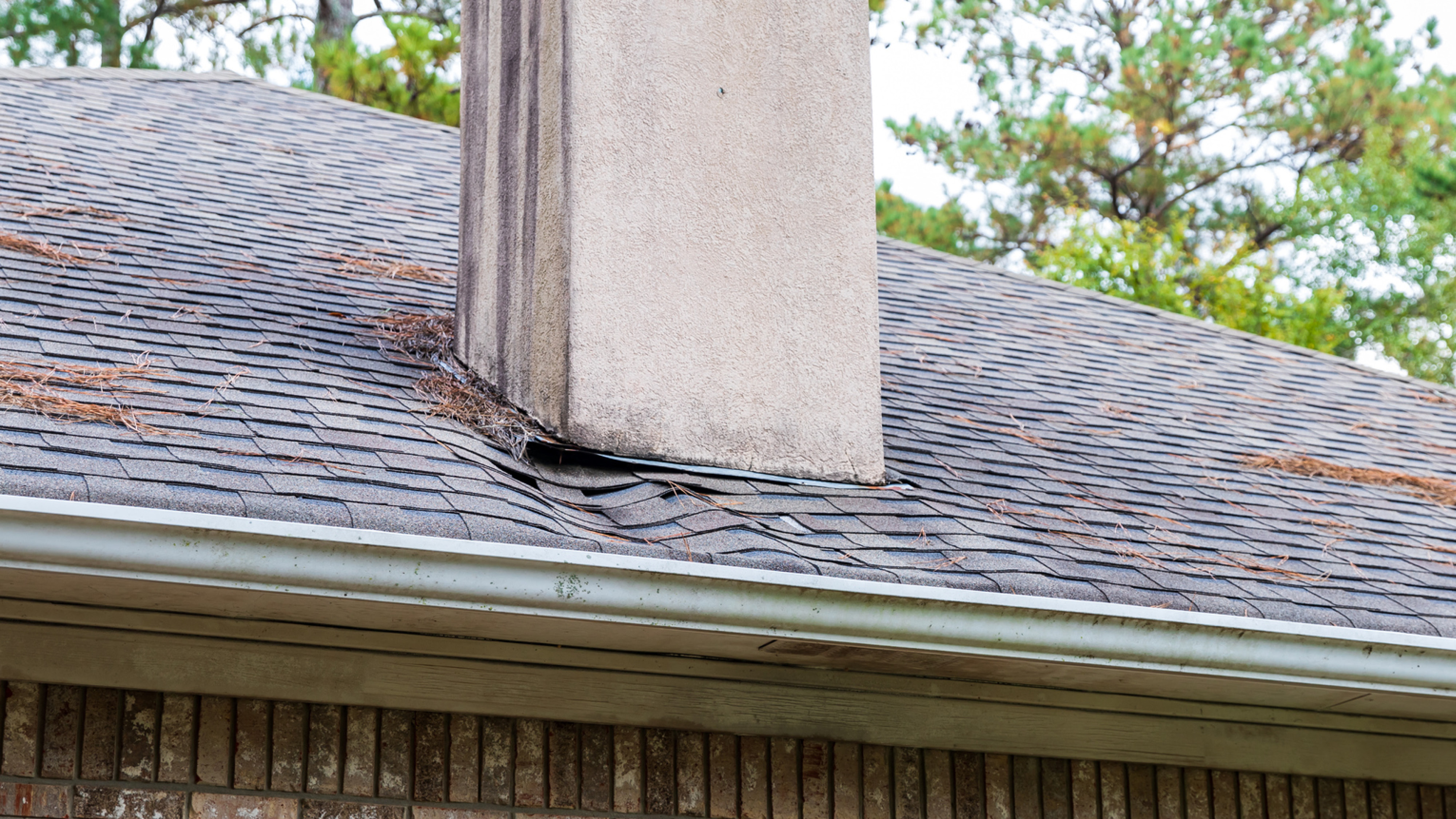
Look for granule loss collecting in the gutters, curling or cupping shingles, repeated ice dam staining at the eaves, and moisture or daylight in the attic. It helps to know what a buyer's inspector is required to look at, and the American Society of Home Inspectors publishes its standards of practice publicly. If you cannot tell on your own, ask us for a documented roof condition assessment. We would rather write you an honest condition report than sell you a replacement you do not need yet.
Are You Listing in One Year or Three?
Your timeline changes the answer completely. If you are listing in 24 to 36 months, replacing now means you enjoy the roof, control the scope, schedule around Wisconsin weather, and still hand the buyer a recent installation.
If you are listing in under 12 months and the roof still has real life left, replacement usually does not pencil out. The better move there is an inspection report, honest disclosure, and a maintenance record that shows the roof has been cared for. Our RoofCare+ maintenance program exists for exactly that situation, because a documented service history answers questions a bare roof cannot. Selling in two years with a roof near the end of its life is the strongest case for acting now.
Is Your Roof Creating an Insurance or Financing Problem?
This question overrides the other two. Insurability is now a closing issue, not a homeowner inconvenience. Carriers treat roof age as a leading underwriting factor, and asphalt shingle roofs past roughly 20 years can draw higher premiums, a required inspection, reduced coverage, or nonrenewal.
Can a buyer get insurance on a 20-year-old roof? Often yes, but on worse terms. Common industry thresholds put the start of scrutiny around 15 years, a shift from replacement cost coverage to actual cash value near 20 years, and declination or required replacement at roughly 25 to 30 years.
That coverage shift is the part most sellers miss. Under actual cash value, the carrier pays the depreciated value of the old roof rather than the cost of a new one, and the Insurance Information Institute explains the difference between those two coverage types in plain language. For rules specific to our state, the Wisconsin Office of the Commissioner of Insurance publishes free homeowners insurance consumer guides covering coverage basics and your options if a carrier declines to renew. When a buyer's carrier balks, your closing date moves, and no amount of curb appeal fixes it.
Replace the Roof or Credit the Buyer?
Credits look cheaper on paper and usually are not. When you replace on your own timeline, you pay a known number, close to that $29,253 regional average, with competitive bids and no deadline pressure.
When a buyer forces the issue after inspection, three things change at once:
- The request is built on their worst-case estimate, not your best bid.
- It lands inside the contingency window, when you have the least leverage.
- It carries uncertainty pricing, because the buyer does not know what a tear-off will reveal.
There is a quality problem buried in the credit path too. A roof installed to pass a sale is a different product than a roof installed to last. An overlay rushed on before listing is the clearest example, and competent inspectors spot layered shingles quickly. The invoice savings rarely survive the credibility cost at the negotiating table.
If the roof is worth doing, it is worth doing as a complete roofing system, with proper attic ventilation, ice and water protection at the eaves, and flashing details handled correctly. You should also be able to see the scope before you commit, which is why we walk homeowners through what a roof replacement quote should show you before you sign.
What Wisconsin Weather Does to Your Timeline
Our climate shortens roof life and compresses your options. Freeze and thaw cycling works shingles loose. Ice damming at the eaves pushes meltwater backward under the courses. Snow load stresses fasteners and flashings. Spring and summer hail does the rest, which is why a hail and storm damage inspection after a significant storm is worth the hour it takes.
Then there is the calendar. Our installation season is shorter than the national average, and the best crews book out inside it. A homeowner planning roof replacement in Brookfield in February has scheduling control. The same homeowner negotiating a credit in late October, mid-transaction, does not.
Poor attic ventilation is the quiet accelerator behind most of this damage. Trapped heat and moisture age shingles from underneath and feed ice dams from above. It is also the item most often skipped on a rushed job, and the reason seasonal roof maintenance catches problems while they are still inexpensive.
The Paperwork That Protects Your Price at Closing
Documentation turns a new roof from a claim into a verified fact. Buyers increasingly ask for roof records the way they ask for furnace and water heater age, and underwriters want the same proof.
Hand the buyer a folder containing:
- An itemized invoice showing tear-off, decking repairs, underlayment, ventilation work, and shingle product
- Manufacturer warranty registration in your name, with transfer instructions included
- Your transferable workmanship warranty documentation
- Permit records and the final municipal inspection sign-off
- Dated photos of the bare deck, the ice and water membrane, and the finished roof
Every one of those items comes standard with our transferable workmanship warranty, because a warranty a buyer cannot verify is not worth much at the closing table. This packet does quiet work for you. It answers the inspector before he writes. It gives the appraiser something to cite. It gives the buyer's insurance agent a verifiable installation date. The roof stops being a negotiating topic.
Making the Right Call on Your New Roof
Run this framework today and you will have your answer.
- Roof is sound with years of life left and you list within 12 months: do nothing, document the condition, and disclose honestly.
- Roof is near the end of its life and you list in 12 to 36 months: replace on your schedule, in the season you choose, with full documentation.
- Roof is already creating an insurance, appraisal, or financing problem: address it regardless of the recoup percentage, because the issue is closing risk, not resale value.
- You are unsure which bucket you are in: get a written condition assessment before you get a quote.
We would rather tell you to wait than sell you a new roof you do not need. If the honest answer in your case is a condition report and transparent disclosure, that is the advice you will get from us.
Two reading assignments before you decide anything. Check the current East North Central recoup figures, since they are updated annually, and read the state insurance guidance on how carriers treat roof age here. Then, when you want a clear picture of what your roof actually has left, ask us for a roof condition assessment. You will get photos, remaining life in plain language, and no pressure to decide anything that day.