For most homeowners, a quality architectural shingle is the upgrade worth paying for during a home roof replacement. Everything above that tier depends on your climate, your insurance policy and how long you plan to stay.
The short version:
- 3-tab to architectural: worth it in nearly every case, on math alone.
- Architectural to Class 4: worth it where hail is common and your carrier confirms a discount in writing.
- Class 4 to designer: an appearance and resale choice, not a durability argument.
- Two tiers up at once: rarely returns the premium.
Here is how to compare grades using published specifications instead of sales language, so three competing estimates finally read on the same terms.
The Four Shingle Grades, Explained
Four practical tiers show up on most proposals, and they differ in how they are built, not just what they cost. Shingle grades explained honestly start with construction.
- 3-tab: a single flat layer with cutouts that create the tab pattern. Lightest option, shortest expected service life, lowest wind ratings in the lineup.
- Architectural (laminated): two layers bonded together. The extra mass creates the dimensional shadow lines on most newer roofs. This is the current market standard.
- Class 4 impact-resistant: products that passed UL 2218, a test that drops steel balls on the shingle at its most vulnerable points to simulate hail. Class 4 is the highest of the four classes.
- Designer: the heaviest and thickest, with deep profiles that imitate slate or wood shake, and typically the longest warranty terms.
Compare these five numbers on every bid as you review the shingle grades we install: wind rating, impact class, warranty term and whether it is prorated, weight per square, and nail-zone width. The Asphalt Roofing Manufacturers Association publishes a plain-language summary of the product and test standards you will see printed on a shingle wrapper, and it is worth ten minutes of your time.
3-Tab vs. Architectural: The Easiest Upgrade to Justify
The numbers back this one up. In the architectural shingles vs 3-tab comparison, the price gap has narrowed in recent years. The performance gap has not.
- Wind rating: architectural products often carry 130 mph versus 110 mph, when installed to the manufacturer's enhanced nailing pattern.
- Service life: the laminated layer adds years the single-layer product cannot match.
- Failure mode: 3-tab loses tabs in a single wind event, which starts the replacement clock early.
One caution on wind numbers: they come from a laboratory classification, and ARMA's technical bulletins explain that the rating assumes specific installation conditions. A shingle fastened incorrectly does not carry its printed rating onto your roof.
Stop judging bids on price per square. Divide the installed price by the realistic years of service instead. A budget roof replaced years ahead of schedule can cost more per year than the better shingle the homeowner declined.
That is the pattern we see most often on tear-offs. For a complete home roof replacement you plan to live under for a decade or more, entry architectural is the sensible floor.
Class 4 Impact-Resistant Shingles: A Climate and Insurance Decision
Class 4 is not a taste upgrade. It is driven by your weather history and your insurance policy, and it should be decided with your carrier on the phone.
The label alone is not enough. The Insurance Institute for Business & Home Safety fires lab-made ice hailstones at shingles pulled from retail shelves, and its impact-resistant shingle ratings show that products carrying the same label do not perform equally against real hail. Ask which specific product is quoted, then look it up before you approve the line item.
Many carriers in hail-prone markets offer a premium discount for impact resistant shingles. Many, not all. Confirm these four things in writing before you upgrade:
- The discount amount, stated as a dollar figure or percentage.
- Whether it applies to the full policy or only the roof portion.
- What documentation the carrier needs after installation.
- How long the discount stays in place.
If the discount is meaningful and you live in a hail corridor, the upgrade often recovers its premium over the life of the roof. If your carrier offers nothing, treat Class 4 as pure durability insurance and decide accordingly. Our impact-resistant roofing options always come with the test classification documented, not implied.
Designer Shingles and Where Upgrades Stop Paying
Designer shingles buy profile depth, curb appeal and longer warranty terms. They do not buy proportionally more waterproofing. That makes them a legitimate aesthetic and resale choice, which is exactly how they should be sold to you.
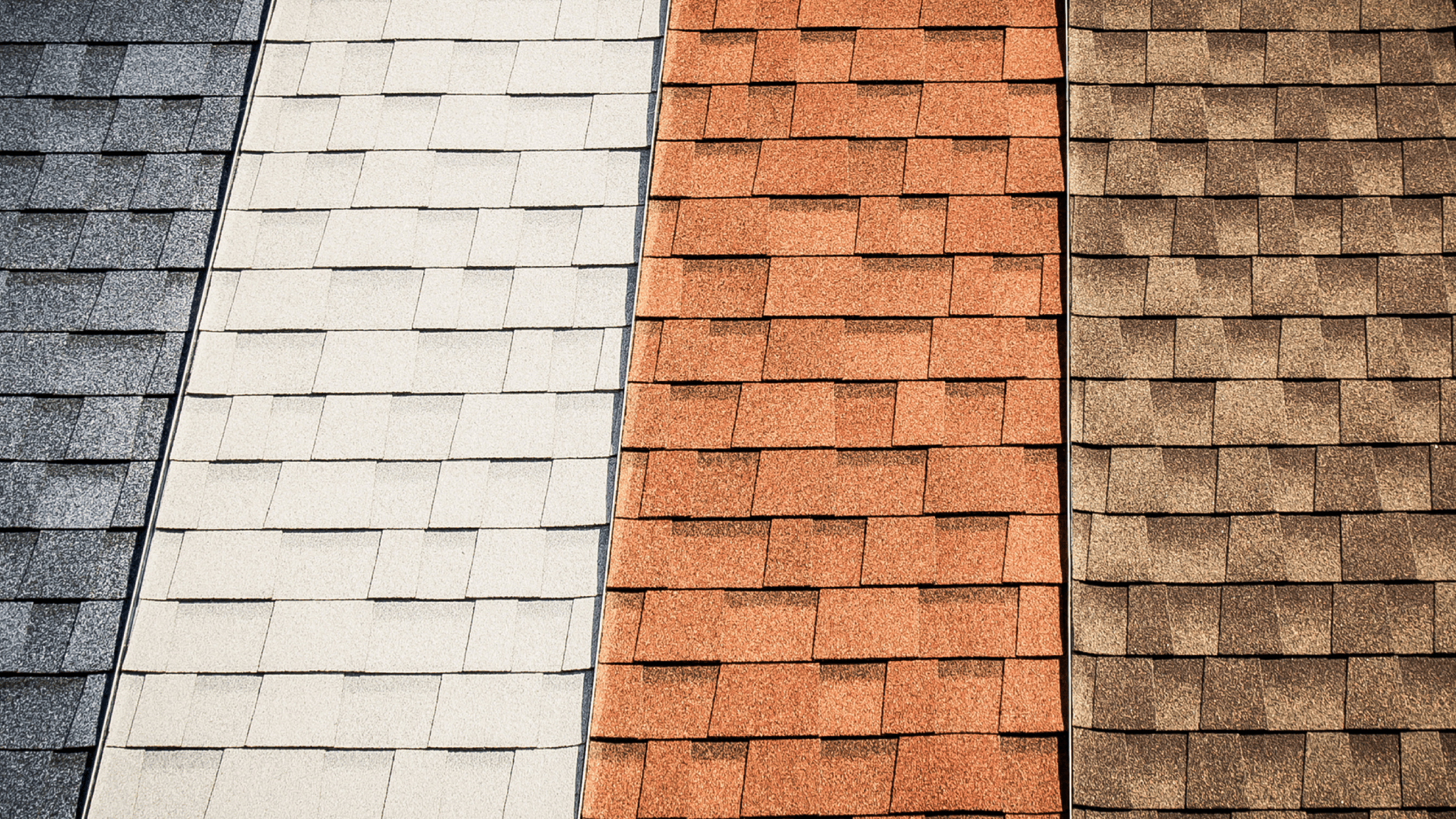
If appearance is driving the decision, see it before you commit. We can show you your new roof before you sign, which settles the color and profile question far better than a handful of sample squares on the driveway.
Expect resale to return part of the cost, not all of it. The annual Cost vs. Value Report put a national asphalt shingle replacement at roughly 68 percent of cost recouped at resale. That is a strong number for an exterior project, and a reminder that stacking premiums you cannot see from the curb is unlikely to come back.
Here is where we tell homeowners to stop. Jumping two tiers rarely returns the premium on:
- A low-slope roof, where the profile is barely visible.
- A roof hidden from the street by trees or grade.
- A home you plan to sell within a few years.
Look through our recent roof replacements near you and you will notice the right grade varied by house, not by budget.
Why the Grade Means Nothing Without the Installation
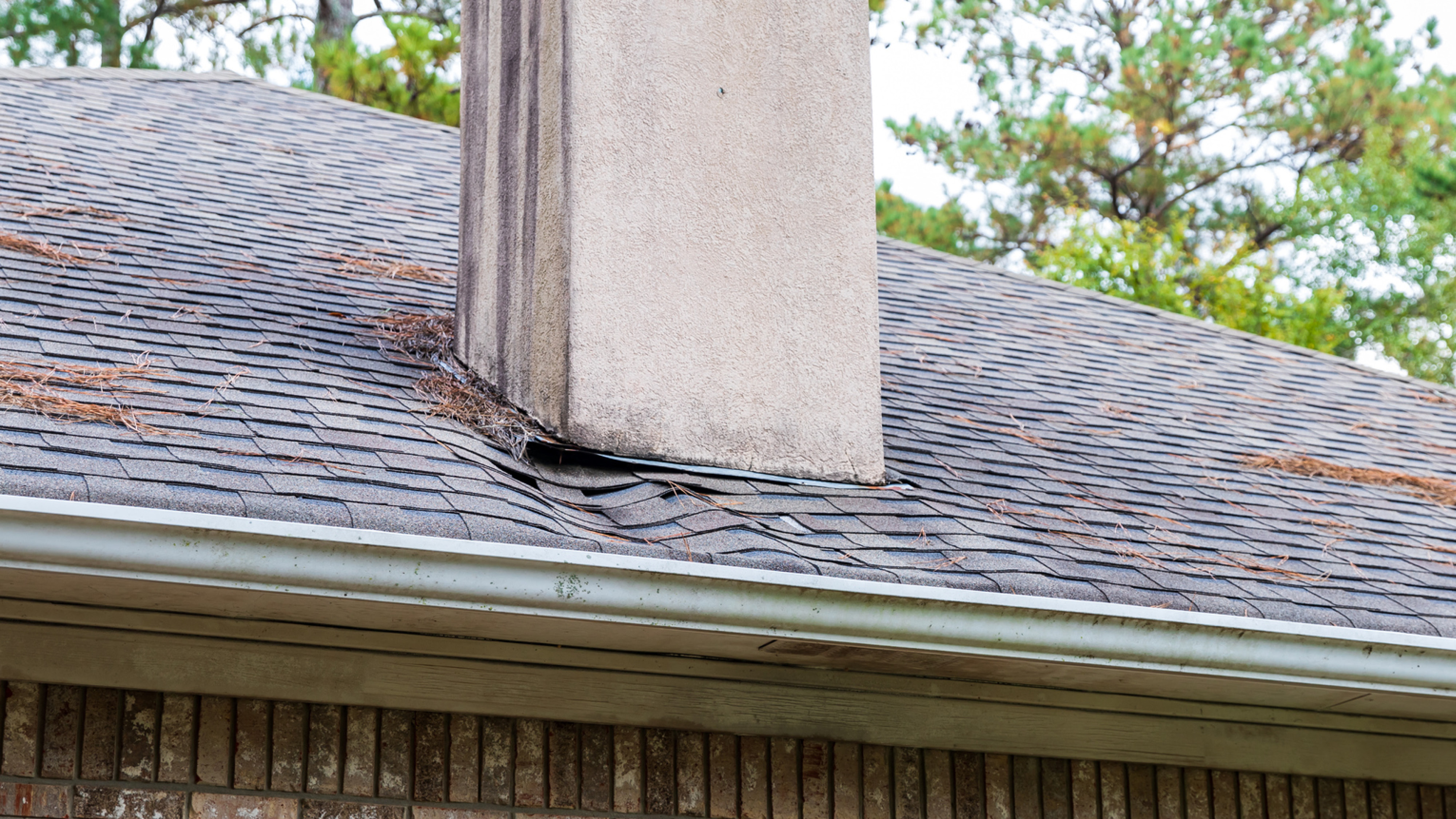
No shingle reaches its rated lifespan on its own. Fasteners placed outside the nail zone, compromised decking left in place, or an attic without proper ventilation will age a premium roof early and quietly. Heat and moisture trapped under the deck cook shingles from below.
Warranty coverage follows the same rule. Enhanced manufacturer warranties require a certified installer, matching system components and registered documentation. Without all three, you hold a materials-only warranty on an expensive shingle. Read the manufacturer's warranty document before you sign, then ask us for your written workmanship and manufacturer warranty in the same conversation.
Then keep the paperwork alive. Most enhanced warranties expect documented upkeep, which is why we built RoofCare+ around scheduled inspections and a written service record. It is the difference between owning a warranty and being able to use one.
Questions to Ask About the Shingles on Your Estimate
- Product: which exact product and grade is quoted, and can I see the specification sheet?
- Ratings: what are its wind rating and impact classification?
- Warranty: is it standard or enhanced, and is it prorated?
- Qualification: which components and installer certifications are required to keep that warranty valid?
- Price delta: what is the cost difference between adjacent grades on this specific roof?
- Paperwork: who registers the warranty, and when do I receive the documents?
Making the Right Call on Your Home Roof Replacement
Match the grade to three things: your climate, your roof's geometry, and how long you plan to stay. Then judge each option on cost per year of service plus likely insurance and resale effects, never on up-front price per square.
A good contractor will tell you when an upgrade does not pay on your home roof replacement. When you are ready to compare honestly, get an itemized, no-pressure estimate with each grade priced side by side.