Here's a number that gets attention fast. During Hurricane Sally, homes built to the FORTIFIED Roof standard saw something big. Claim frequency dropped 73 percent. That's compared to regular, conventionally built homes. This isn't a marketing estimate. It's the result of a peer-reviewed study. Researchers used real claims data from more than 40,000 insured properties.
So what actually separates a fortified roof from a standard roof replacement? The material on top often looks the same. The real difference lives underneath it. It's in details most homeowners never think to ask about.
What Actually Makes a Roof "Fortified"
FORTIFIED is a construction and re-roofing standard. The Insurance Institute for Business and Home Safety, known as IBHS, developed it. It's not a brand of shingle. It's not a marketing label a contractor can add to a quote. It's a specific set of requirements. Every one of them has to be checked and verified before a home earns the designation.
A few things separate this standard from a typical reroof:
- A sealed roof deck, meaning every seam and nail hole gets covered with an approved tape or membrane, so wind-driven rain can't get in even if shingles are lost
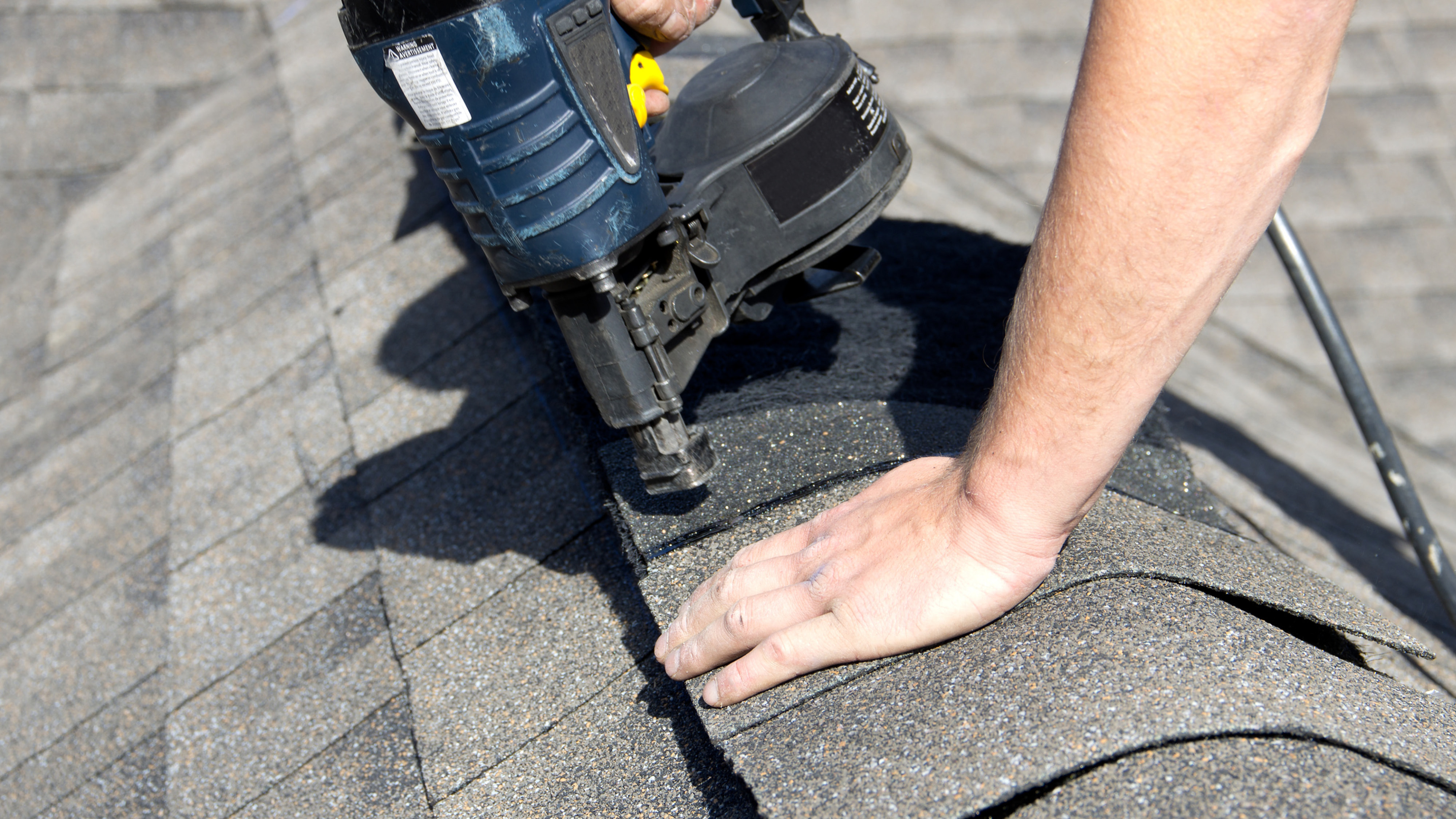
- Enhanced fastening, using ring-shank nails in a specific hurricane nailing pattern instead of standard staples or smooth nails
- A reinforced roof edge, which stops the peel-back effect that happens when wind gets underneath the leading edge of a roof
- mpact-rated shingles built to handle hail and wind-borne debris better than standard shingles
None of these show up in a photo of the finished roof. They're only visible during installation. That's exactly why fortified roofing depends on documentation, not just good intentions.
The Hurricane Sally Numbers That Changed the Conversation
Hurricane Sally hit near Gulf Shores, Alabama, in September 2020. It came in as a strong Category 2 storm. It was the first major hurricane to hit an area with enough FORTIFIED homes to actually compare results.
The Alabama Department of Insurance study found something striking. FORTIFIED Roof homes saw a 73 percent reduction in claim frequency. Loss ratios dropped 72 percent compared to standard construction. Claim severity, meaning how expensive each claim was once filed, dropped by 15 percent too. Homes built to the higher FORTIFIED Gold tier did even better across all three numbers.
Here's what made this study different from older lab testing. It used real claims data, not simulations. Insurers pulled actual policy and loss information from homes that had genuinely been through a real storm. The results held up.
Why Third-Party Verification Is the Real Difference
Here's the detail that matters most. A contractor might say they used "hurricane-rated materials." That's different from real fortified roofing. A FORTIFIED designation isn't self-certified. An independent evaluator has to inspect the work. This person has no financial connection to the installing contractor. They confirm the job meets every requirement before IBHS issues the designation.
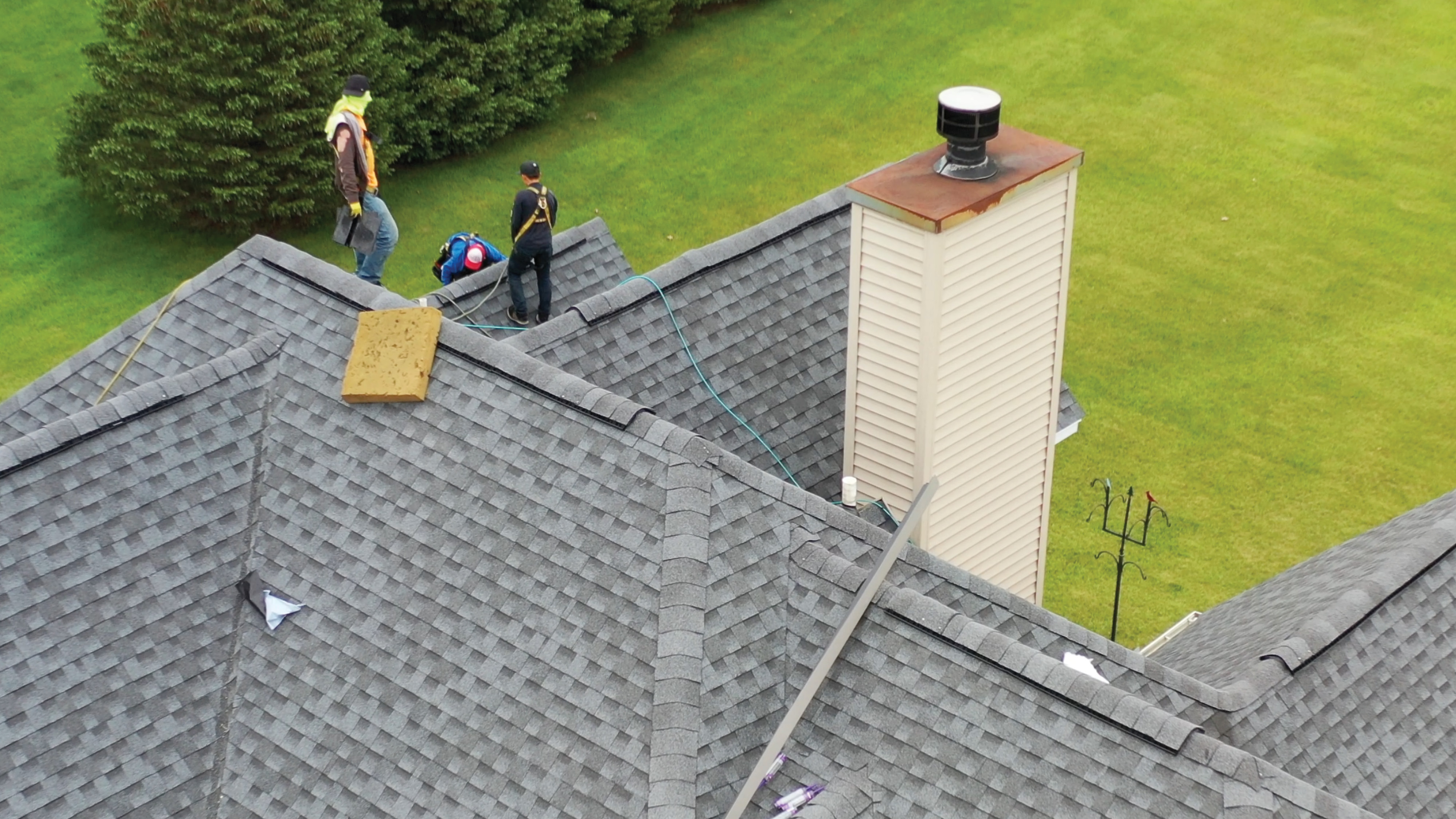
That evaluation depends on documentation gathered throughout the project. It's not just a final walk-through. A properly run fortified roofing job photographs several things. The bare deck. The sealed seams. The underlayment. The drip edge. The finished shingles. Each stage gets its own photos. Those photos get submitted with the evaluation application. They're the actual record that the work happened the way it was supposed to.
Skip the documentation, and there's no fortified roof certification. It doesn't matter how good the materials were. This is also why a contractor's word alone was never really the standard. The verification step is the whole point.
What It Costs, and What It Saves on Insurance
Upgrading to fortified roofing costs more than a standard reroof. It typically runs about 20 percent more once you include the evaluator's fee. That upgrade isn't free. But it isn't the whole picture either.
Insurance carriers in wind-prone states increasingly have to offer discounts for FORTIFIED Roof designation. Those discounts aren't small. Typical reductions run 25 to 40 percent off the wind portion of a homeowner's premium. Some FORTIFIED Gold homes see discounts as high as 55 percent. On a policy with a meaningful wind premium, that adds up fast. It's real money every single year, not just a one-time rebate.
Several states also offer grant programs. These cover a large chunk of the upgrade cost directly. Louisiana's Fortify Homes Program, for example, offers up to $10,000 toward a FORTIFIED roof. Similar programs exist or are launching in Alabama, North Carolina, and other coastal states.
Why This Matters in Every Market Ridge Top Serves
Fortified roofing was built with hurricane wind and debris in mind. That's exactly the risk our Tampa and Clearwater customers deal with every season. Wind speeds well above 100 mph. Airborne debris flying at high speed. Those are the specific threats the sealed deck, reinforced edge, and enhanced fastening were built to resist.
Wisconsin and Illinois see a different kind of severe weather. But the underlying construction risk isn't as different as it looks. Straight-line winds from summer thunderstorms regularly hit 60 to 80 mph across the Midwest. Hail season puts real pressure on shingles every spring and summer. Sometimes a tornado passes nearby without hitting a home directly. Even then, the wind field around it can generate the same kind of uplift pressure on a roof edge that a hurricane does. A sealed deck and a reinforced edge address that uplift risk either way. It doesn't matter whether the storm has a hurricane name attached to it or not.
This is also why FORTIFIED isn't only marketed in coastal states. Contractors in Illinois have started building FORTIFIED-compliant roofing packages for hail and straight-line wind exposure. Not hurricane exposure. The same underlying construction details address both risks.
How the Evaluation Process Actually Works
Getting a fortified roof certification follows a specific sequence. Skip a step anywhere along the way, and it voids the whole process. First, the contractor reviews the FORTIFIED requirements that apply to your home's specific wind zone and age. Products get checked against the IBHS Accepted Products List before anything gets ordered. Not every shingle or fastener on the market qualifies.
Once installation starts, photo documentation happens at each stage, not just at the end. An IBHS-trained evaluator, someone independent from the contractor doing the work, then visits the property. They review the photos and inspect whatever portions of the installation are still accessible. Only after that review is complete does IBHS issue the actual designation.
This sequence is also why choosing fortified roofing isn't a decision you make partway through a project. The requirements shape decisions from the first phone call, not just the final inspection.
What Ridge Top Provides
Ridge Top installs to the FORTIFIED Roof standard with full photo documentation at every stage. We coordinate directly with an independent evaluator so the designation gets handled correctly the first time. We can also walk you through what grant programs or insurance discounts might apply in your specific area.
Use our instant quote tool to get a starting estimate on your roof replacement. Or schedule a consultation with a Ridge Top project consultant. We'll help you figure out if fortified roofing makes sense for your home.