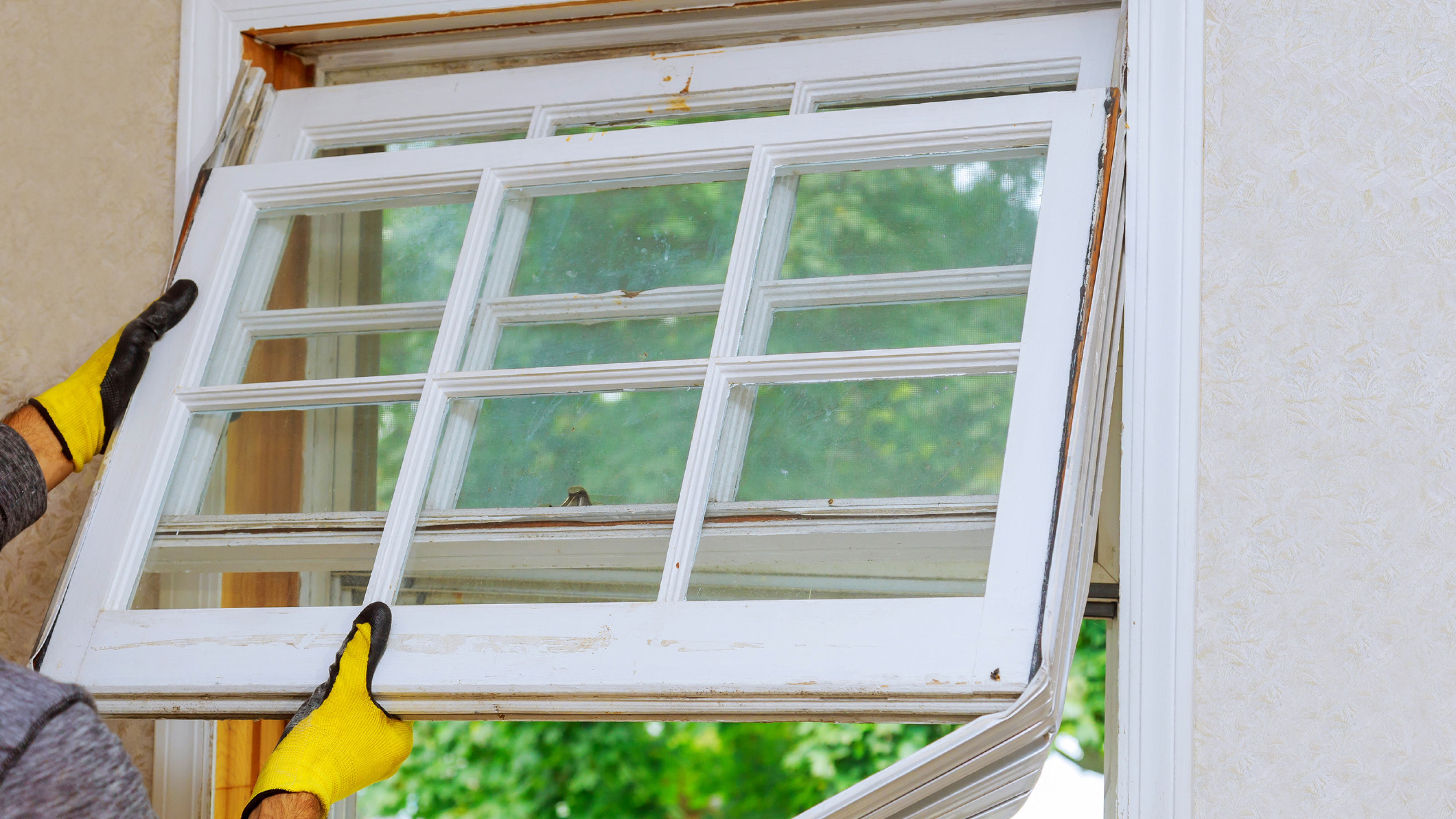
Window replacement financing should be a planning tool, not a closing tactic. The right sequence is simple: define the scope, price the work in writing, then decide how to pay for it. When financing comes first, the payment starts driving the product choice, and that is how homeowners end up with thin materials, rushed installation, and a second replacement a decade later. Handled in the right order, financing turns a large number into a manageable plan without touching the quality of what goes into your walls.
Why Financing Comes Up Early in a Window Project
Most homeowners are not stalled by the idea of new windows. They are stalled by not knowing what the project costs and how it fits into the household budget this year.
That uncertainty is why payment plans appear so early in many sales appointments. In our experience, the monthly number gets presented before the measurements are even confirmed, which puts the decision in the wrong order.
We take the opposite approach. We measure, specify the window package, and put an itemized cash price in front of you first. Only then does it make sense to talk about how to fund it, because the product and installation package drives the payment, never the reverse. If you are still deciding whether replacement is the right call at all, the Department of Energy's guide to updating or replacing windows is an honest, non-commercial starting point.
How Window Replacement Financing Actually Works
There are three common paths homeowners use when learning how to finance new windows: a plan arranged through the contractor, borrowing against home equity, or an unsecured loan from a bank or credit union. Each one has a real trade-off, and none of them is automatically the smart choice.
- Contractor-arranged plan: fastest to set up, convenient, but promotional terms need careful reading.
- Home equity loan or HELOC: typically lower rates and longer terms, but your home secures the debt.
- Personal or credit union loan: unsecured and flexible, usually a higher rate and a shorter term.
- Cash or partial cash: no interest cost at all, and always worth comparing against any financed option.
Contractor-Arranged Payment Plans
These plans are convenient because the approval happens alongside the project paperwork. Many are genuinely useful, especially short promotional periods with a clear payoff date you can realistically meet.
The caution is structure. The Consumer Financial Protection Bureau publishes plain-language guidance on how deferred interest works, and the recurring theme is reading what happens after the promotional window closes. We decline to offer deferred interest structures for that reason, because one missed deadline should not reprice an entire project.
Home Equity Loans and HELOCs
If you have equity and a stable income, this is often the lowest total cost option. A home equity loan gives you a fixed amount at a fixed rate. A HELOC works more like a revolving line with a variable rate, which is helpful if you are phasing work across seasons. The CFPB's borrower resources on home equity lending are worth reading before you apply.
The trade-off is real: your home is the collateral. Closing costs and appraisal timing also mean these take longer to arrange, so start the application while you are still collecting estimates.
Personal and Credit Union Loans
An unsecured loan keeps your home out of the equation, which many homeowners prefer for a mid-sized project. Local credit unions frequently offer competitive rates to members and tend to explain terms in language you can actually follow.
Expect a higher rate than a secured loan and a shorter repayment term. That combination raises the monthly payment but usually lowers the total interest you pay over the life of the loan.
What Replacement Windows and Doors Actually Cost
Replacement window cost is driven by material, size, glass package, and the condition of the existing openings. As a general range, vinyl units sit at the lower end, fiberglass and composite in the middle, and wood-clad at the upper end. Entry and patio doors span a similarly wide range depending on material and glass.
Regional labor rates, permit requirements, and climate zone glass specifications move these numbers meaningfully, so treat any published range as a starting point rather than a quote. The annual Cost vs. Value Report breaks window and entry door replacement down by region, which is a useful sanity check on the estimates in your stack. A whole-home project of fifteen to twenty-five openings is a serious number in any market.
One more cost lever worth knowing: if windows are part of a larger exterior plan, sequencing them alongside siding and other exterior work can save on staging, trim, and flashing details that otherwise get paid for twice. We will tell you honestly whether bundling helps your home or simply enlarges the project.
What matters more than the range is the itemization. You should see unit counts, materials, glass specifications, installation method, disposal, and warranty coverage listed separately. If a proposal shows only a total and a monthly payment, you cannot compare it to anything.
How to Read a Financing Offer Before You Sign
The monthly payment is the least informative number on the page. Read the APR, the term length, and the total amount repaid, because a longer term quietly raises what the project costs you even when the payment looks comfortable.
Learn the difference between a true zero percent promotion and a deferred interest plan. In a deferred structure, interest accrues quietly during the promotional period and is added to your balance if the full amount is not paid off by the deadline. The CFPB's consumer tools on home improvement borrowing walk through the same warning signs. Also check for origination fees, prepayment penalties, and whether the rate is fixed or variable.
Then check how the offer is being presented to you. These are the signals we tell homeowners to watch for:
- A payment quoted before anyone measured your openings.
- Terms explained verbally but not written into the agreement.
- A discount that expires when the salesperson leaves your kitchen.
- No cash price listed beside the financed option.
- Pressure to sign tonight, or reluctance to leave the paperwork with you.
- A suggestion to downgrade materials or installation to hit a payment target.
An honest offer survives a week on your counter. Ours states the cash price plainly, discloses APR and term in writing, and comes with no deadline attached to your decision. If you want to see how that works before committing to anything, just ask us for an itemized estimate and read it at your own pace.
Rebates and Tax Credits That Reduce What You Finance
Incentives lower the amount you need to borrow, so confirm them before you finalize financing. The federal Energy Efficient Home Improvement Credit, Section 25C, applies to qualifying ENERGY STAR certified windows and doors, with annual limits and specific requirements published by the IRS and claimed on Form 5695.
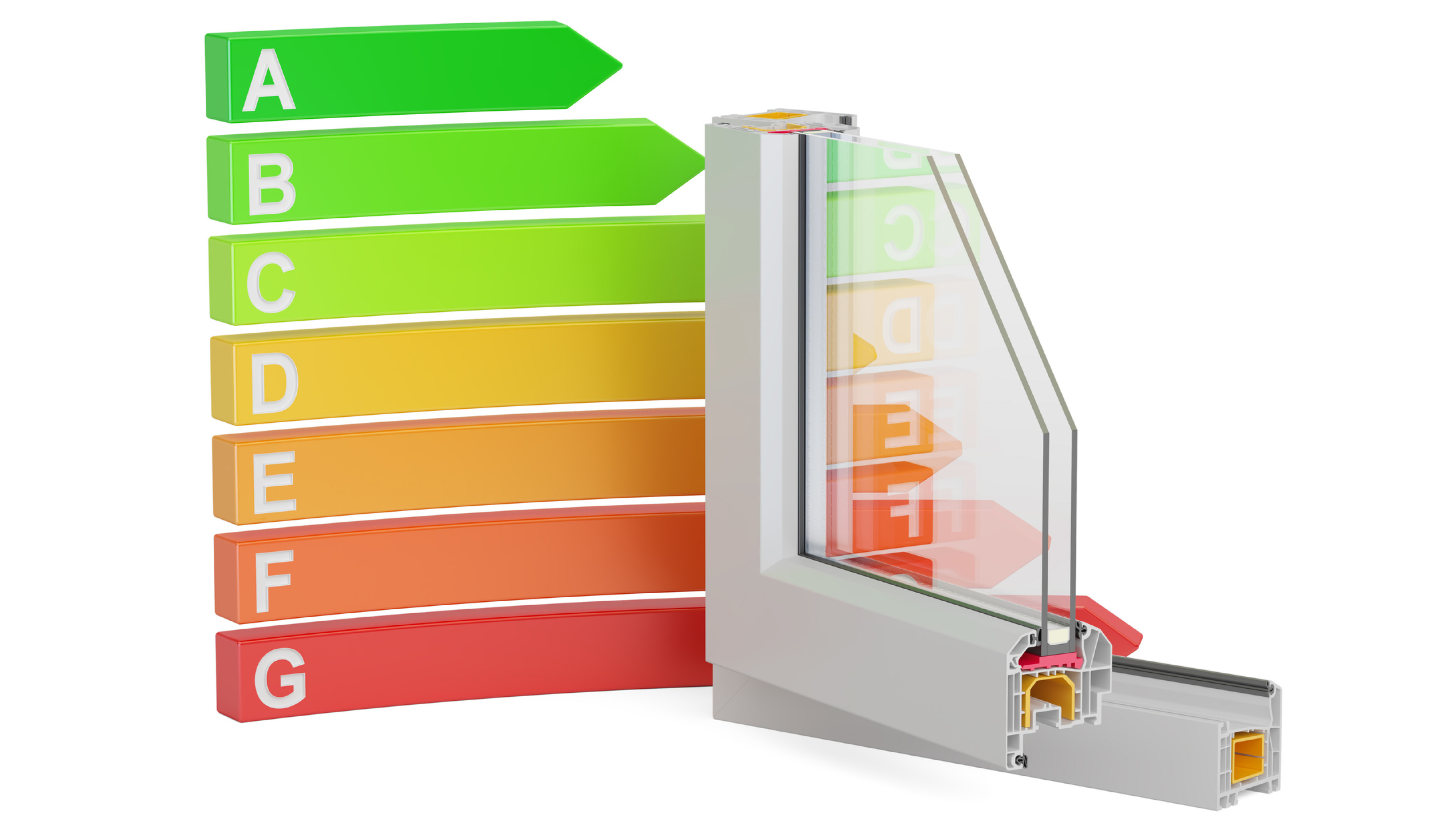
ENERGY STAR sets performance criteria by climate zone, which is why the right glass package in Wisconsin differs from the right one in Florida. Pair that with the Department of Energy's window guidance and you will understand what the ratings on the sticker actually mean before anyone quotes you.
Many utilities and some states add their own rebates on top. We will tell you which products qualify and provide the documentation you need, though we will always point you to your tax professional for the filing itself. An energy efficient window tax credit plus a utility rebate can meaningfully shrink the financed balance.
What a Quality Window Investment Returns Over Time
Properly specified, professionally installed windows return value in three ways: lower heating and cooling loads, decades of durability without callbacks, and a contribution at resale that the Cost vs. Value Report tracks by region for window and entry door replacement.
The homeowners who regret their decision are rarely the ones who spent more. They are usually the ones who financed the cheapest bid and returned to the same project within ten years, paying for it twice.
Plan Your Window Project on Your Own Timeline
Window replacement financing works best when the scope is settled, the terms are in writing, and nobody is rushing you. Phasing the work by elevation or starting with your worst openings is a perfectly legitimate alternative to financing the whole house at once.
When you are ready, request an itemized, no-obligation estimate and review it as long as you need. If you would rather keep researching first, our walkthrough of what a free estimate looks like with our 3D designer shows exactly how we present scope and pricing before any numbers are financed.