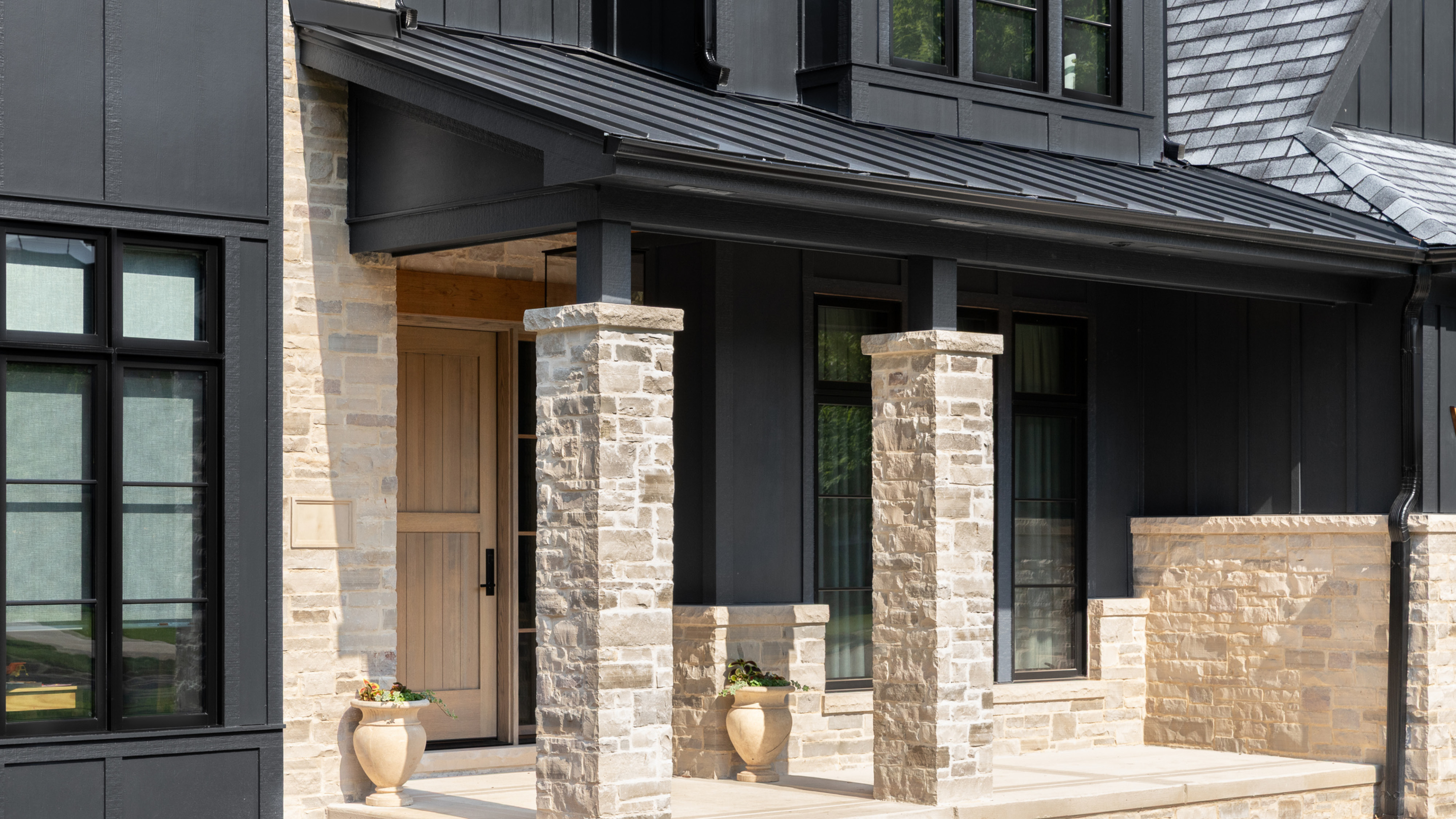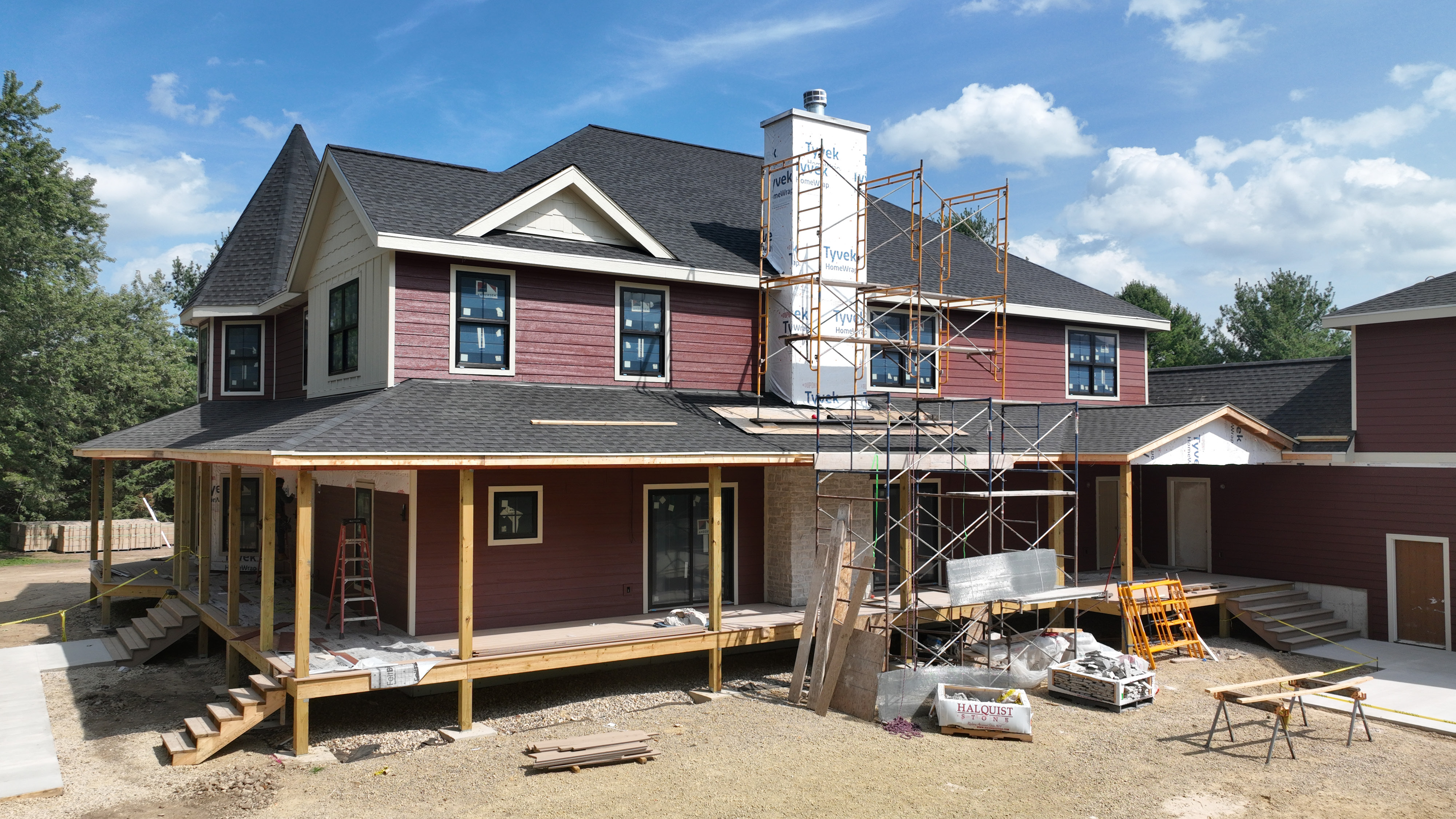
A front door replacement usually starts with picking a style. A color, a glass pattern, a hardware finish. Homeowners spend real time on these choices. Almost none of that time goes toward the part that actually determines how the door performs: the frame it gets set into.
What Actually Happens During Installation
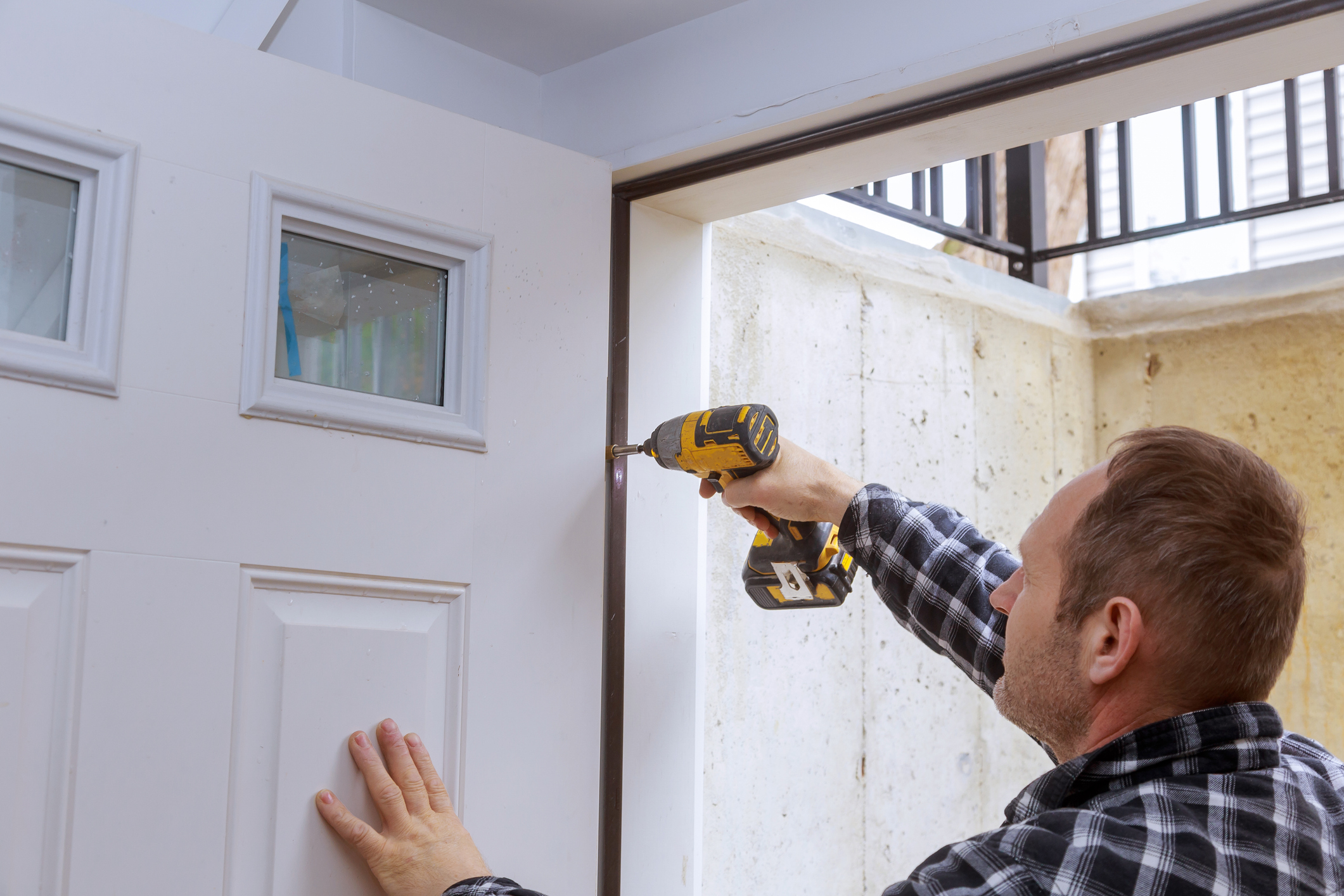
A quality installation starts before the new door ever arrives. The rough opening has to be squared. Even a small gap between the frame and the opening causes air leaks. It also creates weak points that caulk can't fully fix later. The frame gets shimmed and fastened so it stays plumb under the door's weight for years, not just on install day.
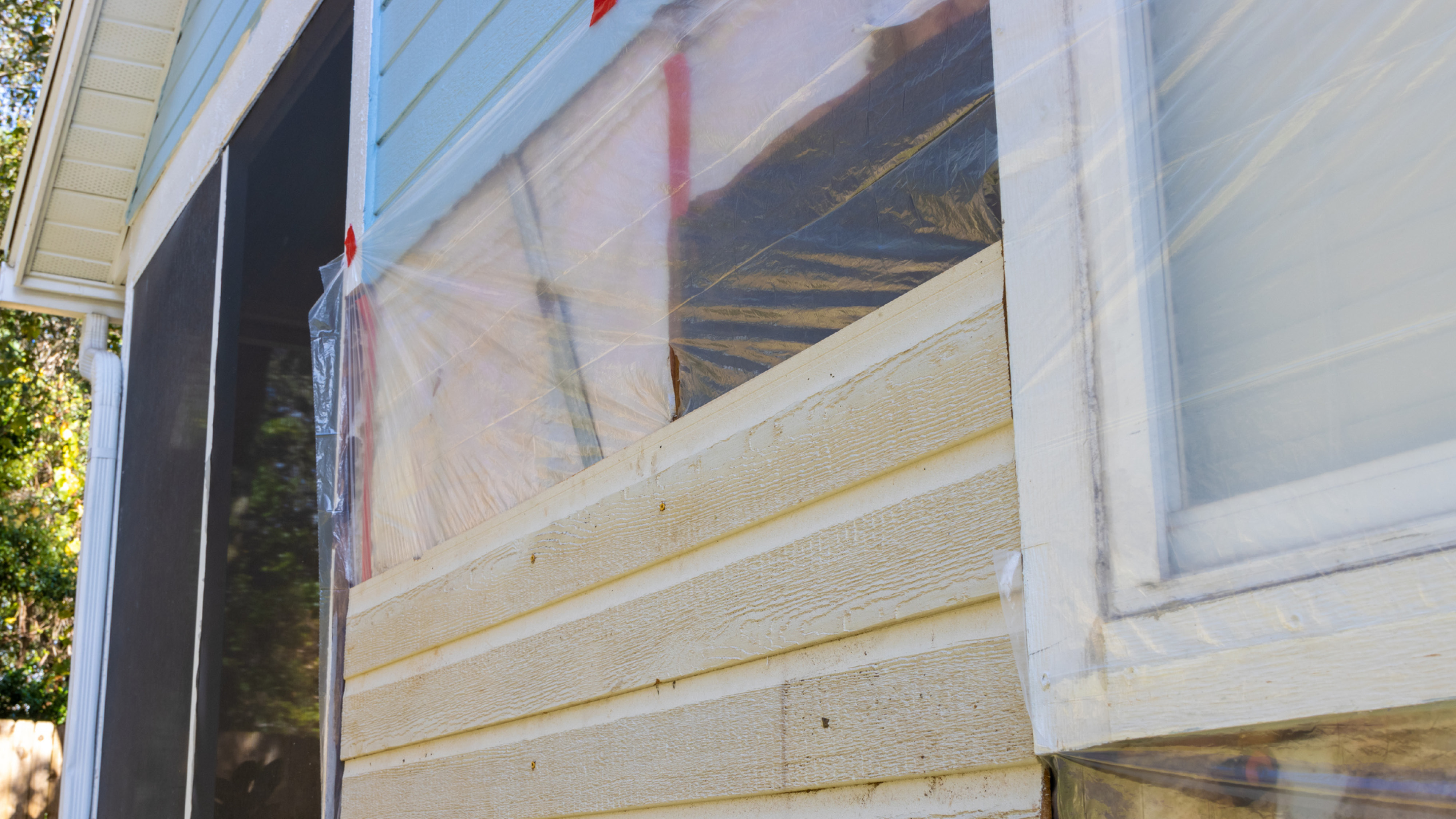
Sealing matters just as much as squaring. A correctly installed door has a weather-resistant barrier built into the wall around it, plus flashing at the top of the frame that sends water away from the opening instead of into it. Skip either step, and the door looks fine for a season or two. Then drafts or moisture show up. Sometimes both.
Why a New Door Doesn't Automatically Beat an Old One
Homeowners often assume a new door outperforms an old one by default. That's only true if the new door goes in correctly. A rough opening that isn't square hurts performance. So does a reveal gap that's too tight or too loose. So does missing flashing. Any of these can leave a brand-new door performing worse than a well-kept older one. Age isn't the real variable. Installation is.
This is also where energy ratings can mislead. A door's ENERGY STAR rating tells you how it performs in a controlled lab test. It doesn't tell you how it'll perform once it's hung in your actual home. That number assumes the installation didn't undercut the door's rated performance in the first place.
What Exterior Door Replacement Actually Requires
An exterior door replacement involves more than swapping the slab. The threshold has to sit level, since a tilted threshold creates a gap on one side even when the door itself is perfectly square. Hinges and strike plates need screws long enough to reach the framing behind the trim, not just the trim itself. Undersized hardware loosens over time, which is often the first sign that seals elsewhere in the installation are also starting to fail.
What to Ask a Door Installation Contractor
Before hiring a door installation contractor, ask how they handle the rough opening. Ask what they use for the weather barrier. Ask how they flash the top of the frame. A contractor who answers with real specifics, not vague reassurance, is more likely to deliver a door that performs the way it's rated to.
Ask about warranty coverage too, on both the product and the labor. Door manufacturers often set installation requirements as a condition of their warranty, similar to how siding and window manufacturers do it. A door installed outside those requirements can void the warranty, even if the door itself was never defective.
Why Entry Door Installation Details Get Overlooked
The details that matter most in entry door installation are the ones you'll never see again once the trim goes back on. The squared opening. The correctly lapped flashing. The sealed perimeter. There's no way to check these later without pulling off trim, which is exactly why choosing the right installer matters more than choosing the right door.
Homeowners comparing quotes often focus entirely on the door brand and price, since that's the part they can compare side by side on paper. Independent lab data from the National Fenestration Rating Council helps with that comparison, but the installation quality is invisible until something goes wrong, which makes it the easiest detail to overlook and the most expensive one to get wrong.
Why This Looks Different by Climate
A door installed in Wisconsin or Illinois deals with real freeze-thaw cycles every winter. A small gap in the weather barrier that seems minor in October can let in moisture that freezes, expands, and widens the gap by spring. Florida's climate creates a different challenge. Constant humidity and driving rain during storm season put more pressure on flashing and sealing than a drier climate would.
What Hardware Choices Actually Affect Security
A front door's security depends on more than the lock brand printed on the box. The strike plate, the small metal piece the deadbolt latches into, needs screws long enough to reach the wall framing behind the door jamb, not just the thin jamb material itself. A strike plate held on with short screws can fail under a single solid kick, regardless of how strong the deadbolt itself is rated to be.
Ask whether your installer uses extended screws at the strike plate and hinges as standard practice, or only as an upgrade. This detail costs almost nothing to include during installation, but it's expensive and disruptive to fix after the fact, once trim and paint are already finished.
Why Glass Panels Change the Installation Requirements
A front door with a glass panel, whether a small window or a larger sidelight, introduces a second sealing challenge beyond the door frame itself. The glass insert has to be sealed to the door slab correctly, and a poorly sealed glass panel can leak independently of the surrounding frame installation, even when the rest of the door was installed perfectly.
If you're choosing a door with a decorative glass panel, ask specifically how that panel gets sealed and whether it's factory-sealed or field-glazed on-site. Factory-sealed units generally offer more consistent performance, since the seal happens under controlled conditions rather than on a ladder in your driveway.
What a Proper Installation Timeline Actually Looks Like
A front door replacement that's rushed to finish in under an hour is a real warning sign, not a convenience. Squaring a rough opening, shimming the frame correctly, and properly integrating flashing and a weather barrier all take real time to do right. A crew moving through these steps too quickly is more likely to skip the parts that matter most, since none of them are visible once the trim goes back on.
Ask how long a typical front door replacement takes from start to finish, and be skeptical of an answer that sounds too fast for the amount of work actually involved. A reasonable installation usually takes a few hours, not a few minutes, even for an experienced crew working as efficiently as possible.
What Ridge Top Provides
Ridge Top Exteriors installs entry doors with attention to the details that determine long-term performance. We square every opening, integrate the weather barrier properly, and flash the frame to send water away, not into it. We explain both product and labor warranty terms before any work begins. You can browse our door services, read homeowner reviews, and see our process page for what to expect from first call to final walkthrough.
Use our instant quote tool to get a starting estimate on your front door replacement, or schedule a consultation with a Ridge Top project consultant to talk through your specific opening and options.