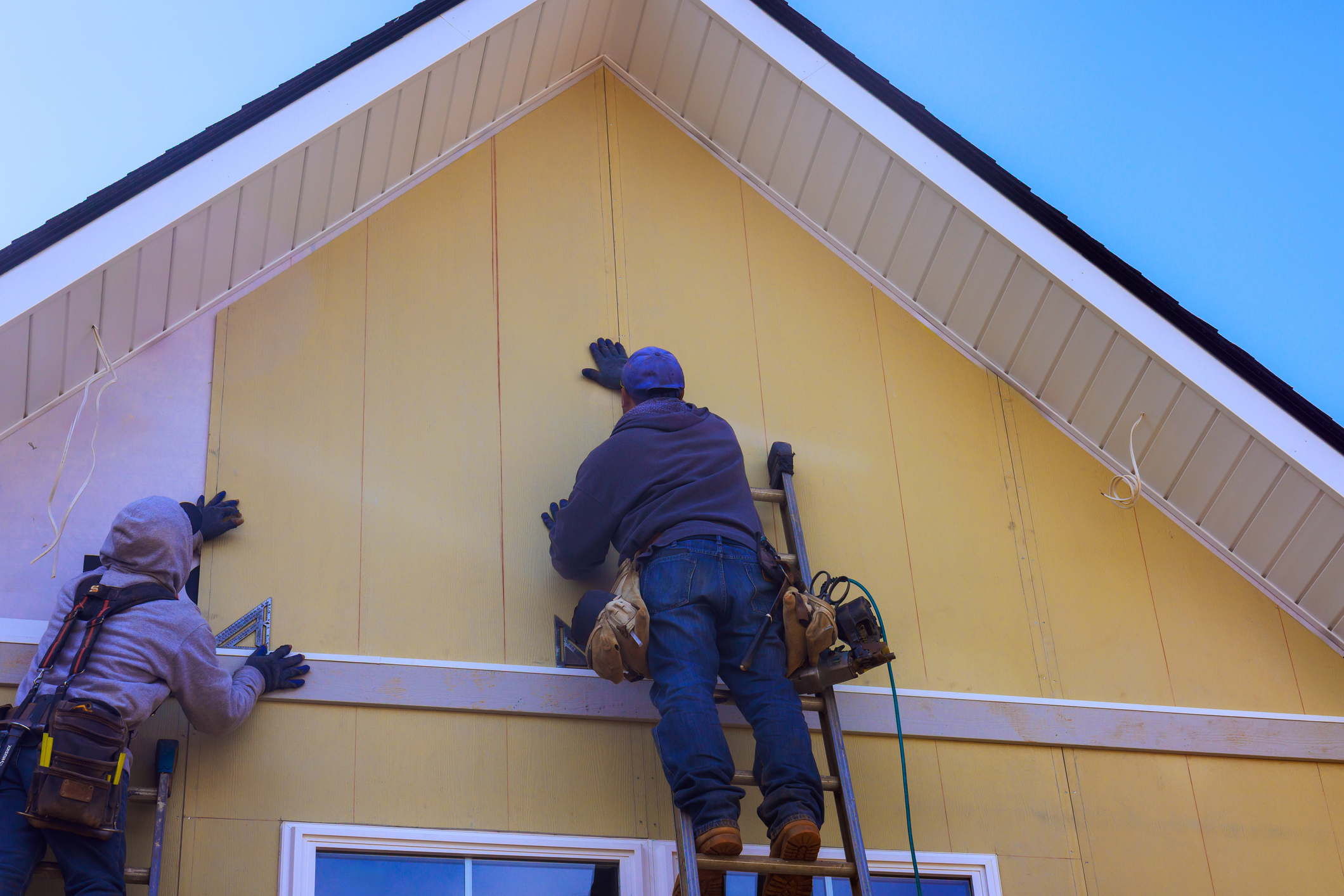
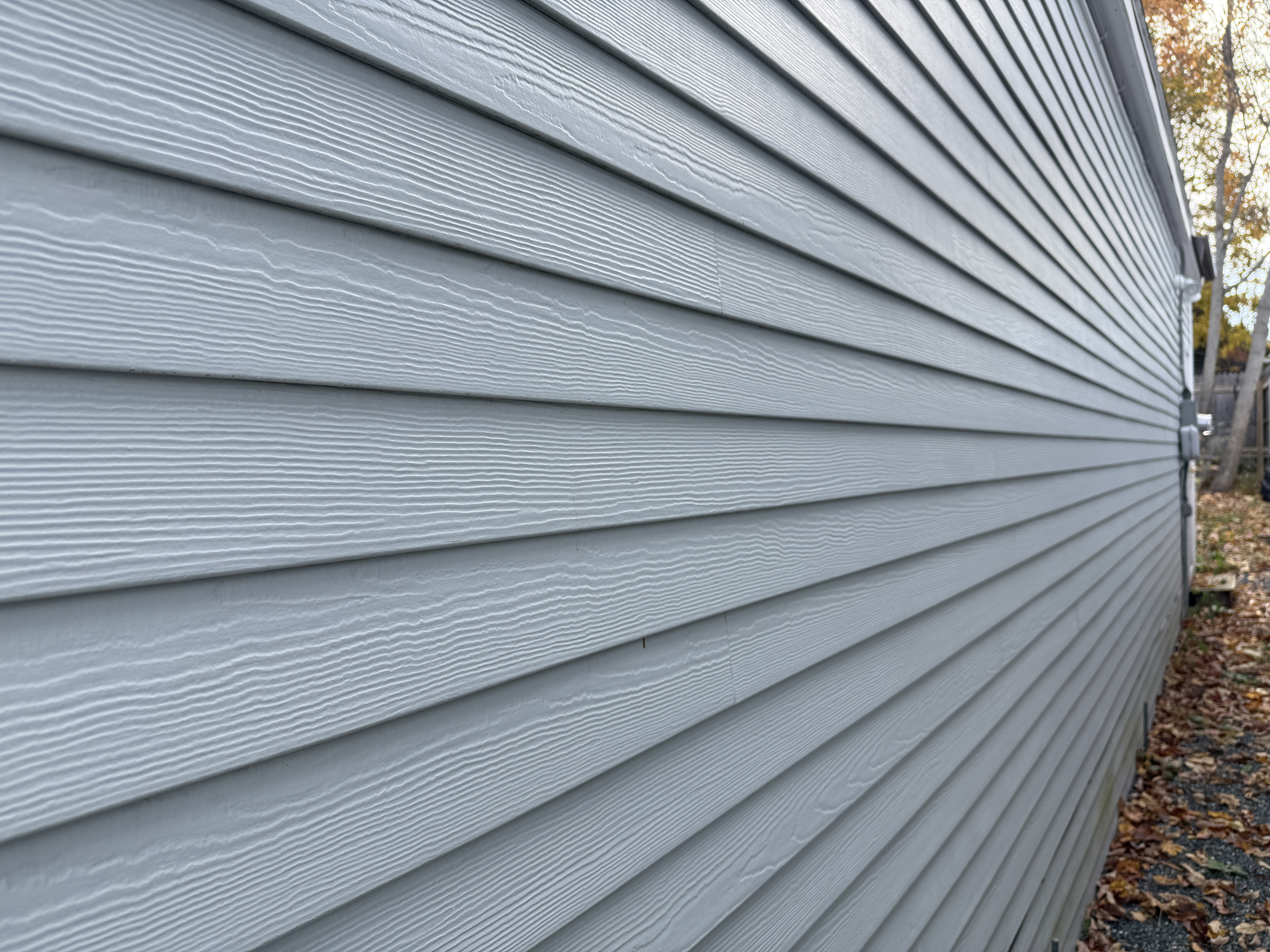
A home siding company should carry four credentials: a current contractor license, general liability insurance, workers' compensation coverage, and manufacturer installer certification. Ask every bidder for all four in writing before you compare prices, then verify each one through your state licensing database and the insurance agent listed on the certificate.
That verification takes about twenty minutes and it is the cheapest filter you have. Price comparisons only mean something once every company on your list has cleared the same bar.
Our position is simple. Those documents should be handed to you at the first meeting without you having to ask. Insurance exists to protect you, the homeowner, not to decorate a contractor's brochure. This guide covers what each document proves, the exact questions to ask, and how to confirm the answers yourself.
Why Credentials Matter More Than the Quote
The most expensive siding problems are not cosmetic. They are injury claims that land on your homeowner's policy, abandoned projects with no legal recourse, and warranty denials traced back to an installer who was never certified to touch the product.
This is also the federal government's advice, not just ours. The Federal Trade Commission's guidance on avoiding home improvement scams tells homeowners to consider only contractors who are licensed and insured, to confirm the license with state or county government, and to ask the contractor directly for proof of insurance.
A low bid often looks low because something was left out. Sometimes it is flashing or house wrap. Sometimes it is insurance. When a crew works uninsured on your property, the savings are not savings at all. You have simply absorbed the risk the contractor chose not to carry.
There is a quieter signal here too. A company that keeps clean, current paperwork tends to keep clean job sites, accurate timelines, and honest change orders. How a contractor handles documentation at the start tells you a great deal about how they will handle a surprise behind the old siding.
The Four Documents Every Home Siding Company Should Provide
Ask for all four together. Any legitimate home siding company can produce them in a single email, usually the same day. If you want to see what a complete set looks like before you meet anyone else, you can request our documentation and use it as a benchmark. Here is what each one actually proves.
Contractor License: Proof the Business Is Registered to Work
A contractor license shows the company is registered with the state or city that governs exterior work in your area. Requirements vary more than most homeowners expect.
In Wisconsin, there is no general contractor license as such. Residential work runs through a Dwelling Contractor credential issued by the Department of Safety and Professional Services, with a separate Dwelling Contractor Qualifier credential held by an individual at the company. You can search both in the state's credential and license lookup.
In Illinois, there is no single statewide registry for exterior remodeling. Registration happens city by city, so you confirm it with the municipality where your home sits. In Florida, the Department of Business and Professional Regulation runs a public verify a license portal that shows license type, status, expiration, and disciplinary history.
Ask for the license number and the exact legal name on the license. A number alone is not enough, because the name on the license and the name on your contract need to match.
General Liability Insurance: Coverage for Damage to Your Property
General liability covers damage the crew causes to your home or your neighbor's property. A scaffold through a bay window, a nail gun through a water line, a dropped panel on a parked car. Without it, your only path to repair is suing a company that may have no assets.
Ask for the coverage limit, not just confirmation that a policy exists. Then compare that limit to the value of your project and your home.
Workers' Compensation: Protection If Someone Is Injured on Your Property
Siding work happens on ladders and lifts. If an uninsured worker falls on your property, the medical costs and lost wages can be pursued through your homeowner's policy, and that claim can follow you through premium increases for years.
Workers' compensation moves that risk back where it belongs. This is also why you should ask whether crews are direct employees or subcontractors. Subcontracted labor is fine when every person on site is covered and accountable under the same documented standards. It becomes a problem when nobody can tell you who insures the three people working on the south wall.
Manufacturer Installer Certification: What Keeps Your Warranty Valid
Licensing and insurance say nothing about whether a crew knows how to install your specific product. Manufacturers run their own training and certification networks for exactly that reason, which is why certification is part of how we scope every siding replacement project.
James Hardie rebuilt its contractor program in early 2025 and renamed it the James Hardie ALLIANCE. Its contractor locator lets you type in a company name and confirm whether they are actually in the network. LP keeps a similar preferred contractor locator for LP SmartSide installers.
Here is the part most homeowners miss. LP states plainly that its limited warranty applies to the product and does not cover the work performed by contractors or the installation itself. The product warranty and the labor warranty are two separate promises from two separate parties. Ask which certifications the company holds, for which product lines, and whether they are current. If you want ours in writing alongside the manufacturer's, ask us for our written warranty coverage so you know exactly who stands behind what.
Questions to Ask Before You Sign
Use the same list with every bidder. Consistency is what makes the comparison useful, and the answers tend to sort companies faster than the prices do.
- What is your license number, and what legal name is it issued under?
- Who personally holds the license, and are they involved in daily operations?
- Can you send a certificate of insurance directly from your agent or insurer, listing my address as the project?
- What are your general liability limits, and do they cover the full scope of this job?
- Do you carry workers' compensation for every person who will be on my property?
- Are your crews employees or subcontractors, and how do you verify subcontractor coverage?
- Which manufacturer certifications do you hold, and are they current for the product you quoted?
- Who pulls the permit, and who meets the inspector?
- What is the written warranty on labor, separate from the product warranty?
- What are your payment terms, and what deposit is required before materials arrive?
Pay attention to tone as much as content. A company that answers these calmly and in writing is showing you how it will communicate during the project. Hesitation, deflection, or mild offense is information too. You are welcome to send this list to us and compare our answers against the others on your shortlist.
How to Verify the Answers Yourself
Trust the documents, then confirm them independently. Knowing how to verify a contractor license takes one search and one phone call.
Start with the license. Wisconsin homeowners can run the company and individual names through the DSPS credential search and check both the status and the renewal date. Illinois homeowners should call or search the specific municipality, since a company registered in one community may not be registered in yours. Florida homeowners can use the DBPR license verification tool and read the complaint history while they are there.
Know what the license search does not tell you. A current license confirms standing with the state. It says nothing about whether insurance is active today or whether the coverage fits your project. That is a separate check.
So read the certificate of insurance properly. It should arrive from the insurer or the agent, not as a forwarded phone screenshot. Check the named insured against the contract name, check the effective and expiration dates against your project schedule, and look for your property listed as the job location. Then call the agent on the certificate and ask one question: is this policy active today?
Confirm certifications at the source by searching the company name in the James Hardie contractor locator or the LP SmartSide contractor locator, depending on the product you are buying. Finally, save everything. Keep a folder with the certificates, the license screenshots, the dated emails, and notes from your agent call. If a dispute ever arises, that record is the difference between a conversation and a claim.
Red Flags That Should End the Conversation
Some answers are not negotiation points. They are exits. If you see these, thank them for their time and move to the next bidder.
- Cash-only pricing or a discount for paying outside normal channels
- No written contract, or a one-page estimate presented as a contract
- Refusal to share a license number, or a number that does not appear in the state or city database
- A large upfront deposit demanded before materials are ordered or scheduled
- A certificate of insurance with expired dates, or one that never arrives from the agent
- Vague answers about who is actually on the crew and who insures them
- Pressure to sign today to hold a price
That deposit question is worth checking locally. The FTC points out that some states limit how much a contractor may ask for as a down payment, and recommends contacting your state or local consumer agency to learn the rule where you live. It also advises never making the final payment until the work is finished and you are satisfied with it.
Licensed and insured siding contractor is a phrase that costs nothing to print on a truck. The documents behind it are what matter, and a company that cannot produce them has already answered your question.
Make Paperwork the First Filter, Not the Last
Screening credentials before you compare numbers protects your home, your insurance history, and your warranty. It also shortens the process, because the companies worth your time make it easy and the rest disqualify themselves early.
We believe a home siding company should hand you its license, liability certificate, workers' compensation proof, and manufacturer certifications at the first meeting, before you think to ask. That is the standard we hold ourselves to on every project across our siding and wall systems work, including soffit and fascia installation.
If you would rather keep learning before you talk to anyone, our guide to what happens during a free siding estimate walks through how we show color combinations in 3D before any numbers come up. When you are ready, you can schedule a no-pressure consultation and we will bring the license, the certificates, and the certifications with us.