What Homeowners Need to Know About Insurance Claims Roofing
Insurance claims roofing is the process of filing a claim with your homeowners insurance to cover the cost of repairing or replacing a storm-damaged roof. Here's a quick overview of how it works:
How to file a roof insurance claim (quick steps):
- Document the damage - Take photos and videos from the ground
- Contact your insurer - Report the damage as soon as possible
- File the claim - Submit your documentation and proof of loss
- Arrange for temporary repairs - Hire a professional to tarp the roof; save all receipts
- Meet the adjuster - Have a roofing contractor present if possible
- Review the settlement - Negotiate if the offer seems too low
- Hire a licensed contractor - Complete approved repairs and close the claim
The numbers behind roof damage are staggering. In 2024, roof repair and replacement costs across the U.S. reached nearly $31 billion - a 30% jump since 2022. Wind and hail alone drove more than half of all residential roofing claims that year. Whether a storm just rolled through your neighborhood or you're seeing signs of damage you can't explain, knowing how the claims process works can be the difference between a fully covered repair and an expensive out-of-pocket bill.
This guide walks you through everything - from understanding what your policy actually covers, to documenting damage, working with adjusters, and choosing the right contractor.
I'm Carter Joyce, Director of Marketing at Ridge Top Exteriors, where I've spent over 5 years helping thousands of homeowners navigate insurance claims roofing across Wisconsin, Illinois, and Florida. I've seen what separates approved, fully-covered claims from denied ones - and this guide reflects those real-world lessons.
Glossary for insurance claims roofing:
Understanding Insurance Claims Roofing and Covered Damage
When we talk about insurance claims roofing, the first question is always: "What is actually covered?" Most standard homeowners insurance policies are designed to protect you against sudden and accidental losses. This means events outside of your control that cause immediate damage to your home’s structure.
Common Covered Perils
According to the Insurance Information Institute, the following "perils" are typically covered:
- Wind and Hail: These are the heavy hitters. High winds can lift shingles, breaking their water-tight seals, while hail damage can leave "bruises" or dents that knock away protective granules.
- Fire and Lightning: Sudden strikes or neighborhood fires that damage your roof are standard inclusions.
- Falling Objects: If a heavy tree limb crashes onto your roof during a storm, that is usually a covered event.
- Vandalism: While rare for roofs, intentional damage caused by third parties is typically covered.
The $31 Billion Surge
The cost of severe weather is rising. In 2022, U.S. roof damage claims totaled approximately $29 billion; by 2024, that number soared to nearly $31 billion. This 30% increase is driven by the rising frequency of "convective storms"—those nasty combinations of wind, hail, and torrential rain we often see in the Midwest and Florida.
What is Usually Excluded?
It is a common misconception about roof repair claims that insurance is a "maintenance plan." It isn't. Carriers generally exclude:
- Wear and Tear: If your shingles are simply 30 years old and falling apart, insurance won't pay for a new roof.
- Neglect: If a small leak was ignored for years and turned into a major rot issue, the claim may be denied.
- Cosmetic Damage: Some newer policies exclude damage that looks bad (like minor hail dings on a metal roof) but doesn't affect the roof's ability to shed water.
Step-by-Step Guide to the Roof Insurance Claim Process
Navigating a claim can feel like a full-time job, but breaking it down into steps makes it manageable. We recommend following this complete guide to storm damage repair to ensure nothing falls through the cracks.
1. Safety and Temporary Repairs
Your first priority is safety. Never climb onto a damaged roof yourself; it is extremely dangerous and can lead to life-altering injuries. Instead, document what you can from the ground. If you have active leaks, you have a "duty to mitigate" further damage. However, you should always hire a professional to perform temporary repairs like tarping. Attempting DIY repairs not only risks your physical safety but can also void your roofing material warranties or lead to claim denials if the work is performed incorrectly. Save all receipts from professional mitigation services for reimbursement.
2. Contacting the Insurer
Report the loss promptly. Many carriers now offer modern ways to start the process; for example, you can use the State Farm mobile app to file online. When you call, ask about your deductible and whether your policy is Replacement Cost or Actual Cash Value (more on that later).
3. The Assignment of Claim (AOC)
Some contractors may ask you to sign an Assignment of Claim (AOC) form. This allows the contractor to speak directly with your insurance company and adjuster. While this can streamline the process, ensure you are working with a reputable company you trust before signing.
4. Adjuster Meeting and Settlement
The insurance company will send an adjuster to inspect the damage. It is highly beneficial to have your roofing contractor present during this meeting to ensure the "scope of work" is accurately captured. Once approved, you'll receive a settlement offer and can begin the best practices for filing a claim to get the work scheduled.
Documenting Damage and Navigating the Adjuster Inspection
Documentation is the "evidence" in your case. Without it, an adjuster might underestimate the damage.
Evidence You Need
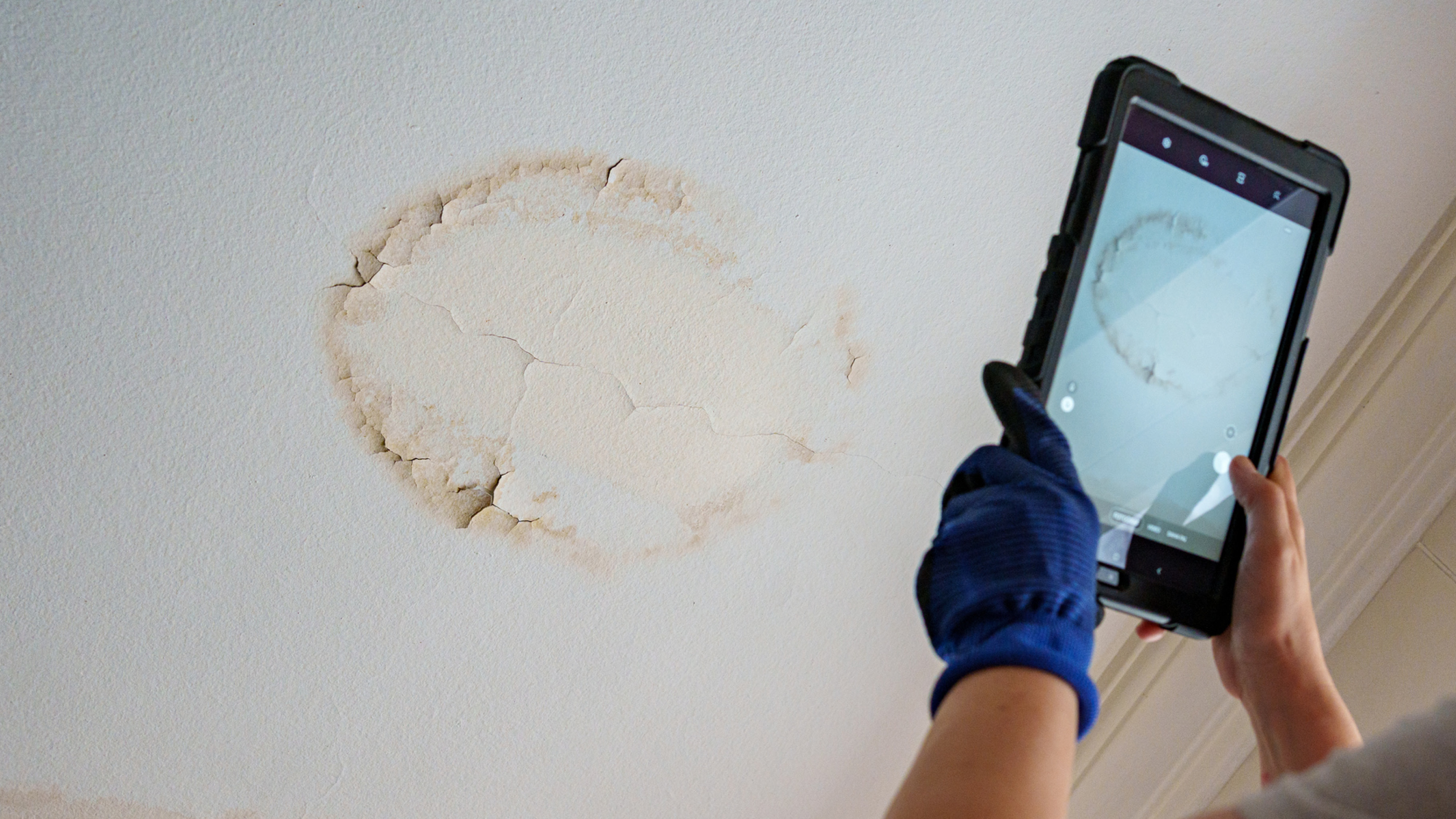
- High-Resolution Photos: Capture images of the roof from the ground, any fallen debris, and especially interior damage like ceiling stains or attic leaks.
- Video: If it's safe, a quick video of the storm (like hail hitting the deck) can help establish the date and severity of the event.
- Professional Inspection Report: This is where the role of a professional roof inspection becomes vital. A certified contractor knows how to spot "bruising" on shingles that an untrained eye might miss.
State "Matching" Requirements
One of the most complex parts of insurance claims roofing is "matching." If only 25% of your roof is damaged, but those shingles are no longer manufactured, does the insurance company have to replace the whole roof so it matches?
- In states like Florida, statutes often require insurers to replace undamaged items to create a "reasonably uniform appearance."
- Other states we serve, like Wisconsin and Illinois, have specific regulations or "Fair Claims" acts that may influence how matching is handled.
- For more details on these rights, residents in certain areas can refer to the California Residential Property Claims Guide for a general understanding of how these consumer protections often work across the country.
At Ridge Top Exteriors, we specialize in providing insurance claim help and documentation to make sure every "supplement"—or hidden damage found later—is accounted for and covered.
Replacement Cost (RCV) vs. Actual Cash Value (ACV) for Roofing
Replacement Cost Value (RCV)
- Payout Basis: Cost to buy a brand‑new roof today
- Out-of-Pocket: Just your deductible
- Payment Style: Usually two checks (initial plus recoverable)
Actual Cash Value (ACV)
- Payout Basis: Depreciated value based on roof age
- Out-of-Pocket: Deductible plus the “depreciation” gap
- Payment Style: Usually one check
The "Age" Factor
If you have a 20-year-old roof and an ACV policy, the insurance company might only pay you 30% of what a new roof costs because the old one was near the end of its life. If you have RCV, they pay the full amount (minus your deductible). For a deeper dive, check out the replacement cost vs actual cash value explained by the Department of Insurance.
Deductibles
Most storm claims involve a deductible. This can be a flat fee (like $1,000) or a percentage (1%–5%) of your home’s total "Coverage A" value. If your home is insured for $300,000 and you have a 2% wind/hail deductible, you are responsible for the first $6,000 of the repair. This is why a guide to roof damage insurance claims is so important—you need to know these numbers before the storm hits.
Choosing a Contractor for Insurance-Approved Repairs
After your claim is approved, the real work begins. Beware of "storm chasers"—unlicensed contractors who flood a neighborhood after a storm, offer "free roofs," and then disappear.
Why Factory-Certified Matters
We are a GAF factory-certified contractor. This means we have undergone GAF storm restoration training for professionals and can offer warranties that other roofers simply can't. For example, our GAF Golden Pledge Warranty can provide up to 50 years of coverage.
Asphalt Shingles vs. Alternatives
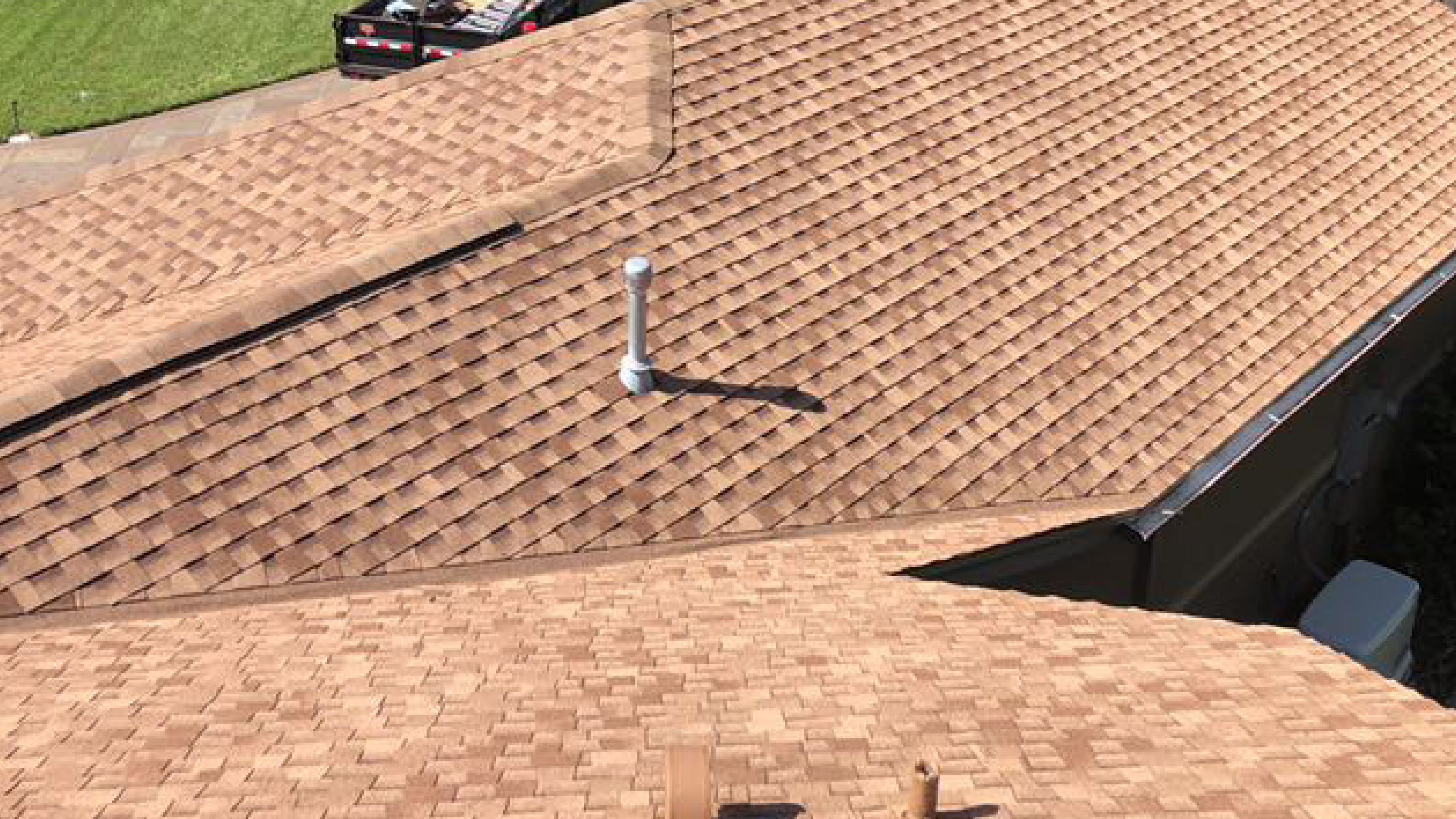
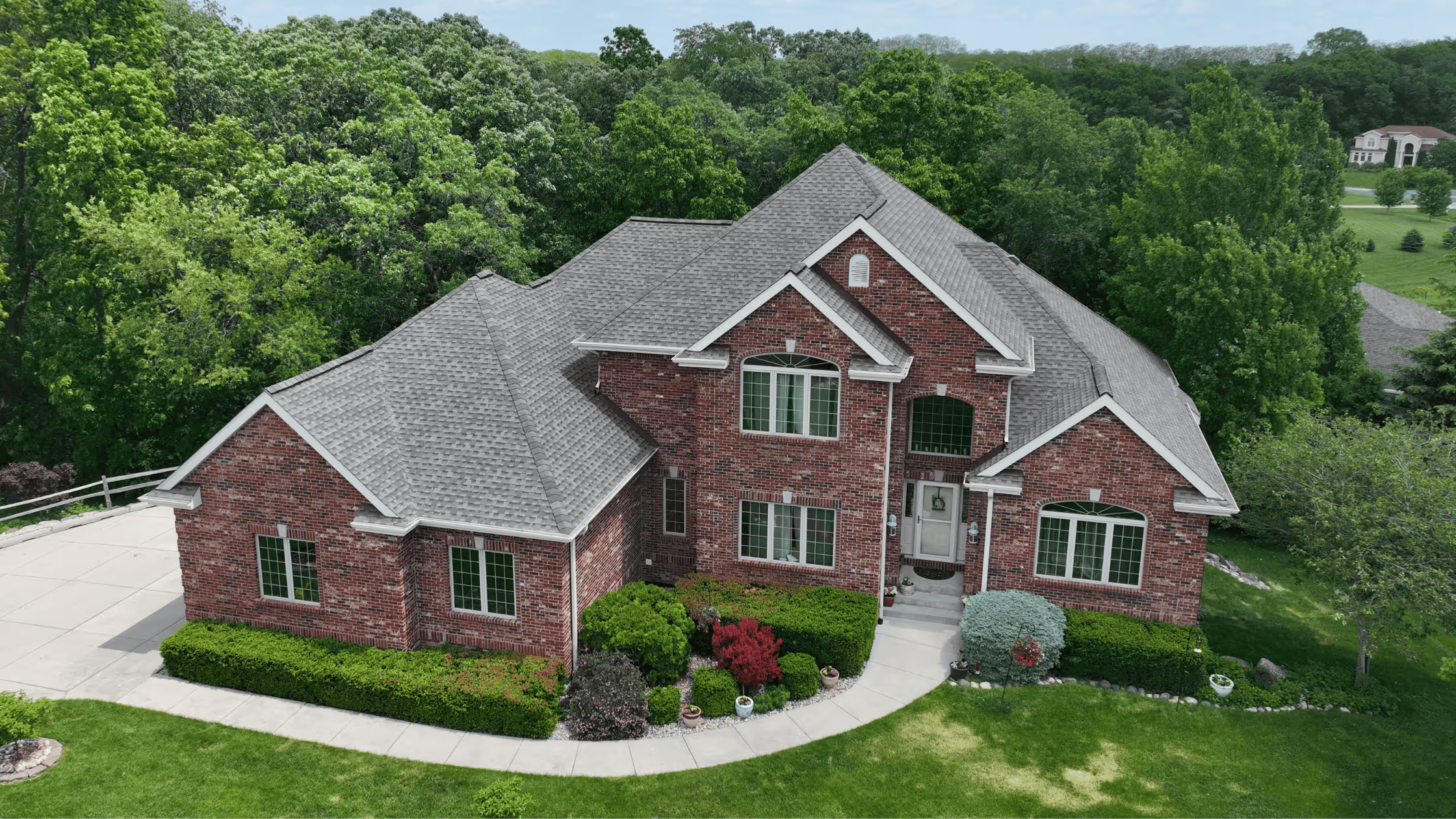
For most homeowners in the Midwest and Florida, GAF asphalt shingles are the superior choice. They offer:
- Impact Resistance: Better protection against hail.
- Wind Ratings: Designed to stay put in high-velocity hurricane zones.
- Curb Appeal: A massive variety of colors and styles.
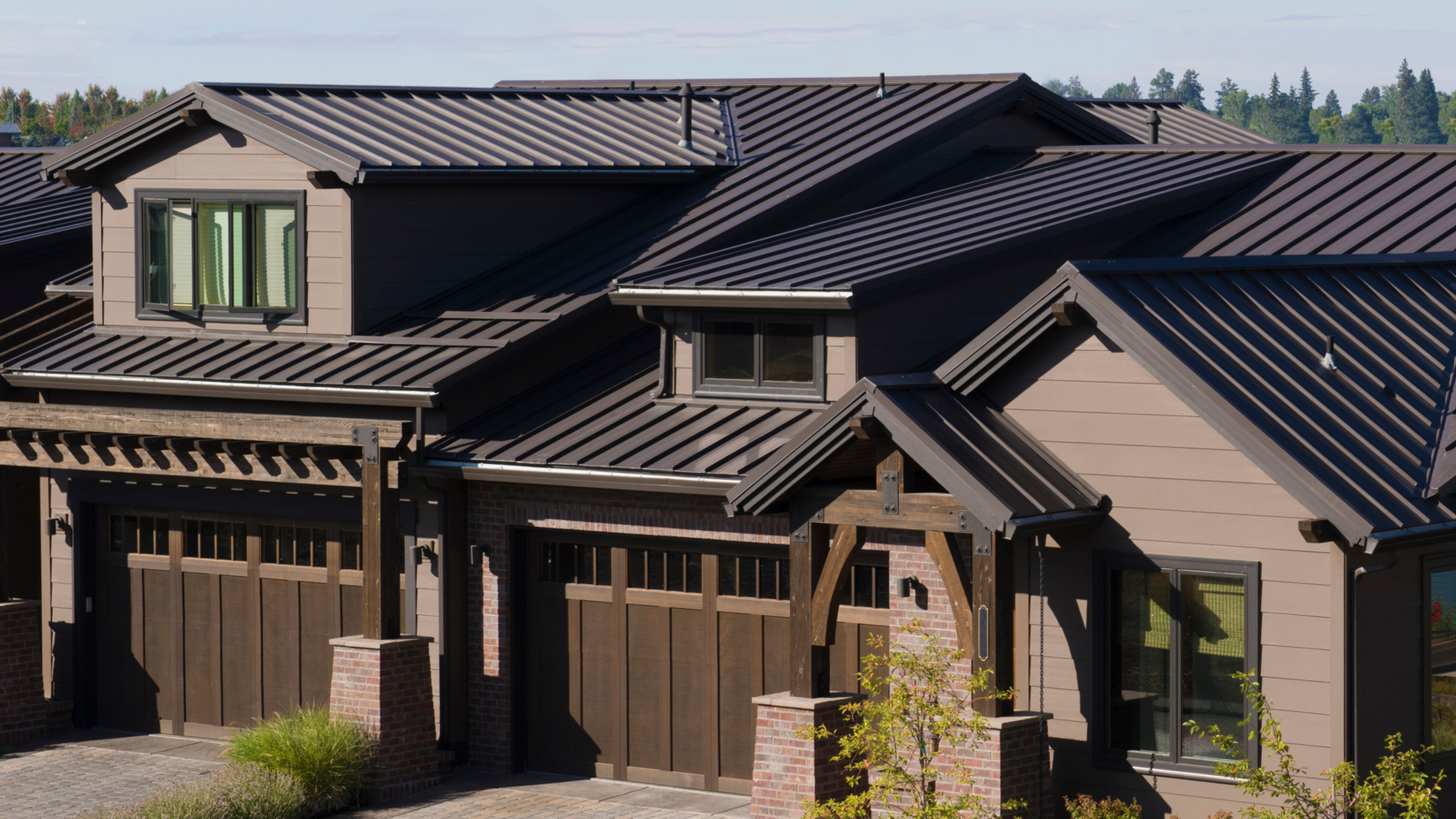
While we offer GAF TimberSteel metal roofing exclusively in Clearwater, FL, asphalt shingles remain the gold standard for value and durability across Madison, Milwaukee, and Gurnee. When finding reputable hail damage roofing companies, always look for local roots and verified reviews.
Maximizing Your Claim and Preventing Future Damage
A roof claim is a great time to upgrade your home’s resilience. In some cases, these upgrades can even lower your future insurance premiums.
The FORTIFIED Roof™
The IBHS (Insurance Institute for Business & Home Safety) developed the FORTIFIED standard to help roofs survive 130 mph winds and heavy hail. In many states, FORTIFIED home incentives and insurance discounts are available to homeowners who choose this higher standard of installation.
Impact-Resistant Shingles
Ask us about UL 2218 Class 3 or Class 4 impact-resistant shingles. These are designed to withstand larger hailstones without cracking. Many insurance carriers offer significant premium credits for installing these materials.
Proactive Maintenance
The best way to handle a claim is to prevent the damage in the first place.
- RoofCare+: Our program includes gutter blow-outs and regular inspections to catch small issues before they become "neglect" in the eyes of an insurer.
- Tree Trimming: Hire professional arborists to keep limbs at least 10 feet away from your roof. Attempting to trim large branches yourself near your home is hazardous and can cause accidental structural damage that insurance may not cover. Refer to best practices for maintaining your home exterior for more on professional upkeep.
- Code Upgrades: A NIST study on roof vulnerability highlights how modern building codes (like better underlayment) can save a home from disaster.
Frequently Asked Questions about Roofing Claims
Should I contact my insurance company or a roofing contractor first for insurance claims roofing?
We recommend contacting a reputable roofing contractor for a free inspection first. Why? Because if there isn't enough damage to exceed your deductible, filing a claim can actually hurt you. An "unfounded claim" stays on your CLUE (Comprehensive Loss Underwriting Exchange) report and can cause your premiums to rise even if the insurance company pays out $0. A professional can help you learn how to make an insurance claim for roof damage only when it truly makes financial sense.
What if my insurance claims roofing request is denied?
Don't panic. Denials happen, and you have appeal rights. You can request a "re-inspection" with a different adjuster, hire a public adjuster to represent you, or seek a second opinion from another contractor. Many common reasons for denied claims—like "age" or "lack of maintenance"—can be challenged if you have a professional inspection report proving the damage was caused by a specific storm event.
How does roof age or prior maintenance affect my claim approval?
Roof age is a major factor. If your roof is past its average life expectancy, the insurer might argue that the damage was inevitable due to wear and tear. This is why many carriers are moving toward ACV settlements for roofs over 15 or 20 years old. Regular maintenance records are your best defense, as they prove the roof was in good condition prior to the storm.
Conclusion
Dealing with insurance claims roofing doesn't have to be a nightmare. By understanding your coverage, documenting every detail, and partnering with a trusted expert, you can restore your home to its best condition with minimal stress.
At Ridge Top Exteriors, we’ve been the trusted name in home improvement since 2002. With over 45,000 satisfied homeowners and a 98% satisfaction rating, our teams in Wisconsin, Illinois, and Florida are ready to help you navigate the process. We provide factory-certified GAF asphalt shingle installations and industry-leading warranties to ensure your new roof lasts for decades.
Ready to get started?Contact us for a free insurance claim consultation or get an instant quote online today. Let us help you protect your most valuable asset!