A window's rating comes from a lab. Not your house. That single fact explains why two homeowners can buy the exact same window and end up with two very different results after residential window installation. The rating tells you what the product can do under ideal conditions. It says nothing about the installation that actually determines whether you get anywhere close to that number in real life.
What the Lab Rating Actually Measures
Every rated window gets tested by the National Fenestration Rating Council. That's an independent group. They measure specific performance numbers under controlled conditions. The U-factor measures how well a window resists heat flow. The lower the number, the better it insulates. The solar heat gain coefficient measures how much heat from sunlight passes through the glass.
Both numbers come from a window installed exactly to spec, in a lab, with no gaps and no shortcuts. That's very different from a rough opening in an actual home. Especially one that's slightly out of square or missing part of its weather barrier.
Where Installation Quietly Undercuts the Rating
A rough opening that isn't square is one of the most common ways a rated window underperforms during home window installation. Even a small gap between the frame and the opening lets air through. It also creates a weak point that caulk can't fully fix later. The window then gets shimmed and fastened. If that's done carelessly, the frame won't stay plumb for long. The American Architectural Manufacturers Association publishes specific installation standards addressing exactly this kind of squaring and sealing detail.
Sealing matters just as much as squaring. A correctly installed window has a weather-resistant barrier built into the wall around it. It also needs flashing that sends water away from the opening, not into it. Skip either step, and the window looks fine for a season or two. Then drafts or moisture show up.
Two Identical Windows, Two Different Results
Two homes can install the exact same window, from the exact same manufacturer. They can end up with completely different real-world performance. The window itself didn't change. The installation did. This is why ENERGY STAR reports on certified window performance always come with a caveat. The reported energy savings assume a correct installation, not just a correct product.
A homeowner comparing quotes based purely on the window's rating is only seeing half the picture. The other half, arguably the more important half, is invisible until something goes wrong. Nail placement. Shim spacing. Flashing overlap. All of it happens behind trim that gets covered up within hours.
Why Energy Bills Are the First Sign Something's Wrong
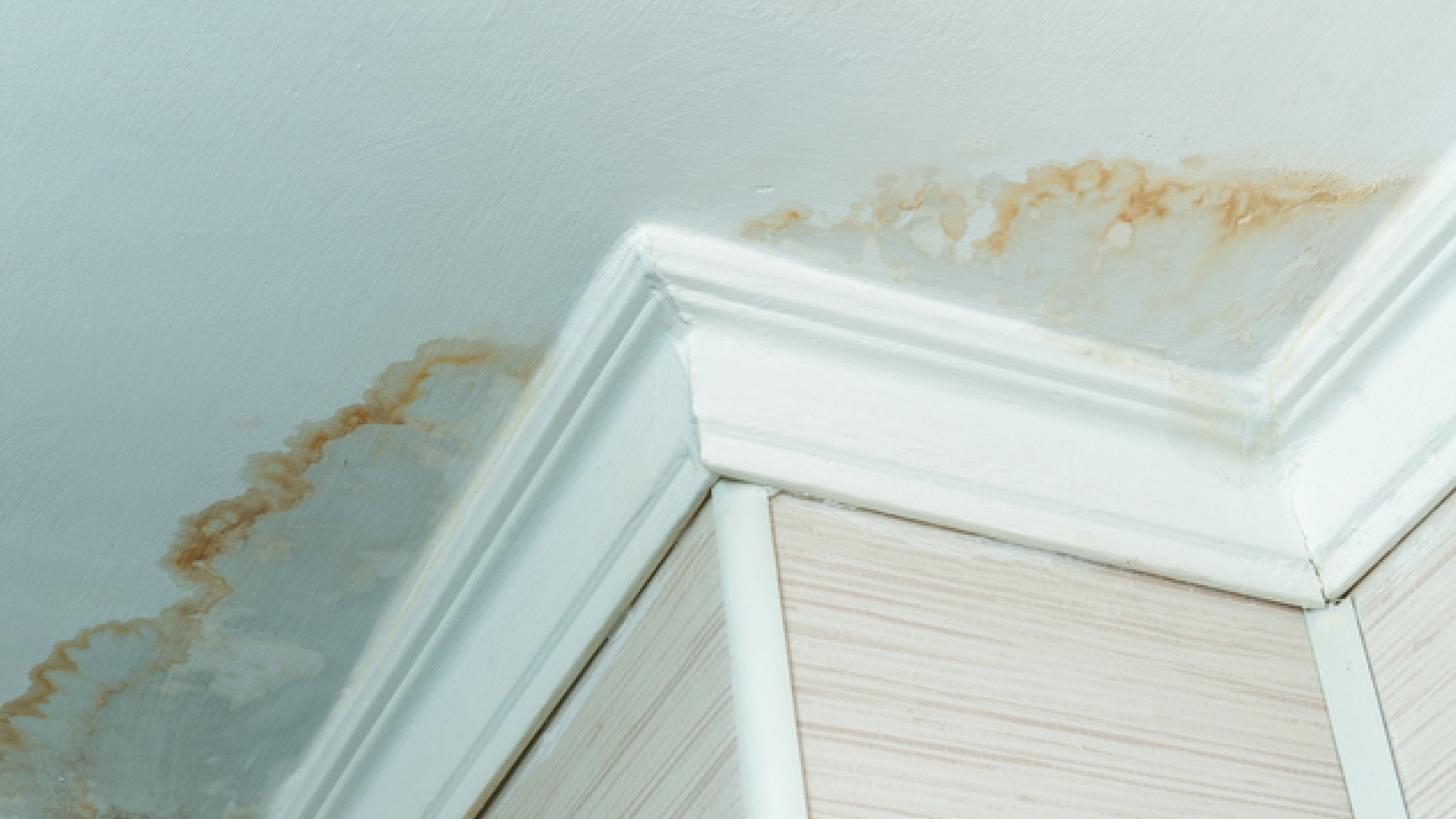
A poorly installed window rarely fails all at once. Homeowners usually notice a slow creep in their energy bills instead. Or a draft near one specific window on windy days. Or condensation forming between panes that shouldn't be there. Each of these is a symptom of an installation problem. Not a defective window.
Tracking energy bills for a few months after residential window installation is one of the simplest ways to catch a problem early. Before it turns into a bigger repair. A noticeable jump compared to the same month the previous year is worth investigating. Especially if only one or two windows were replaced rather than the whole house.
What to Actually Verify Before Hiring
A window installation contractor should be able to answer a few specific questions without hesitation:
- How they handle the rough opening on an older home, since older framing is rarely perfectly square
- What weather barrier product they use and how they integrate it with the existing wall
- How they flash the top of the window, since this is one of the most commonly skipped steps on a rushed job
- What their warranty terms actually require to stay valid, since many window manufacturers set installation requirements as a condition of coverage
A contractor who answers these questions with real specifics is more likely to deliver a window that performs close to its rated numbers. Vague reassurance is a red flag.
Why Older Homes Need Extra Attention
Home window installation on an older property often involves rough openings that have shifted slightly over decades of settling. A window installer working on a home built in the 1960s or earlier needs to account for this. Not assume a modern, perfectly square opening. Skipping this step is one of the more common reasons a quality window still underperforms once installed in an older frame.
Ask whether your installer plans to re-square the opening if it's out of level. Ask what that process actually involves. This detail rarely comes up unless you ask directly. But it can be the difference between a window that performs to its rating and one that doesn't.
Why This Matters More in Every Market Ridge Top Serves
Wisconsin and Illinois homes see real temperature swings. That stresses a poorly sealed window twice a year. Once as the weather turns cold, and again as it warms back up. Florida homes deal with constant humidity that can seep through a weak seal even without a big temperature swing to blame. In both cases, installation quality determines how much of that stress actually reaches the interior of the home.
What Makes This Different From Just Buying a Good Brand
Homeowners sometimes assume that choosing a well-known window brand solves the performance question on its own. It doesn't. A premium brand installed poorly can underperform a mid-tier window installed correctly. The brand name tells you about the manufacturing quality. It tells you nothing about the crew putting it into your wall.
This is exactly why asking about installation process matters as much as asking about brand and rating. A window installation contractor confident in their process will walk through these details without hesitation, since they've answered these questions many times before.
What a Site Visit Reveals That a Phone Quote Never Will
A company willing to send someone to physically measure your home before quoting a firm price is showing you something a phone estimate can't. Rough opening dimensions, wall thickness, and existing trim conditions all vary from window to window, even within the same house. A phone quote given without ever seeing the property is either a rough guess or padded enough to absorb whatever surprises come up later.
Be cautious of any window installation contractor willing to commit to a final number sight unseen. A real site visit typically reveals at least a few details that change the scope slightly, and a contractor who catches these upfront is less likely to surprise you with a change order once work begins.
What Ridge Top Provides
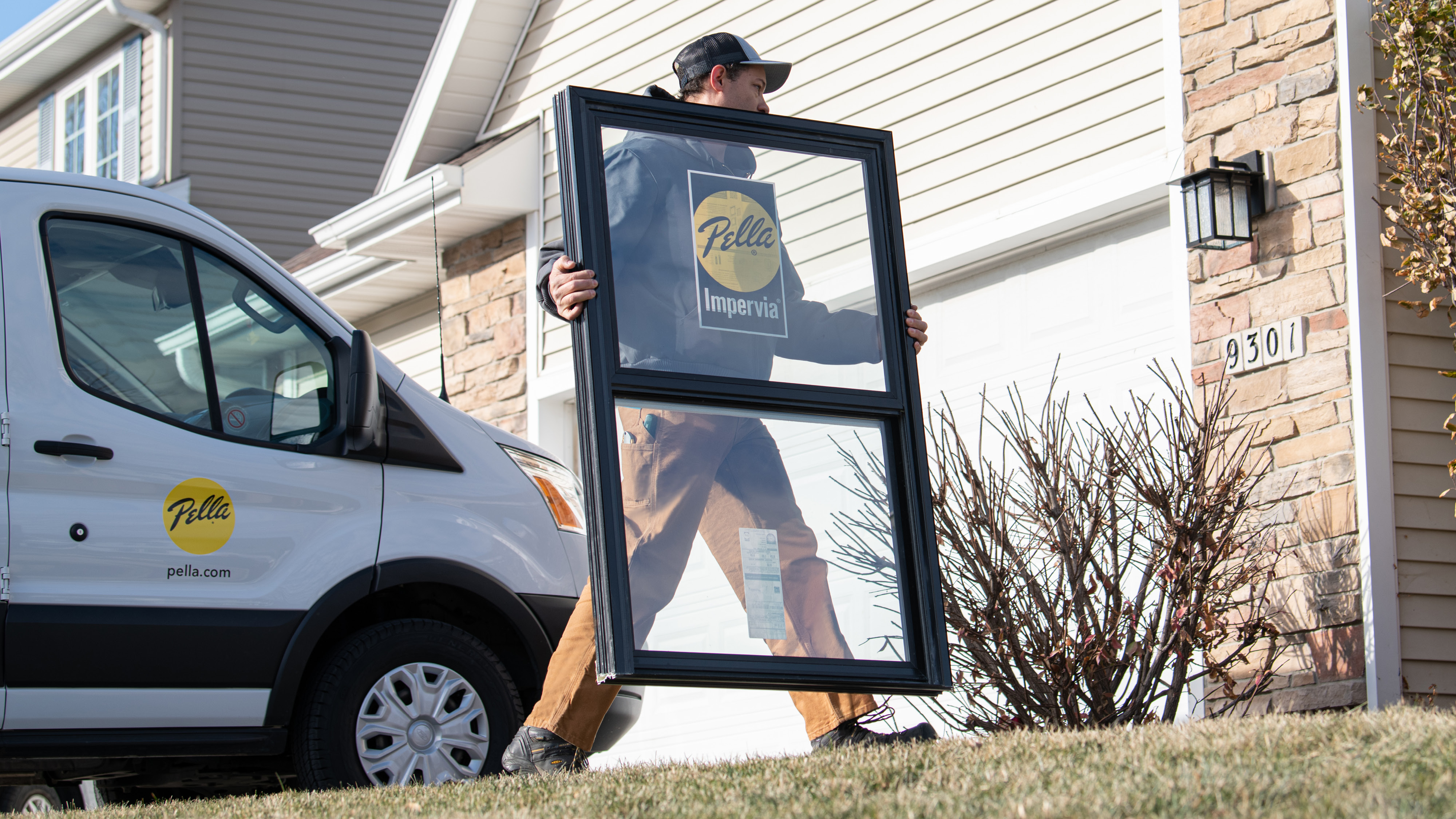
Ridge Top Exteriors performs residential window installation with attention to squaring, sealing, and flashing details that determine real-world performance. Not just the number on the box. You can browse our window services and read homeowner reviews. Our process page explains what to expect from first call to final walkthrough.
Use our instant quote tool to get a starting estimate on your window project. Or schedule a consultation with a Ridge Top project consultant to see our installation process explained in detail.