If water is coming into your home right now, do these four things in this order: get everyone away from the affected area, photograph the damage, contain the water inside, then call a licensed roofer. That sequence protects your family, your insurance claim, and your wallet, in that order.
Here is the part most homeowners do not hear during a crisis. Emergency roof repair is really two jobs, not one. The first job is stabilization: stopping active damage tonight. The second job is diagnosis: finding out why your roof failed in the first place.
Anyone who tries to collapse those two jobs into a single same-day signature is selling, not helping. Let's walk through what to do, what it should cost, and how to choose the right person to call while the clock is running.
What Counts as an Emergency Roof Repair
A true emergency involves active water entry, structural risk, or exposed decking. Everything else can usually wait for a scheduled visit in daylight, which is safer and often less expensive.
Call immediately if you see any of the following:
- Water actively dripping or running into living space during a storm
- A sagging or bulging ceiling, which signals water pooling above the drywall
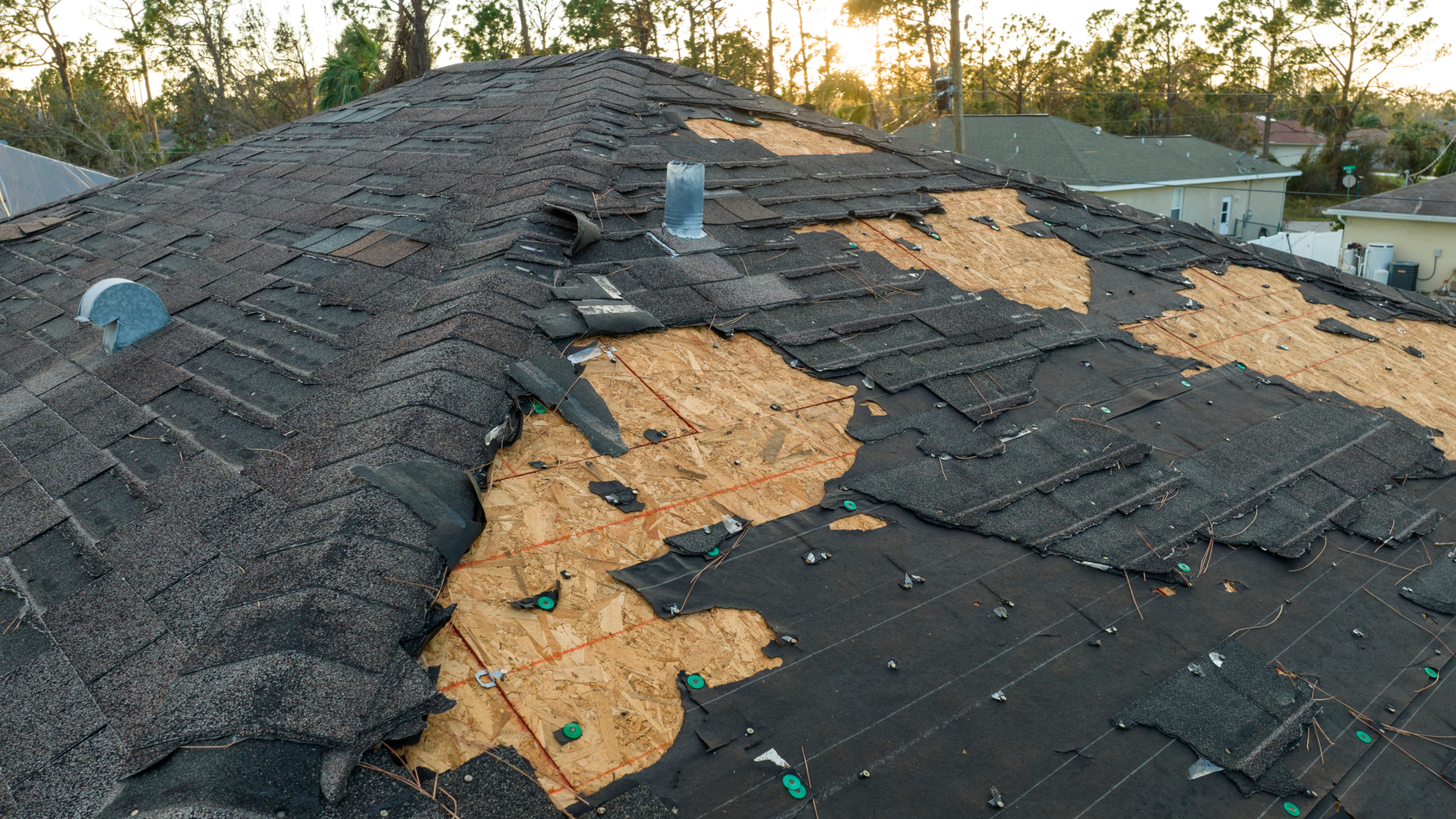
- Missing shingles or exposed wood decking, the wooden layer beneath your shingles
- A fallen tree limb, puncture, or visible hole in the roof surface
- Ice or debris blocking drainage, causing water to back up under the roofing
These can typically wait until business hours: a small ceiling stain that is dry to the touch, a few lifted shingles with no interior signs, granules in the gutters, or a slow drip that stops when the rain stops. Watching and documenting for a day is a reasonable choice in those cases.
Knowing the difference matters because after-hours stabilization carries a premium. Paying it when you need it is smart. Paying it when you do not is simply avoidable.
Your First 48 Hours: A Step-by-Step Response Plan
The next 48 hours decide how much this costs you. Damage spreads fast when water reaches insulation, framing, and drywall, and insurers expect you to take reasonable steps to limit it. Work through these four steps in order.
Protect People Before Property
Move your family out of the affected rooms and stay clear of any sagging ceiling. Water and electricity are the real danger here, not the roof itself.
If water is near light fixtures, ceiling fans, or outlets, shut off power to that area at the breaker. Then move furniture, electronics, and anything irreplaceable out of the room.
Please do not climb onto a wet roof. Falls during storm cleanup injure more homeowners than the storms do, and a tarp installed by an untrained person in the rain rarely holds. Emergency roof tarping is genuinely dangerous work on a steep, slick surface, which is why it belongs to crews with harnesses, training, and proper anchoring. If you want to understand what a properly installed temporary cover looks like, FEMA publishes plain-language guidance on emergency tarping and temporary repairs that is worth a five-minute read before the next storm season.
Document the Damage
Photograph everything before you clean up anything. Documentation is the single highest-return ten minutes you will spend during this event.
Capture wide shots of each affected room, close-ups of stains and drips, photos of damaged belongings, and images of the roof from the ground. Add a short video with the date spoken aloud. Then keep every receipt, including buckets, fans, and tarps.
This record becomes the backbone of your claim. The Insurance Information Institute walks through the claim filing steps in the order carriers expect them, which is a helpful companion to your photo file. It also gives your roofer a clear timeline of how the leak behaved, which speeds up finding the actual source.
Contain the Water Inside
Containment from inside your home is safe, effective, and something you can do right now. Place buckets under active drips and lay towels or plastic sheeting to protect flooring.
If a ceiling is bulging, a small relief hole at the lowest point of the bulge lets water drain into a bucket in a controlled way. That sounds counterintuitive, but a single small hole is far cheaper to repair than a collapsed ceiling.
Run fans and a dehumidifier once the water slows. Drying quickly is what keeps a roof leak repair from becoming a mold remediation project.
Call a Licensed Roofing Contractor
Call a licensed, insured, local roofer next, then notify your insurance carrier. Ask two direct questions on that first call: can you stabilize this tonight, and when can you come back in daylight for a full assessment?
A trustworthy answer sounds like a plan with two visits. Stabilization stops the damage. A professional roof inspection afterward tells you what actually failed and what it will take to fix permanently.
If someone pushes for a replacement contract while your floor is still wet, that is your signal to slow down. No honest assessment of a complete roofing system happens in the dark, in the rain, in twenty minutes.
Why the Leak Is Rarely Where You Think It Is
The stain on your ceiling is almost never directly below the failure. Water travels along rafters and decking before it finds a place to drop, which means the entry point can sit several feet away from the drip.
In our experience, most emergency calls trace back to the same short list of components, and shingles are rarely the culprit. If any of these terms are new to you, the National Roofing Contractors Association keeps a homeowner-friendly glossary of roofing system parts:
- Flashing: the metal pieces that seal transitions at chimneys, walls, and skylights
- Valleys: where two roof planes meet and water volume concentrates
- Penetrations: vents, pipes, and fan housings where sealant dries out and cracks
- Underlayment: the water-resistant layer under your shingles that becomes your last defense
- Ventilation: poor attic airflow that traps moisture and rots decking from underneath
This is why a roof emergency is almost never a sudden event. It is usually an ignored detail that finally announced itself at the worst possible moment.
It is also why patching only the visible spot guarantees a repeat phone call. A roof works as one connected system, and repairing one part while ignoring the failed detail beside it is how homeowners end up paying three times for the same leak.
Emergency Roof Repair Costs and Insurance Coverage
Emergency roof repair pricing is driven by four things: after-hours labor, access difficulty, the size of the area needing protection, and how much interior damage has already occurred. Steep pitch, height, and a leak over a finished second story all push the number up.
Think of the spending in three tiers. Emergency stabilization is the smallest cost and buys you time. A planned repair of the failed detail costs more but solves the problem. A full roof replacement is the largest investment and makes sense when the underlayment, decking, or overall age means repairs would only postpone the inevitable.
On insurance, most homeowners policies treat reasonable emergency mitigation as covered, because limiting damage protects the carrier too. Sudden storm damage roof repair is typically covered. Gradual wear, deferred maintenance, and long-term neglect usually are not. Before you call your adjuster, it helps to skim the basics of what a standard homeowners policy does and does not cover so the conversation starts on solid ground. This is exactly why your photos and receipts matter so much.
Ask your roofer for a written scope with photo evidence of each issue. When you can see the failed flashing in a photograph, you are no longer guessing whether the recommendation is honest. If you want that clarity before the next storm, schedule an inspection while conditions are calm.
How to Vet a Roofer Under Pressure
You can vet a contractor properly in under fifteen minutes, even during an emergency. Five checks do almost all of the work.
- Verify license and insurance, and ask for the certificate of insurance directly
- Confirm a verifiable local address, not just a cell number and a magnetic truck sign
- Insist on a written scope before work begins, even a short one for stabilization
- Refuse large cash deposits and never pay the full amount in advance
- Ask for a written workmanship warranty covering labor, not only the materials
Storm chasers follow weather systems and rely on urgency to shortcut your judgment. The tells are consistent: a price that expires today, pressure to sign before an inspection, requests to handle your claim for you, and no local track record you can check with a neighbor. The Federal Trade Commission tracks these post-disaster repair scams and its warning signs line up almost exactly with what we see in the field after a hailstorm.
A legitimate local company will happily stabilize your roof tonight and let you take a few days to decide on the permanent fix. We would rather you choose us after a clear-eyed comparison than after a stressful night, which is why our roofing work is documented with photos and a written scope before anyone asks you to sign anything.
Protecting Your Roof Before the Next Storm
Most emergencies are preventable with two inspections a year and attention to five details. Homeowners who inspect and document consistently spend meaningfully less over a decade than homeowners who pay for one spot patch after another.
- Inspect in spring and fall, and again after any severe storm
- Keep gutters and downspouts clear so water leaves the roof instead of backing up
- Trim branches that overhang or rub the roof surface
- Have flashing, valleys, and vent seals checked specifically, not just the shingle field
- Confirm your attic ventilation and insulation are working, and look for damp sheathing or daylight
That last point carries more weight than most homeowners expect. The Asphalt Roofing Manufacturers Association explains how intake and exhaust ventilation are supposed to work together, and shingle warranties often depend on getting that balance right.
Keeping up with that schedule is the part busy families tend to lose track of, so we built RoofCare+ to handle it for you: regular inspections, photo documentation, and small fixes caught while they are still small. Keep a simple file with those reports, receipts, and your roof's install date. As carriers tighten their standards on roof age and condition, that documentation increasingly decides whether a claim gets paid.
Stabilize Tonight, Diagnose in Daylight
Handle the emergency in two honest phases. Stop the water tonight with competent emergency roof repair, then get a full-system diagnosis once it is safe and dry. Those are different decisions and they deserve different amounts of your time.
Tonight, your job is simple: people first, then photos, then containment, then a phone call to a licensed local roofer. Everything after that should be a calm conversation with evidence in front of you.
Sometimes the honest answer is a targeted repair, not a replacement. We say that out loud because we would rather earn a client for the next twenty years than a signature tonight.
When the storm passes, read the seven things your roofer should be checking so you know what a thorough assessment actually covers. Understanding your roof as one connected system is the best protection against a second emergency.