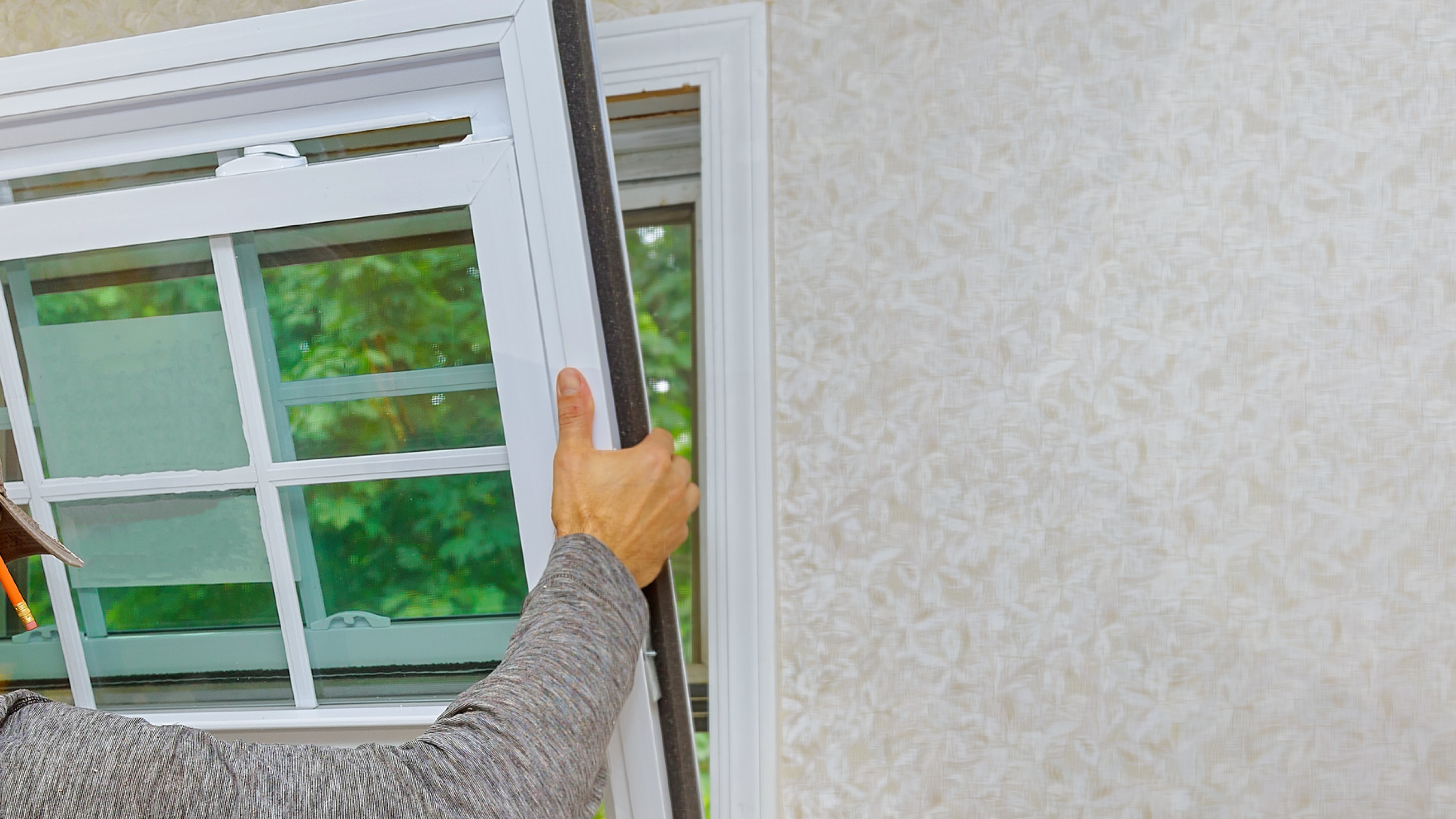
New windows should make your home quieter, more comfortable, and more energy efficient. When they don't, installation is usually the reason. The window itself is rarely the problem. The most common window issues, drafts, water leaks, fogging between panes, and windows that bind or won't stay open, typically trace back to how the window was put in, not what it's made of.
The frustrating part is that installation mistakes often don't announce themselves right away. Many problems don't appear until after the first cold snap, the first heavy rain, or the first full summer with the AC running. Thompson Creek's guide to bad window installation notes that most visible problems appear within the first few weeks to months, but water intrusion and rot can develop slowly behind walls before any interior sign appears.
Why Installation Quality Matters More Than the Window Itself
A lot of homeowners spend weeks researching window brands and comparing energy ratings, then hand the job to whatever contractor came in lowest. That order of priorities gets it backwards. A premium window installed poorly will underperform a budget window installed correctly. The sealing, flashing, and fit of the window in the rough opening determine how it actually performs in your home.
The U.S. Department of Energy notes that even high-rated energy-efficient windows can fail to deliver their rated performance if the installation allows air infiltration around the frame. The U-factor on the NFRC label is measured under controlled conditions. Real-world performance depends on the rough opening being squared, sealed, and insulated correctly before the window goes in.
That's why choosing your window contractor is as important as choosing your window. The quality of the installation is what you actually live with.
Sign 1: Drafts Around a New Window
Feeling air movement near a window frame after a fresh installation is never normal. New windows should eliminate drafts entirely. If you can feel a breeze near the edge of the frame or notice temperature differences near recently installed windows, air is getting in somewhere it shouldn't.
The most common cause is inadequate insulation around the rough opening. The gap between the window frame and the framing of the house needs to be filled with low-expansion foam or other approved insulating material. Skip that step or do it carelessly, and outside air has a direct path into the wall cavity and eventually into the room.
Drafts can also come from improper sealing at the interior and exterior trim lines. If the caulk around the window casing was applied to a dirty or damp surface, or if it's already pulling away from the frame, air can work through those gaps. Run your hand along every edge of a new window on a windy day. Any airflow you feel needs to be addressed immediately, before it has time to affect your energy bills and indoor comfort.
Sign 2: Fogging or Condensation Between the Panes
Fog or haze trapped between the glass panes of a new window is a clear sign of seal failure. The space between the panes in a double or triple-pane window is filled with argon or krypton gas to improve insulation. That gas is held in by a perimeter seal. If the seal fails during installation, moisture gets in and the gas escapes.
Once a seal is broken, the fogging won't go away on its own. You can't clean between the panes, and the condensation will cycle in and out with the temperature. The window's insulating performance drops significantly. This is irreparable without replacing the glass unit itself.
Seal failure during installation usually happens when the installer isn't careful handling the unit, when the window is dropped or struck during placement, or when the sill isn't level and the unit twists slightly in the opening under its own weight. Any of those scenarios compromises the seal that the manufacturer built into the unit.
Sign 3: Water Staining or Damp Spots Near the Frame
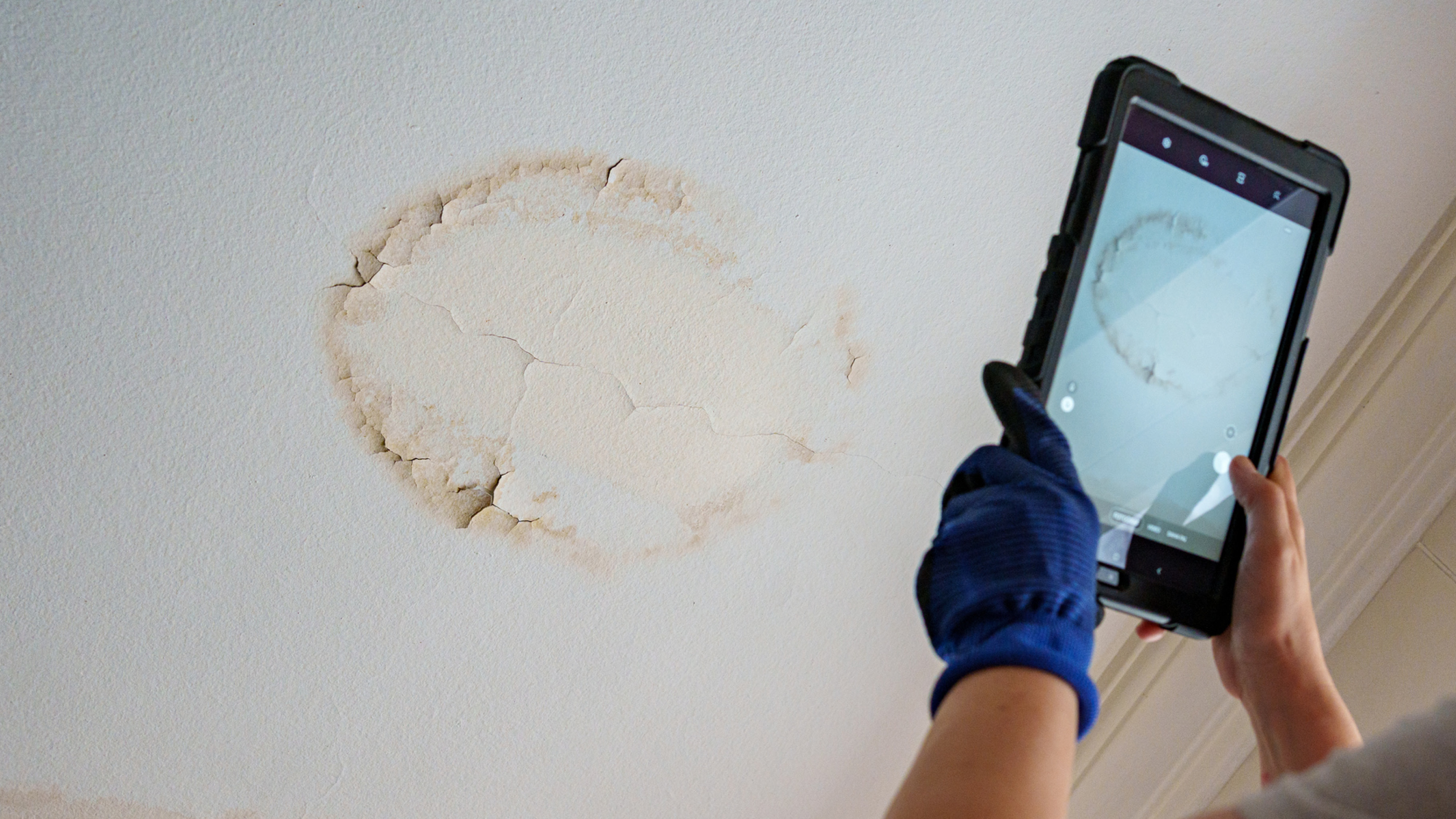
Water staining on the drywall around or below a window frame, peeling paint near the sill, or soft spots in the drywall adjacent to the trim are signs that water is getting into the wall assembly at the rough opening. This is one of the most serious installation failures because the damage accumulates silently inside the wall before any interior sign appears.
The most common cause is missing or improperly installed flashing. Flashing directs water that gets behind the siding or trim away from the rough opening. Without it, or with it installed in the wrong sequence, water finds the wood framing and starts the rot process. In Wisconsin and Illinois, wind-driven rain events push water into every gap. In Florida, tropical storm conditions create intense lateral water pressure that will find any unsealed point of entry.
If you see water staining near a window frame, don't wait. The visible staining is the late stage of a problem that has been developing for some time. A window contractor should assess the extent of the intrusion and determine whether the flashing needs to be redone.
Sign 4: Windows That Stick, Bind, or Won't Stay Open
A window that's difficult to open, closes with uneven resistance, or won't stay in the open position has an alignment problem. Either the rough opening wasn't squared before the window went in, the window unit wasn't checked for plumb and level after placement, or too much expanding foam was used and the pressure is distorting the frame.
Expanding foam is a useful sealant, but using the wrong type or applying too much can push inward on the window frame as it cures. That pressure subtly distorts the frame geometry. The window may close fine at first and then start binding as the foam finishes curing. Sticking sashes, locks that don't align, and windows that won't stay in position can all trace back to this.
A window that doesn't operate correctly also doesn't seal correctly. If the sash isn't closing into the frame evenly, there's a gap somewhere in that perimeter. That gap lets air and eventually water find a path into the wall. Operational problems aren't cosmetic. They're functional failures that should be addressed by the installing window contractor.
Sign 5: Visible Gaps or Uneven Caulk Lines
Take a close look at the caulk lines where your window trim meets the wall, and where the exterior frame meets the surrounding siding or masonry. Clean, continuous caulk lines with no gaps, bubbles, or areas where the caulk has already separated indicate a careful installation. Inconsistent or missing caulk tells you something different.
Caulk applied to wet, dirty, or cold surfaces doesn't bond properly and will pull away from the substrate quickly. Some contractors apply caulk as a cosmetic finish rather than a functional seal, running a bead quickly without cleaning the surface or tooling the joint for proper adhesion. A caulk line that's already separating on a window installed weeks ago was never sealing the joint. It was covering a gap.
On the exterior, look specifically at the head flashing above the window. There should be a continuous, waterproof seal where the top of the trim meets the siding above it. This is the location where wind-driven rain hits first and where installation shortcuts show up soonest.
What Bad Installation Does to Your Warranty
Most window manufacturers require installation according to their published guidelines for the product warranty to remain in effect. If a window is installed incorrectly and a claim is filed, the manufacturer will typically inspect the installation before honoring it. If they determine that installation errors contributed to the failure, the claim may be denied.
This leaves the homeowner in a difficult position. The manufacturer points to the installer. The installer may be unresponsive or out of business. And the homeowner absorbs the cost of both the window replacement and the resulting water damage repair.
The practical protection against this scenario is choosing a window contractor who provides their own written workmanship warranty alongside the manufacturer's product warranty. A contractor confident in their installation stands behind it. One who offers no workmanship warranty is signaling something important about how they view their own accountability.
What to Do If You Suspect an Installation Problem
If you're seeing any of the signs above in windows installed within the last few years, here are the steps to take.
- Document what you're seeing with photos and the date of observation. Notes on when symptoms appeared, what the weather was like, and whether they're getting worse will help any contractor assess the situation.
- Contact the original installer first, in writing, and describe the specific symptoms. Give them the opportunity to respond before escalating. Keep a record of that communication.
- If the installer is unresponsive or the problems persist after their response, get an independent assessment from a qualified window contractor. An outside opinion with documentation gives you leverage and clarity on the actual scope of the problem.
- Check your warranty documentation for both the window manufacturer and the installer. Understand what each covers and what the claim process requires.
Don't apply additional caulk or sealant on your own as a temporary fix. Some manufacturer warranties treat homeowner modifications as grounds for voiding coverage. Document and report first.
How Ridge Top Approaches Window Installation
Ridge Top Exteriors installs residential window replacement projects across Wisconsin, northern Illinois, and Tampa/Clearwater, Florida following manufacturer installation specifications for every product we install. Every rough opening gets squared and inspected before the window goes in. Flashing is installed in the correct sequence for the wall assembly type. Insulating foam is applied correctly at the frame perimeter, and every interior and exterior caulk line is applied to a clean, dry surface and tooled for proper adhesion.
Every installation we complete comes with a written workmanship warranty. If something isn't right, we come back and make it right. Our windows service page covers the full range of products we install, and our process page explains how we manage a project from the first window replacement near me estimate through completed installation.
Use our instant quote tool to get a real starting estimate in minutes. Or read verified reviews from homeowners across our service area to see how Ridge Top's installation quality holds up in the real world.
The window is only as good as the installation behind it. That's true for every brand at every price point.