A cracked panel, a soft spot near a window, a section that took a hit during a hail storm. When something goes wrong with your siding, the first question most homeowners ask is whether they are looking at a repair or a full replacement. The answer depends on scope, material, and what is happening underneath the surface. Here is how to think through it before you call anyone.
The Question Every Homeowner Asks
Siding repair and full siding installation are not interchangeable options. One addresses a contained problem on an otherwise sound wall. The other is the right call when the wall system itself has failed or is failing in ways that a repair cannot reverse.
Most homeowners default to assuming the worst when they see siding damage. A good siding repair company will tell you honestly which category your home falls into rather than defaulting to the most expensive recommendation. That assessment is what you are paying for when you request a professional inspection.
When Siding Repair Is the Right Call
Isolated Panel Damage
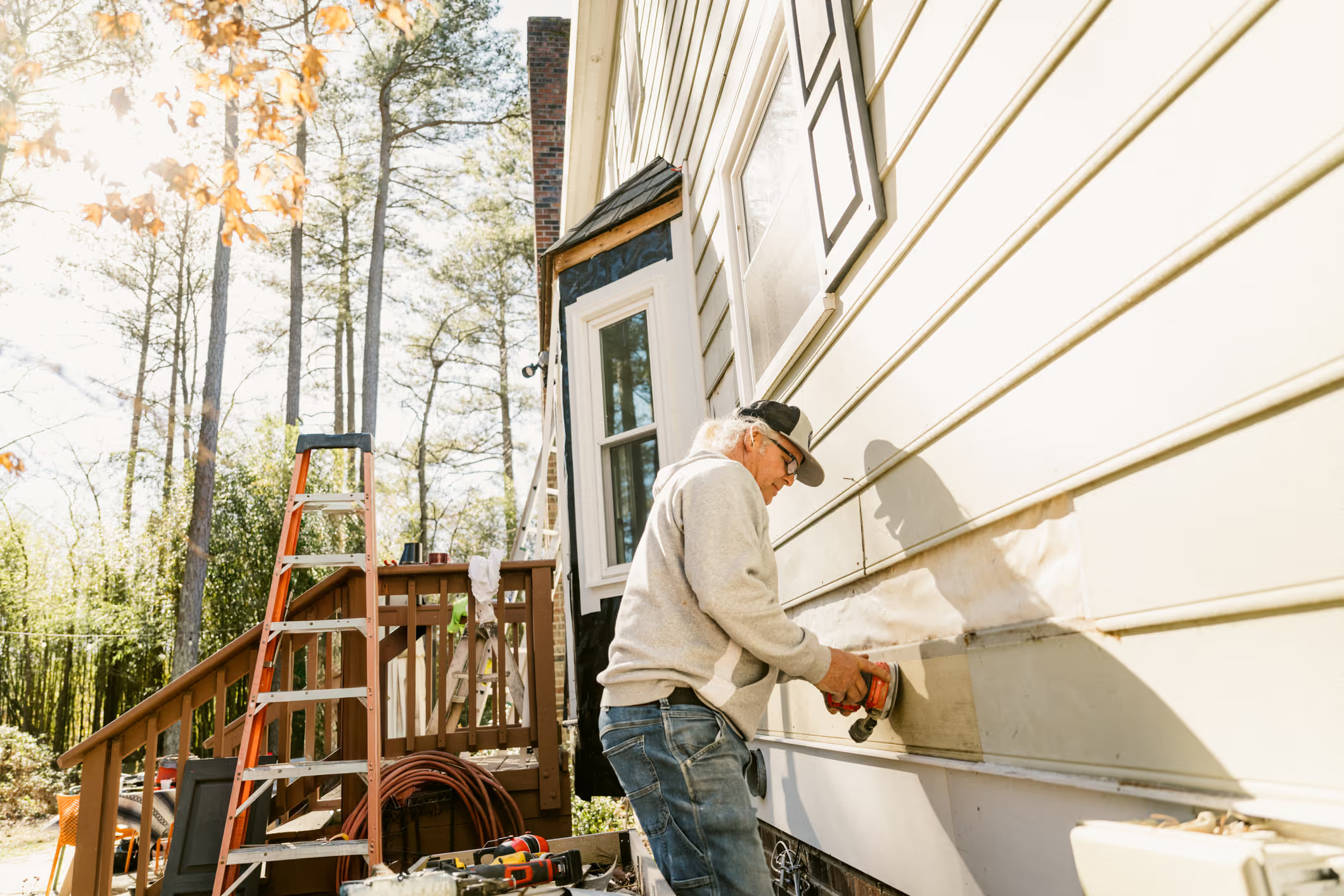
A single cracked, warped, or missing panel in an otherwise sound section of siding is a repair. If the surrounding panels are in good condition, the substrate behind the damaged section is dry, and the damage is limited to a defined area, targeted panel replacement addresses the problem fully without disturbing the rest of the wall.
This is the most common siding repair scenario Ridge Top handles across Wisconsin, Illinois, and Florida. Storm debris, impact damage, and localized weathering all produce isolated panel failures that a qualified crew can address in a fraction of the cost of full siding installation.
Storm Impact on a Small Section
Hail, wind-driven debris, and fallen branches can damage siding in a concentrated area without compromising the rest of the home's exterior. If the damage is limited to one or two elevations and the panels in the affected area can be matched to the existing material, siding repair is the appropriate scope.
One caveat specific to Midwest homeowners: hail damage that looks cosmetic on the surface can indicate impact damage across a wider area than is immediately visible. A thorough inspection that checks every elevation, not just the obvious hit zone, is worth doing before a repair scope is finalized.
Localized Rot or Moisture Intrusion
Soft spots around windowsills, door frames, or at the base of the wall near the foundation do not automatically require full replacement. If moisture intrusion is genuinely localized, and the substrate in the affected area can be repaired or replaced before new panels go on, the repair can address the root cause and restore the wall assembly without touching the rest of the home.
The key word is localized. If pressing firmly against sections in multiple locations produces soft spots, the moisture problem is not localized and the conversation changes. More on that below.
When Full Siding Installation Is the Right Call
Widespread Deterioration Across Multiple Elevations
When damage or deterioration appears across multiple sides of the home rather than in a contained area, the siding system is failing broadly, not in isolated spots. Repairing one section in that scenario is a temporary fix that will require another repair call within a season or two. Full siding installation addresses the system, not the symptom.
Siding Past Its Useful Life
According to the National Association of Home Builders, vinyl siding carries an expected lifespan of roughly 60 years under normal conditions, though real-world performance in harsh climates runs shorter. Fiber cement and engineered wood products carry similarly long rated lifespans but are subject to the same real-world variables of installation quality, climate exposure, and maintenance history.
Age alone is not a reason to replace. Age combined with visible deterioration, multiple soft spots, or a repair history that keeps growing is. If your siding is 25 or more years old and showing any of the signs described in this post, a replacement assessment is more appropriate than another repair scope.
Moisture Has Reached the Substrate
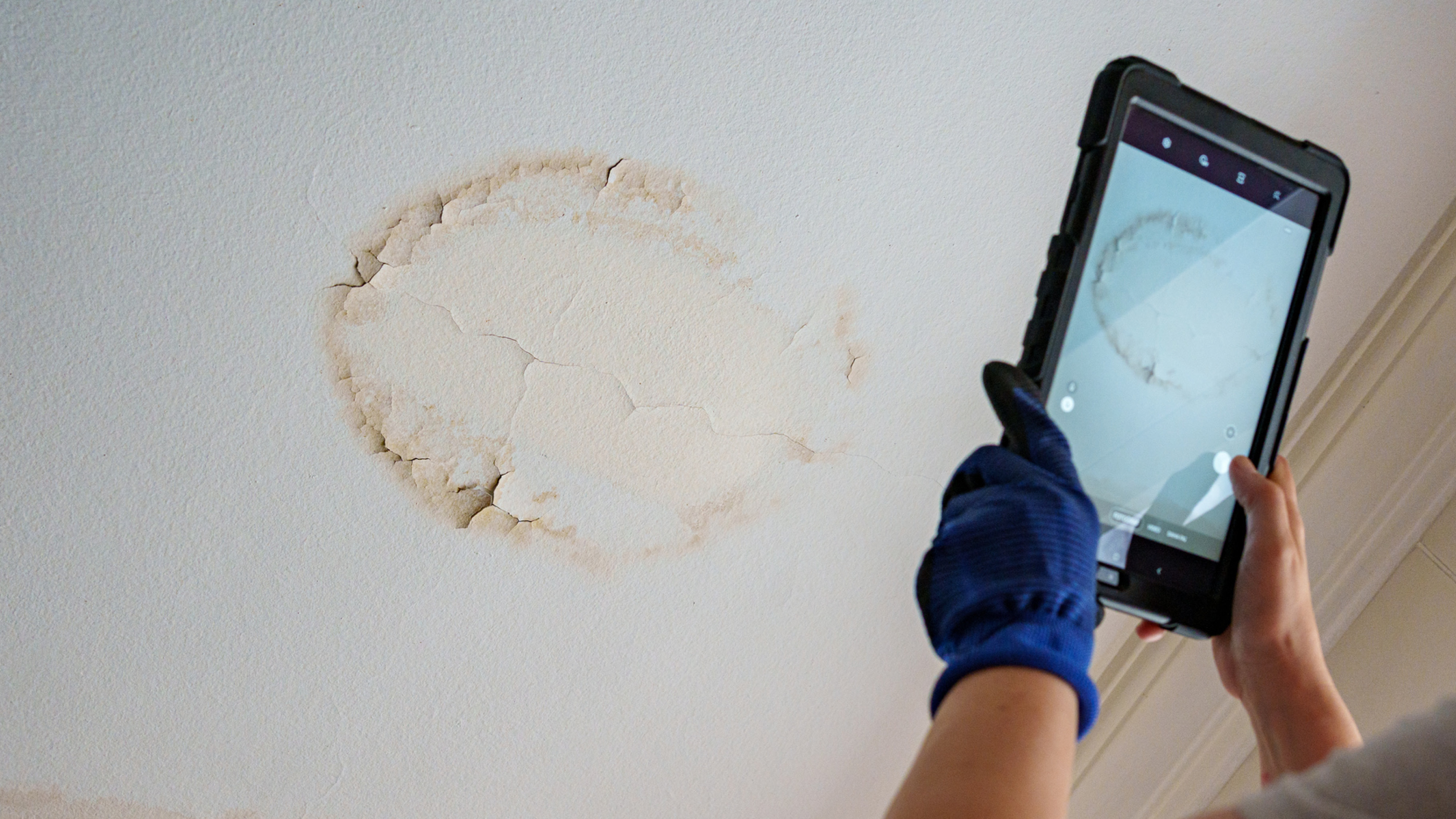
When moisture intrusion has moved past the siding panels and into the sheathing, insulation, or framing behind the wall, repair is not a meaningful option. The substrate has to be addressed before any new siding goes on, and at that point the scope of work looks more like full replacement than targeted repair. Interior symptoms such as peeling paint or bubbling wallpaper on exterior-facing walls are late-stage indicators that moisture has already made that journey.
Material That Can No Longer Be Matched
Siding profiles, colors, and textures change over time. A product installed 15 years ago may no longer be available in the same profile or color family, making a repair that blends invisibly into the existing wall impossible. In those cases, homeowners face a choice between a visible patch and full replacement. For a detailed look at current vinyl siding costs if replacement is the path forward, Ridge Top's practical guide to vinyl siding cost covers the full range.
How Material Affects the Repair vs. Replace Decision
Vinyl
Vinyl panels are relatively straightforward to repair when the product can be matched. Individual panels can be removed and replaced without disturbing the surrounding installation. The challenge in Midwest climates is that vinyl becomes brittle in cold temperatures, which means panels damaged by hail or impact in winter can crack during removal if not handled carefully. A qualified siding repair company with experience in cold-climate vinyl work handles this differently than a crew that primarily works in warmer conditions.
LP SmartSide
LP SmartSide engineered wood is repairable at the panel level when damage is isolated. The product holds paint and finish well, which means a repaired section can be refinished to blend with the surrounding wall more effectively than vinyl in many cases. LP SmartSide's resistance to rot and moisture intrusion also means that localized damage is less likely to indicate a broader substrate problem than similar damage on older wood or vinyl installations.
For Midwest homeowners considering LP SmartSide siding installation as part of a partial or full replacement, the material's performance in freeze-thaw conditions makes it a strong upgrade from vinyl on homes in higher-exposure locations.
James Hardie
James Hardie fiber cement is among the most durable residential siding materials available, which means repair is less frequently needed than with vinyl or wood. When James Hardie siding installation has been done correctly and the system is sound, the material can last 30 to 50 years with minimal maintenance.
When James Hardie does require repair, the work is more involved than vinyl panel replacement. Fiber cement is heavier and requires specific cutting and fastening techniques. Matching the existing finish is also a consideration, particularly for homes where James Hardie's ColorPlus Technology factory finish was used. Field-painted repairs require careful color matching to avoid visible patches.
For a full breakdown of what James Hardie siding installation costs relative to repair, the siding repair Madison guide covers material-specific repair costs for Wisconsin homeowners in detail.
What to Ask a Siding Repair Company Before You Commit
Before agreeing to either a repair or a replacement scope, these questions help you evaluate whether the contractor is giving you an honest assessment:
- Did you inspect every elevation of the home, or only the obviously damaged area?
- Is the substrate behind the damaged section dry and sound?
- Can the existing panels be matched in current production?
- What is the expected lifespan of a repair given the current condition of the surrounding siding?
- Is there any evidence of moisture intrusion beyond the visible damage?
A contractor who cannot answer these questions directly or who recommends full replacement without inspecting the full wall assembly is not giving you the assessment your home deserves.
Get an Honest Assessment Before You Decide
Most siding problems do not require full replacement. Some do. The difference between the two paths comes down to scope, material condition, and what is happening beneath the surface of the wall. Getting that answer right before committing to either a repair or a full siding installation is what protects your budget and your home.
Ridge Top Exteriors serves homeowners across Wisconsin, Illinois, and Florida with siding repair and full replacement services across vinyl, LP SmartSide, and James Hardie. Over 40,000 completed projects and a 98% customer satisfaction rate reflect the range and quality of work the Ridge Top team delivers.
Use Ridge Top's instant siding quote tool to get a real estimate in minutes, or schedule a free on-site inspection to get a professional assessment of whether repair or replacement is the right call for your home.