If your double hung window sash slides shut on its own or refuses to stay raised, the glass is almost never the problem. The balance system hidden inside the window jamb is. In most homes, balances are the first component to wear out, and they usually start showing symptoms somewhere between year 10 and year 20, which lines up with the service life ranges the National Association of Home Builders reports for window hardware versus the window itself. Knowing that one fact changes the whole conversation about double hung window replacement, because it tells you whether you are looking at a small hardware fix or a window that has genuinely reached the end of its service life. Here is how to tell the difference before anyone hands you a quote.
The Part of Your Window You Have Never Seen
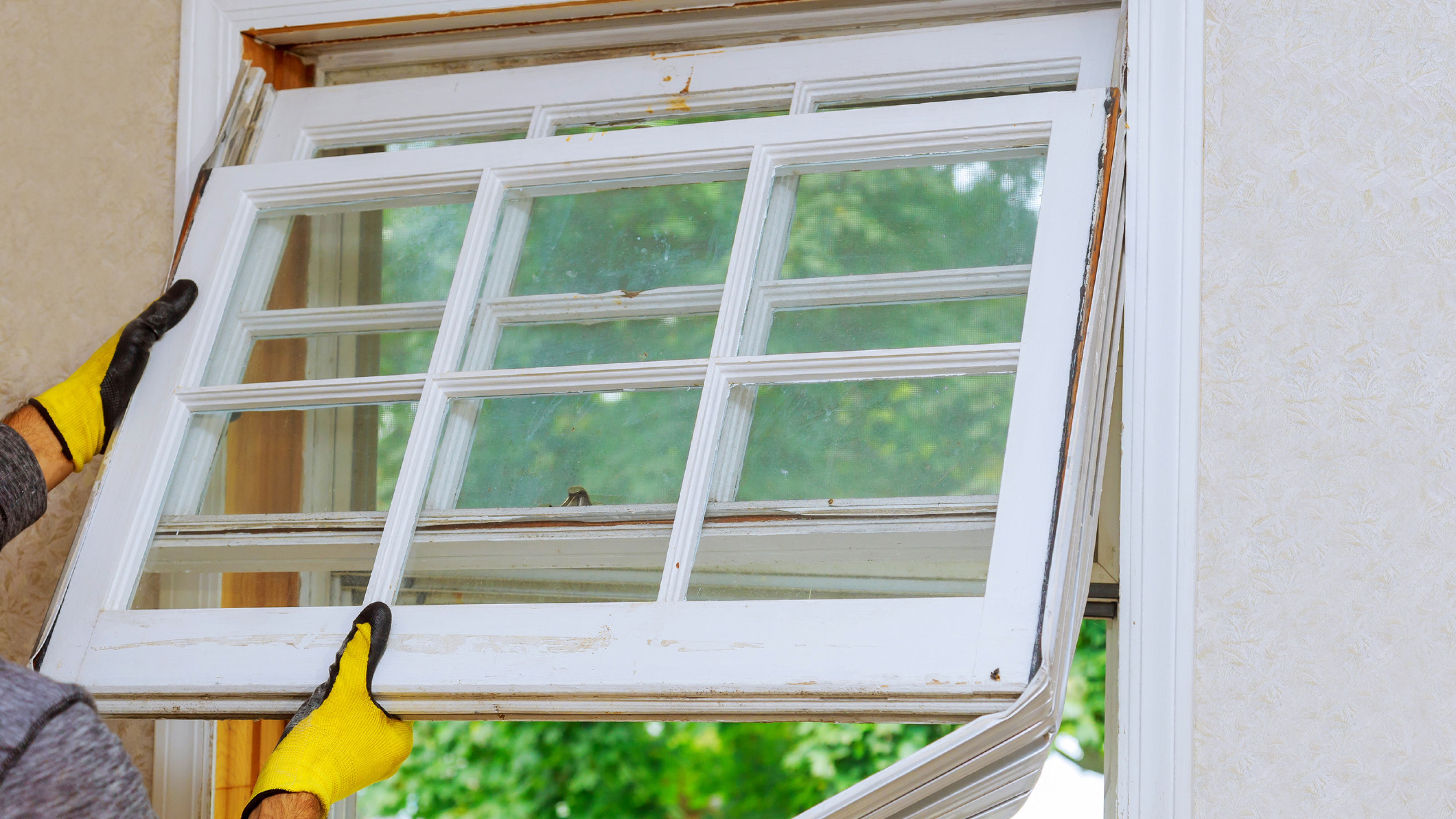
The balance is the mechanism that holds the weight of your sash in midair. It lives in a narrow channel inside the side jamb, tucked behind the sash track where you cannot see it and have probably never touched it. Every time you raise or lower a window, that mechanism absorbs the full weight of the glass, the frame, and the hardware.
Think about how that adds up. A sash can weigh anywhere from a few pounds to well over twenty depending on size and glass package. Open and close that window a few hundred times a year for two decades, and the balance has carried thousands of cycles of load. Meanwhile the glass just sits there, and the frame just stands there.
The industry measures this directly. The Fenestration and Glazing Industry Alliance publishes performance standards for operating force and repeated cycle testing, which is another way of saying that how hard a window is to lift, and how many times it can be lifted, are treated as measurable quality traits. That is why balances fail first. They are the only part of the window doing real mechanical work. When homeowners tell us their window sash will not stay up, we do not treat it as a mystery. We treat it as the most predictable wear point in the unit, and the first place to look.
Three Balance Failures We See Most Often
Nearly every dropping sash we diagnose traces back to one of three causes. Two are hardware problems. The third is a frame problem wearing a hardware costume, and it is the one that most often changes the answer on repair versus double hung window replacement.
Spiral Balance Spring Fatigue
Spiral balances use a twisted metal rod inside a tube, and the spring tension on that rod is what holds your sash in place. Over years of cycling, the spring loses tension. It does not snap dramatically. It just gets weaker until the sash drifts down on its own.
How to spot it: the window closes slowly by itself, or you can raise it partway and watch it sink. You may also hear a popping or grinding sound as the rod binds inside the tube. On a two-balance window, a single failed side often shows up as a sash that tilts unevenly when you lift it.
Block-and-Tackle Cord and Clutch Wear
Block-and-tackle balances use a cord, a pulley set, and a small clutch that grips the jamb channel to hold position. Two things go wrong. The cord frays or breaks, or the clutch loses its bite and stops locking.
How to spot it: the sash drops fast and hard rather than drifting, or it feels weightless going up and then slams down. A snapped cord usually means the sash will not hold at any height. This style is common in heavier and larger sashes, which is exactly why the components see more stress. The durability test methods published by ASTM International exist precisely because repeated operation, not weather, is what exposes these weak points.
Sash Binding From a Frame Out of Square
This one is the reason we insist on diagnosis instead of assumption. If the window frame has racked out of square, if the wood has swelled from moisture, or if the rough opening has settled, the sash no longer travels in a straight line. It rubs, it binds, and the balance fights that friction on every single stroke.
How to spot it: the window takes two hands and real effort to lift, the sash sticks at the same spot every time, or you can see uneven gaps between the sash and the jamb. Debris packed in the track produces similar symptoms and is worth ruling out first.
Here is the important part. If the frame is the root cause, replacing the balance only buys you time. The new hardware will wear out on the same accelerated schedule, because the underlying geometry never changed.
Repair the Balance or Replace the Window?
A failed balance should be diagnosed, not assumed, and one bad balance does not justify replacing every window in your home. We say that on site, out loud, even when it costs us a bigger project. Sometimes a dropping sash is an inexpensive part and an hour of labor. Sometimes it is evidence of a frame that has given up. You deserve to know which one you have before anyone quotes you a whole-house number.
Window balance replacement is genuinely the right call when the frame is square, the sash is sound, the seals are intact, and the balance hardware is still available. That is a good repair. It can hold for years, and we will tell you so. The Department of Energy guidance on updating versus replacing windows makes the same point from an efficiency angle: repairing and improving what you have is often reasonable before a full replacement is justified.
Replacement becomes the smarter investment when several conditions stack up:
- The frame is out of square, racked, or showing moisture damage that will keep chewing through new hardware.
- You have already paid for one or two double hung window repair visits on the same unit.
- Balances are failing in multiple windows at once, which usually means the rest of the original units are only a few years behind. All that hardware aged on the same timeline.
- The glass seal has failed, the sash is soft, or the unit is well past two decades of service.
- Replacement balances for your window line have been discontinued and cannot be sourced.
That last point decides more cases than homeowners expect. Older window lines get discontinued, and hunting down a matching balance for a 25-year-old unit can cost more in time and freight than the part is worth. When parts availability runs out, repair stops being a real option, and double hung window replacement becomes the honest recommendation rather than an upsell.
If you are weighing that spend against what you get back, our breakdown of whether window replacement actually adds value to your home walks through the return side of the decision in plain numbers.
What to Look for in New Balance Hardware
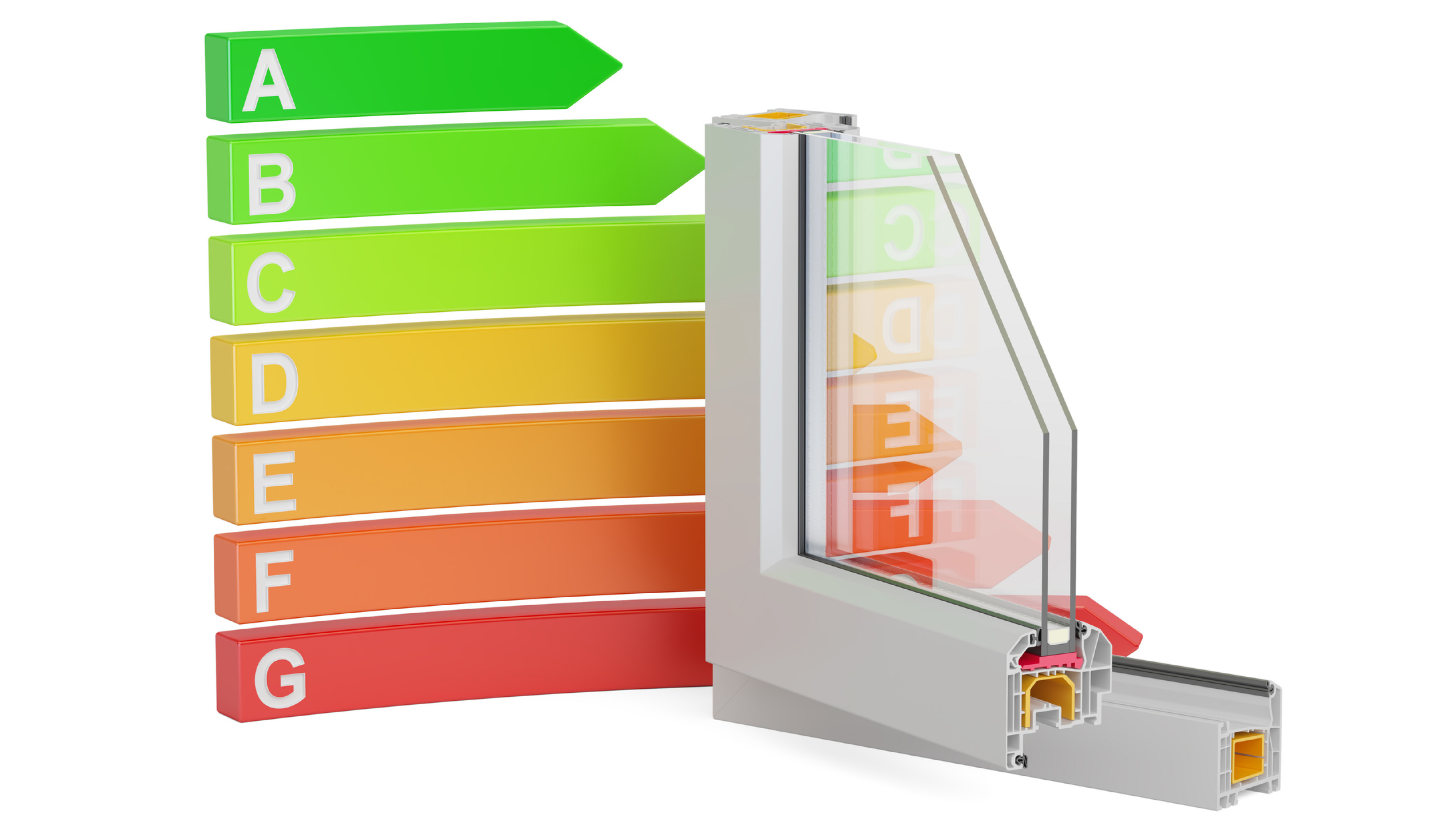
If you are buying new windows, the moving parts deserve as much of your attention as the glass package. Energy performance gets printed on a label, and the ENERGY STAR program criteria make that side of the decision fairly easy to compare. Balance quality has no sticker. It is what determines whether your windows still operate smoothly in year eighteen.
As you compare replacement window options, ask about these specifics:
- Constant-force coil balances, which deliver steady lifting support across the full travel of the sash instead of fading as tension drops.
- Sealed clutch assemblies that resist dust, grit, and moisture intrusion, since debris is what kills a clutch early.
- Tilt-latch quality, because latches take heavy handling during cleaning and are a common early failure point on otherwise solid windows.
- Whether the unit has been cycle-tested to recognized industry operating force standards, which tells you the hardware was engineered for repeated use, not just first-day smoothness.
- Written confirmation that balances and moving hardware are named in the warranty, not quietly excluded from it.
- Parts and service availability in your area after the installation crew drives away.
One more thing matters more than any brand name: how the window gets installed. Balance life is an installation outcome as much as a manufacturing one. A unit set out of plumb, over-shimmed, or forced into an unsquared opening will wear through its balances early no matter whose label is on it. In our experience, when balances fail in relatively new windows, the cause is almost always an unsquared or under-supported opening, not a defective part. That is why opening preparation and squareness verification are non-negotiable steps in our window installation process, not optional ones.
Questions to Ask Before You Approve a Quote
A good contractor will welcome these questions. A hesitant answer tells you something too.
- What specific balance system do these windows use, and are parts stocked locally?
- Does the written warranty cover balances, clutches, and tilt latches by name, and for how long?
- How do you verify the opening is square and plumb before the unit goes in?
- What testing standards does this window line meet for operation and durability, not just energy performance?
- What happens if a sash stops holding position in year three? Who comes out, and what does it cost me?
- Can you show me why this window needs replacing instead of a balance repair?
Get the answers in writing. Hardware coverage and installation standards are exactly the details that quietly disappear from vague estimates, and they are the details that determine your next twenty years of window operation. If you would rather talk it through with someone who will point at the actual problem, ask us a question directly.
Get an Honest Diagnosis Before You Spend a Dollar
A sash that will not stay up is a symptom, not a verdict. Find out whether you are dealing with a tired balance, a worn clutch, or a frame that has moved, because that answer decides whether you need a small repair or a full double hung window replacement. If you want to keep learning first, read the Department of Energy overview on repairing versus replacing windows and our own look at window replacement return on investment. When you are ready for a straight answer about your own windows, schedule a no-pressure assessment and we will tell you what we find, repair or replacement.