A window's energy rating tells you the best that window can do, not what your house will actually get. That number was measured on one unit in a laboratory, with no rough opening, no shims, no flashing, and no siding around it. Everything between that lab result and your living room happens during installation. This is the part of energy efficient window replacement that almost no sales presentation covers, and it is the part that decides whether you feel a draft at the kitchen table next January.
If you are collecting quotes right now, this article gives you a better way to compare them: not by glass package alone, but by specification plus installation discipline.
What an Energy Rating Actually Measures
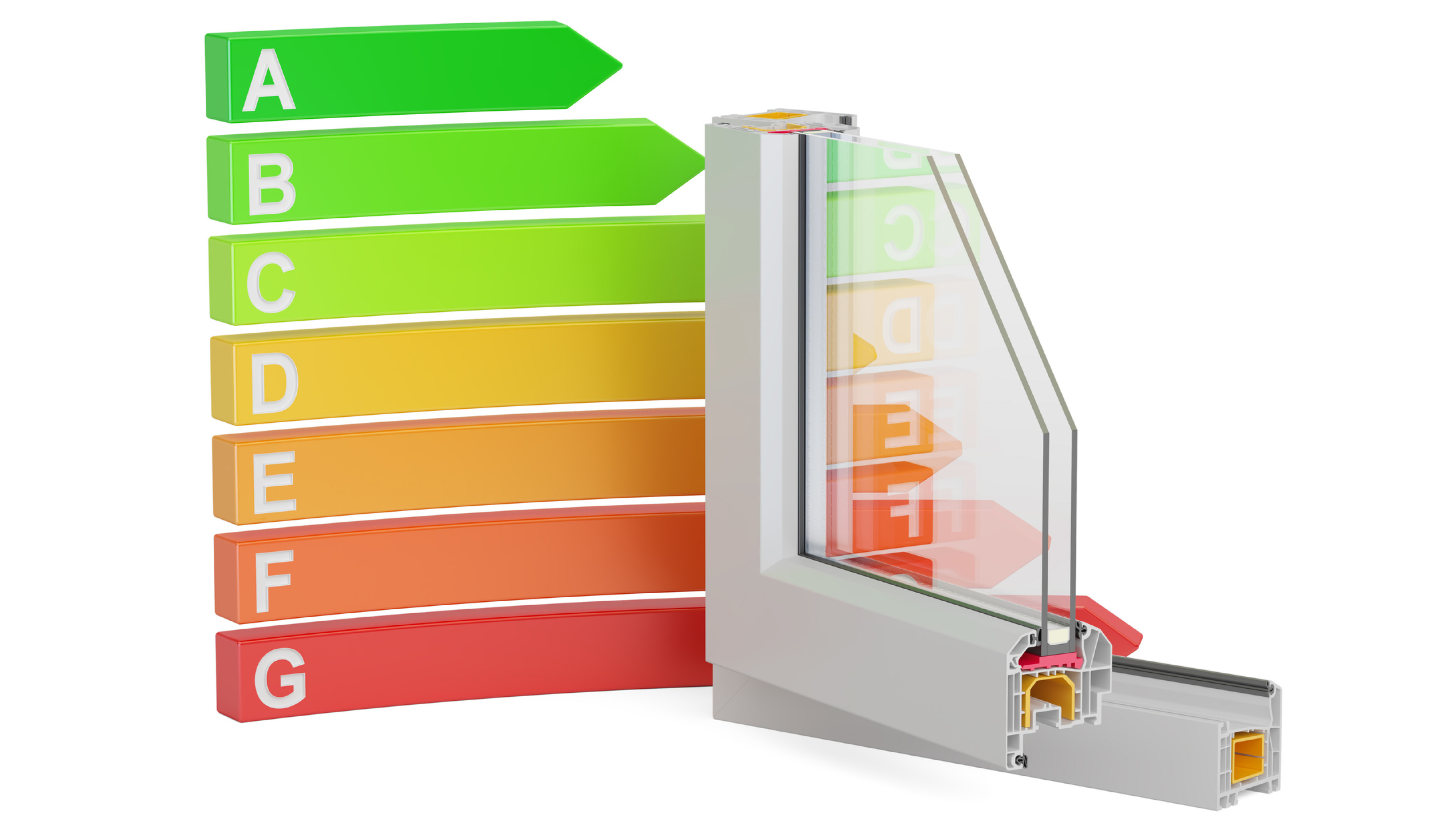
The label on a new window reports four things about a single unit tested in a lab. The National Fenestration Rating Council sets those test conditions and publishes a plain-language guide to reading the label. Understanding what each number means takes about two minutes, and it changes how you read a proposal.
- U-Factor: how much heat escapes through the window. Lower is better, and it matters most in cold climates.
- SHGC, or Solar Heat Gain Coefficient: how much of the sun's heat passes through the glass. Lower keeps a house cooler; higher can help a cold-climate room warm up on a sunny day.
- Visible Transmittance: how much daylight comes through. A higher number means a brighter room.
- Air Leakage: how much air moves through the assembled unit itself, measured under test pressure.
Notice what is missing from that list. There is no measurement of the wall the window sits in, the gap around the frame, the flashing, or the interior air seal. The NFRC label describes the product's potential. Your comfort depends on how much of that potential survives the install.
That is why two neighbors can buy the same insulated glass unit with the same Low-E coating and get noticeably different results. The window was identical. The opening it went into was not.
Where Rated Performance Gets Lost in the Wall
Rated performance leaks away in a short list of predictable places, and every one of them is a workmanship issue rather than a product issue. The recognized industry standard for this work, ASTM E2112, published through the Fenestration and Glazing Industry Alliance, covers it in detail: shimming, sealing, and flashing are not finishing touches, they are the performance.
The Rough Opening
A window can only perform as well as the hole it sits in. If the opening is out of square and the crew forces the unit in anyway, the frame racks, the sash stops meeting the weatherstrip evenly, and the seal is compromised before the trim goes on.
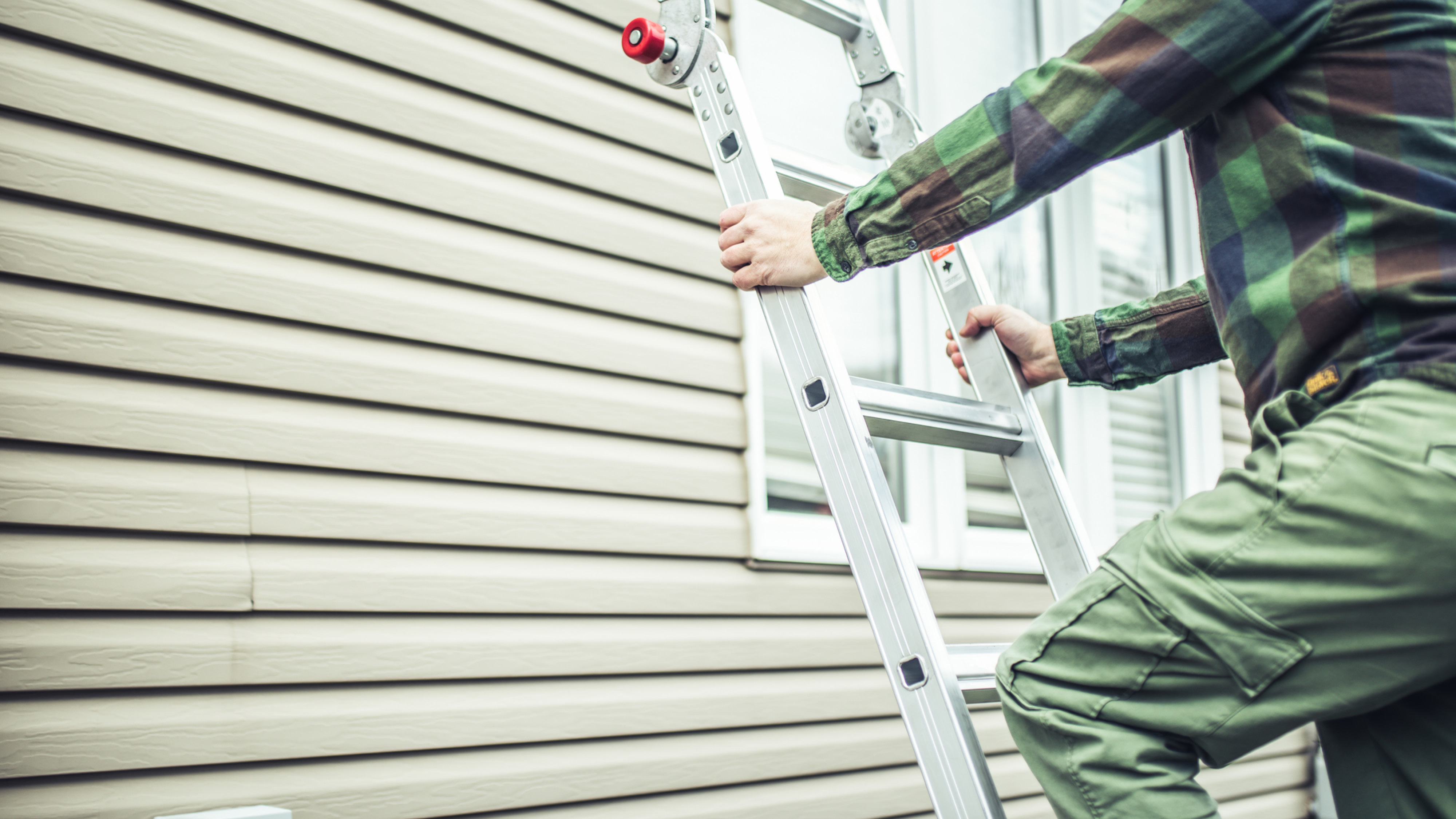
Shimming is where this gets decided. Too few shims and the frame sags over time. Overfilled expanding foam bows the jambs inward, which makes a window harder to operate and opens gaps at the corners. The right approach is low-expansion insulation, packed enough to stop air movement but never enough to deform the frame. A careful installer checks the frame for square and smooth operation before anything is sealed permanently, which is one of the reasons we document how we install every window before a homeowner ever signs.
Flashing and the Air Seal
Flashing manages water, and it only works when the layers overlap in the right order so water is shed outward and downward. Reverse-lapped or missing flashing sends water behind the assembly instead of away from it. That is the quiet cause of the sill rot and interior staining homeowners discover three seasons later, long after the crew has gone.
Air sealing is the other half. A continuous interior air seal around the perimeter, completed before the trim is installed, stops the drafts you feel at the edges of a room. Skipping it is invisible at the final walkthrough and obvious in February. This is the honest reason a mid-tier window installed correctly routinely outperforms a premium window installed poorly, and why the cheapest quote with the best sounding glass package is often the worst value on your kitchen counter.
Matching the Spec to Your Climate, Not the Catalog
There is no single best window for every house in the country. The right window U-factor and SHGC targets depend on whether your home spends more energy heating or cooling, and on which direction each opening faces. ENERGY STAR publishes different performance criteria by climate zone for exactly this reason, which is why a spec that serves a Brookfield homeowner well can be the wrong choice in Winter Park.
- Heating-dominated homes in Wisconsin and Northern Illinois: prioritize a low U-Factor to hold heat in. A moderate to higher SHGC on south-facing openings can add welcome free warmth in winter.
- Cooling-dominated homes in Florida: prioritize a low SHGC with a solar-control Low-E coating to keep heat out. U-Factor still matters, but it is not the headline number.
- Mixed exposures in any climate zone: west-facing openings take the most afternoon heat and often justify a tighter SHGC than the rest of the house, even in a cold climate.
Orientation is also why we do not recommend defaulting to triple pane everywhere. In some openings it earns its upcharge. In many others, that same money buys better installation detailing and delivers more comfort per dollar. Any proposal for energy efficient window replacement should explain which openings got which spec and why.
The same logic drives the choice between insert and full-frame replacement. An insert, or pocket, replacement keeps the existing frame and is appropriate when that frame and sill are sound. Full-frame replacement removes everything down to the rough opening, which is the only way to inspect for hidden rot and install proper flashing and a complete air seal. That decision should come from the condition of your existing frame, not from whichever method is faster to schedule.
What You Can Realistically Expect to Gain
Are energy efficient windows worth it? Yes, but for reasons that show up in your daily life sooner than on your utility bill. The U.S. Department of Energy's guidance on updating or replacing windows describes the savings from replacing older units as real and worthwhile over time, not dramatic month to month. Anyone promising you a specific percentage off your bill is guessing.
Here is what homeowners in our completed projects notice first, usually within the first full season:
- Drafts disappear, including the cold edge you feel sitting near a window in winter.
- Rooms balance out, so the upstairs bedroom and the family room stop feeling like different houses.
- Condensation on the interior glass drops, which protects sills, trim, and paint.
- Outside noise softens noticeably, especially on busier streets.
There is also a federal tax credit for qualifying exterior windows under Section 25C. The IRS publishes the current caps and eligibility rules for the Energy Efficient Home Improvement Credit. Confirm the details with your tax advisor, and treat it as a footnote in your decision rather than the reason for it. If resale value is part of your thinking, we walk through the numbers separately in our look at whether window replacement actually adds value to your home.
How to Verify Installation Quality Before You Sign
You can evaluate replacement window installation quality before a single window is ordered. Ask these questions of every company you are considering, then compare the answers side by side.
- What is your written installation method, and can I see the flashing and air-sealing details you follow?
- Who physically performs the work, employees or subcontractors, and how were your factory-trained installers trained?
- What does the labor warranty cover, for how long, and how is it separate from the manufacturer's product warranty?
- Does the proposal list NFRC ratings per opening, frame specification, installation method, disposal, and permits?
A company confident in its crews will hand you these answers in writing without hesitation. Vague answers about the process, or a warranty that only covers the product, tell you where the risk will land.
The Rating Is the Starting Point, Not the Guarantee
Read the label, then read the installation plan. In energy efficient window replacement, the sticker sets the ceiling and the crew in your rough opening decides how close you get to it. When you compare your next set of quotes, put the method and the labor warranty right next to the glass specs.
If it would help to see the numbers for your specific openings and orientations, we are glad to walk your home and provide a written, itemized estimate you can take your time with. No pressure and no expiring offer, just the information you need to decide well.