Talk to enough homeowners who've been burned by a bad roofing job and you start to notice something. The details are different. The company name, the city, the season. But the shape of the story is almost always the same. It starts with an approach that felt fine. Then an estimate that seemed reasonable. Then pressure to decide quickly. Then a job that raised questions no one wanted to hear. And then, eventually, someone who was impossible to reach.
Roofing horror stories aren't random. They follow a pattern, and that pattern is visible before a single shingle goes on your roof. The Federal Trade Commission identifies high-pressure tactics and vague estimates as among the most consistent warning signs of home improvement fraud. Here is what each stage of the pattern looks like and what to watch for.
The Pattern No One Talks About
Most homeowners who end up in a roofing horror story didn't see it coming. Not because the signs weren't there, but because each stage felt plausible in the moment. A contractor who shows up and offers to look at your roof for free seems helpful. An estimate that comes in lower than the others seems lucky. Pressure to decide before the price goes up seems like urgency. None of these feel obviously wrong when they're happening.
The pattern works because each stage is designed to move you to the next one before you've had time to evaluate the current one. By the time the job is complete and the problems start appearing, the leverage has shifted entirely to the contractor.
Stage 1: The Approach
Most legitimate roofing contractors don't show up uninvited after storms. They have enough work from referrals, reviews, and repeat customers that door-to-door canvassing isn't their primary marketing strategy. When a contractor shows up unsolicited, especially right after a significant weather event, that's the first data point.
Storm chasers, contractors who travel from market to market following severe weather, are among the most consistent sources of roofing horror stories in Wisconsin, Illinois, and across the Midwest. They know that homeowners are anxious after a storm, that insurance claims are on everyone's mind, and that a confident knock on the door at the right moment produces contracts. Their goal is to sign as many jobs as quickly as possible before moving to the next storm-affected market.
The question to ask yourself at Stage 1 is simple. Do I know this company? Can I find them on Google with consistent reviews from homeowners in my area over multiple years? A company that has been operating in your market for a long time has a reputation you can verify. One you've never heard of that appeared after the last hail event does not.
Stage 2: The Estimate
The estimate is where the pattern usually becomes clearest, if you know how to read it. A low-quality estimate has a few consistent characteristics.
It doesn't specify materials by manufacturer, product line, or wind rating. It just says 'architectural shingles' or 'GAF shingles' without telling you which product, which warranty tier, or what underlayment is included. It omits line items for tear-off, disposal, permit, and pipe boot replacement. It shows one number at the bottom without breaking down what that number is buying you.
The Better Business Bureau recommends getting multiple written estimates before committing to any home improvement contractor. The purpose isn't just to find the lowest price. It's to find out which contractors will give you enough information to actually compare bids. A contractor who produces a detailed, itemized estimate is demonstrating something important about how they run their business.
A vague estimate isn't just uninformative. It's a structural advantage for the contractor. If the scope isn't specified, they can't be held to it.
Stage 3: The Pressure
After the estimate comes the close, and in a horror story, the close involves pressure. The price is only good for today. The crew has an opening next week that won't last. Your neighbor just signed and the materials are already ordered. If you don't decide now, you'll wait months.
Legitimate roofing contractors don't operate this way. A reputable roofing contractor gives you their estimate, answers your questions, and lets you think about it. They know that homeowners who feel confident in their decision tend to be better customers throughout the project. They're not trying to prevent you from getting a second opinion. They welcome it.
Pressure tactics are designed to prevent comparison. If they can get a signature before you've talked to anyone else, they've removed your ability to evaluate whether their bid is complete, competitive, or honest. Anytime a contractor makes you feel that taking the time to think is risky, that urgency is the warning sign.
Stage 4: The Job
When the project starts, a few things can signal that the pattern is continuing. Materials that look different from what was quoted. A crew that can't answer specific questions about the installation process. Tear-off that reveals deck damage on every single job, with a change order ready before the findings have been photographed or explained.
Some deck damage is real and needs to be addressed. But a contractor who finds surprise damage on every project, presents a change order on the spot, and implies that work can't continue until it's signed is using the pressure dynamic again. A legitimate contractor documents findings with photos, presents the scope in writing, and gives you the opportunity to verify before proceeding.
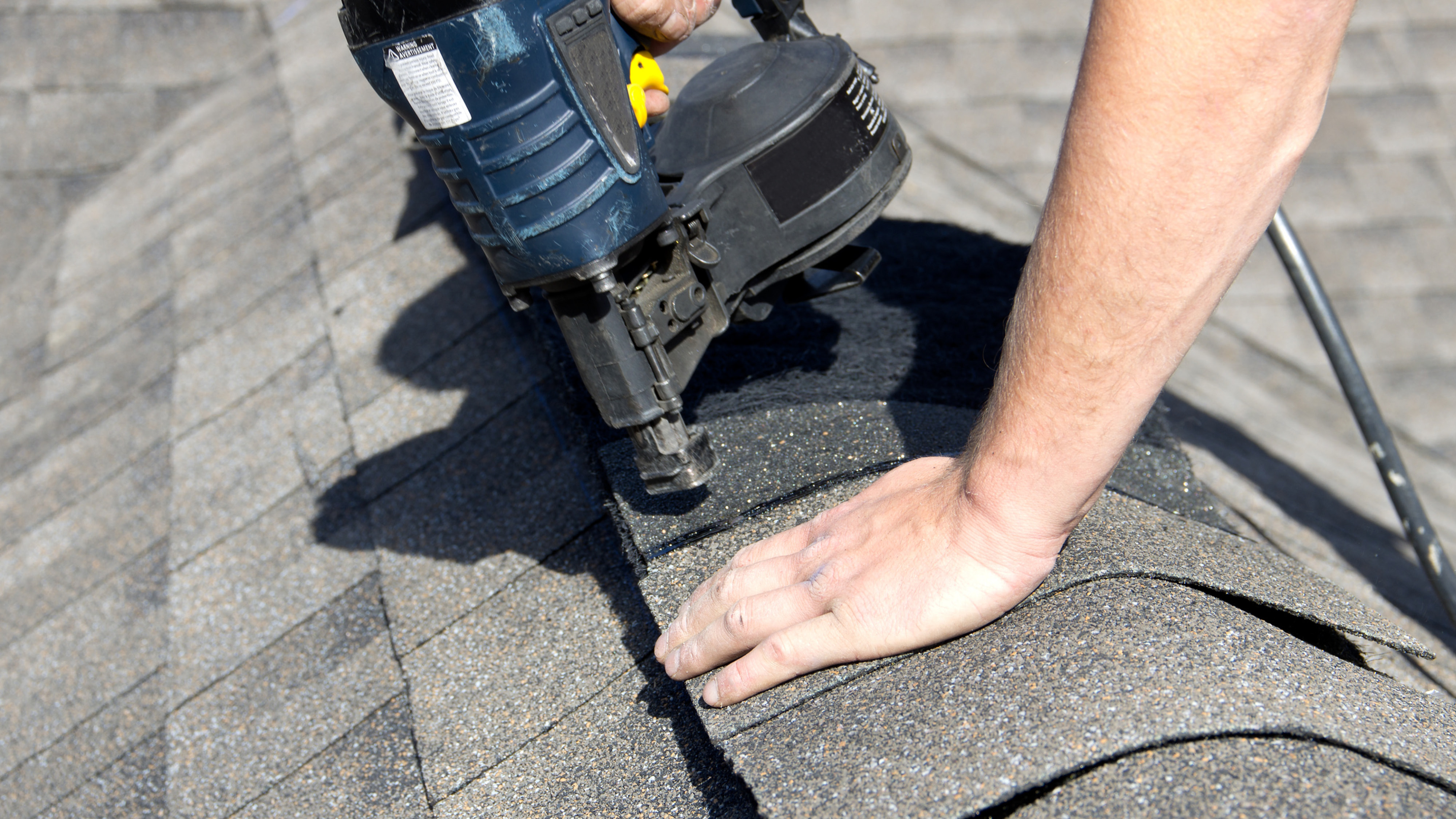
During the installation itself, look for signs that the job is moving too fast. A crew that tears off and shingles an entire roof in a single day on a complex home may be cutting steps. Quality residential roofing takes the time it takes. If the pace feels rushed, it's worth asking specific questions about what's being done and in what order.
Stage 5: The Disappearance
The final stage of the horror story pattern is the one homeowners most frequently describe. A problem appears, usually within the first year. A leak at a pipe boot. Water staining near a dormer. Granule loss that looks more like impact damage than normal weathering. The homeowner calls the number on the contract. The number rings through to a voicemail. The voicemail isn't checked. The company's website goes offline.
Storm chasers and low-quality contractors don't expect to service warranty claims. They price for volume, not longevity. By the time the problems appear, the crew that did the work may be in a different state, under a different company name.
This is why the workmanship warranty conversation has to happen before the contract is signed, not after the job is done. What does the warranty cover? For how long? Who calls? What's the response process? A contractor who can't answer these questions in detail before signing isn't planning to be accountable after the job is finished.
What a Legitimate Process Looks Like at Every Stage
The pattern runs in reverse for reputable roofing contractors near me. The approach comes through referrals, verified reviews, or a proactive search by the homeowner. The estimate is itemized by material, scope, and warranty terms. The timeline is presented honestly without manufactured urgency. The job is managed by a dedicated project contact who can answer specific questions. And when a problem appears after the job is done, there's a documented warranty and someone who picks up the phone.
The National Roofing Contractors Association provides consumer guidance on what to look for when evaluating any roofing contractor, including verification steps for licensing, insurance, and references that apply before any contract is signed.
None of this is complicated. It's just the process that a contractor running a real business naturally follows, because they expect to still be in your market in five years when the next project comes up.
How Ridge Top Runs a Different Kind of Process
Ridge Top Exteriors has been operating in Wisconsin, Illinois, and Florida since 2002. We don't chase storms. We don't pressure homeowners to sign before they're ready. Our estimates are itemized by material, scope, and warranty terms. Our project process includes a dedicated consultant who manages your job from first contact through completed installation. And when something isn't right after the job is done, we come back and fix it.
Every roof replacement we complete comes with written workmanship warranty terms. You can read verified reviews from homeowners across our service area to see how that plays out in practice. Our roofing service page covers everything we install, and our process page explains how we run a project from first estimate through final walkthrough.
When you're ready to compare roofing companies near me, our instant quote tool gives you a real starting number in minutes, with no pressure to decide on the spot.
The horror story pattern is recognizable once you know what to look for. And the best time to look is before anyone shows up at your door.