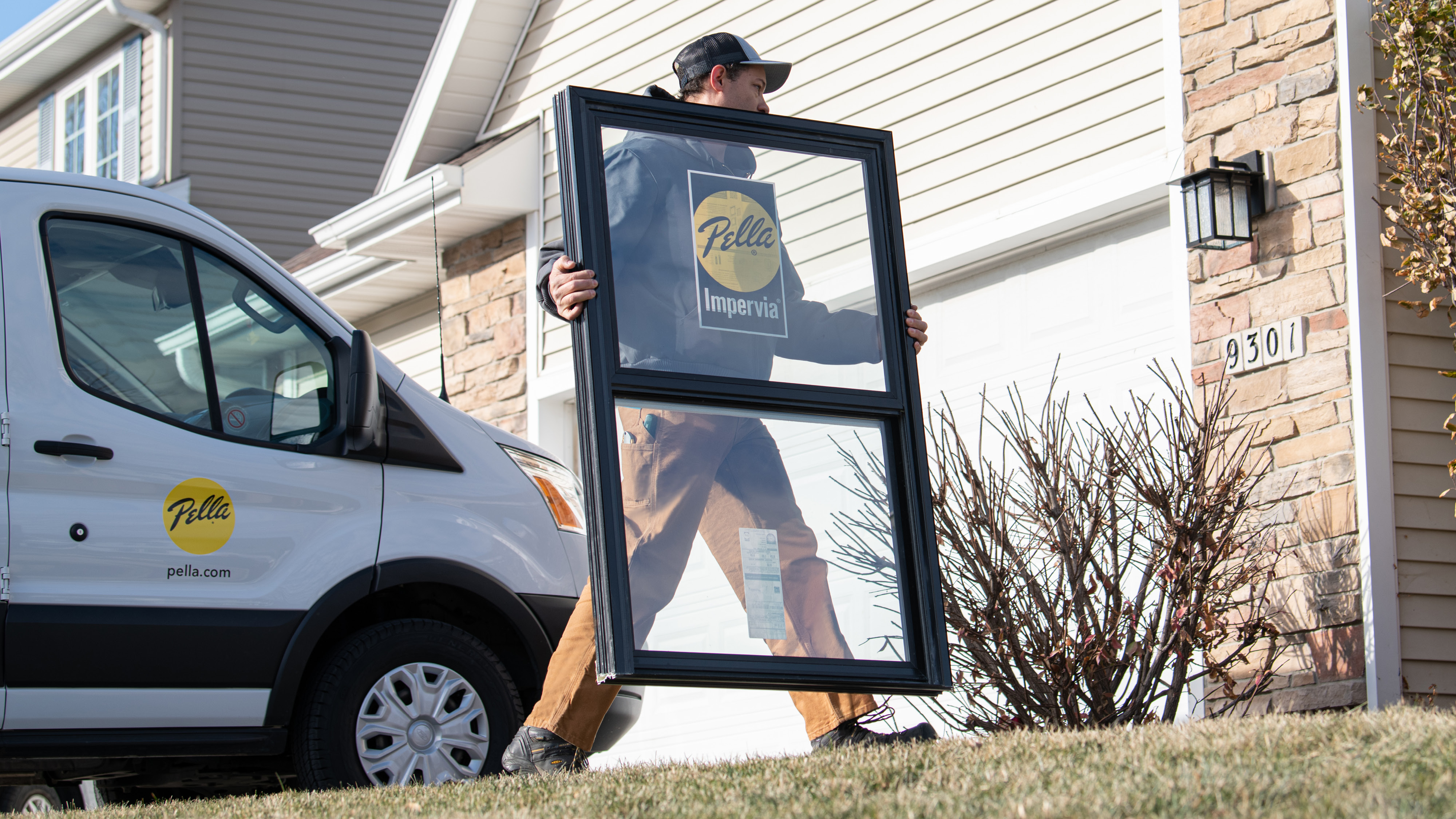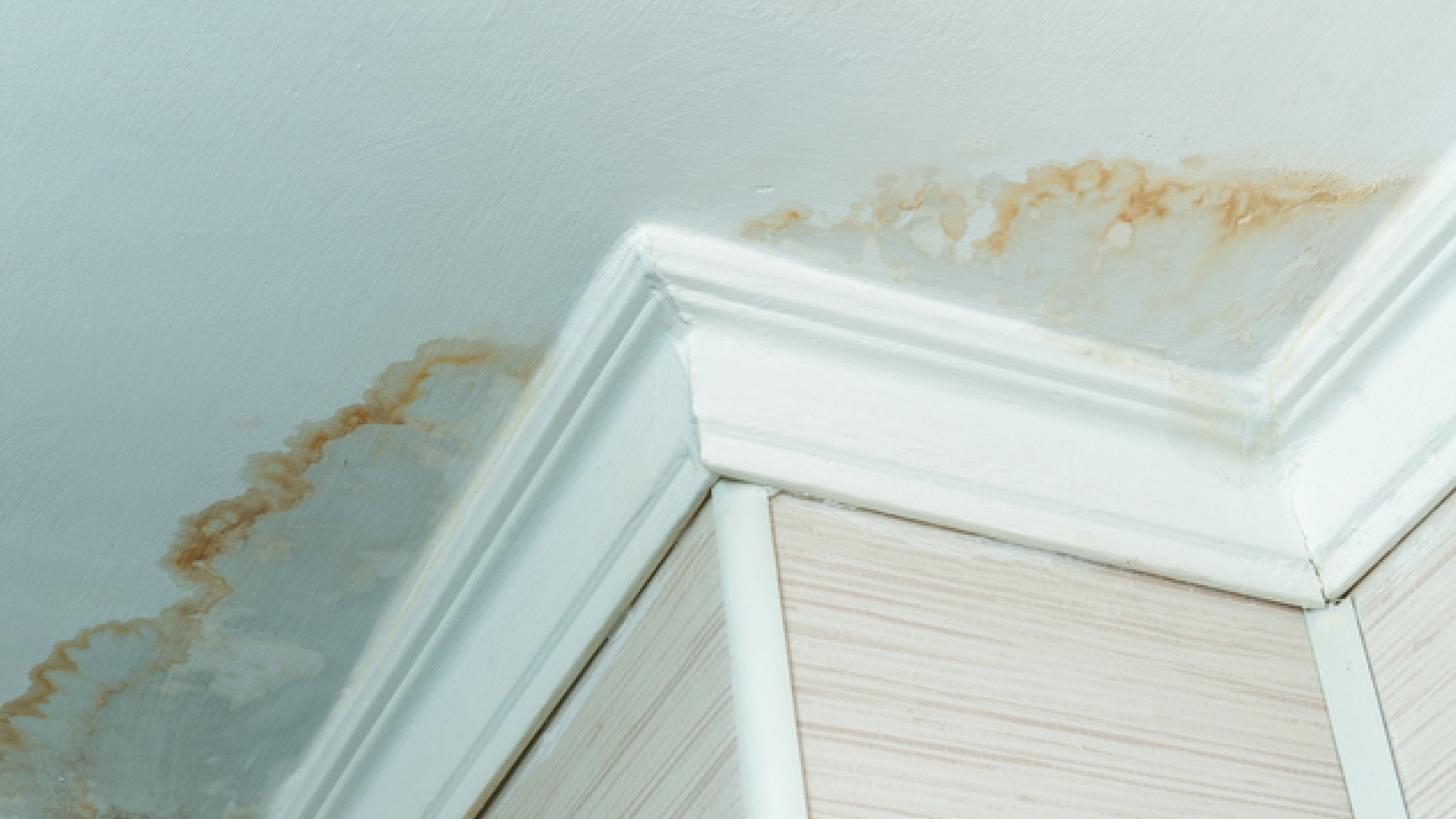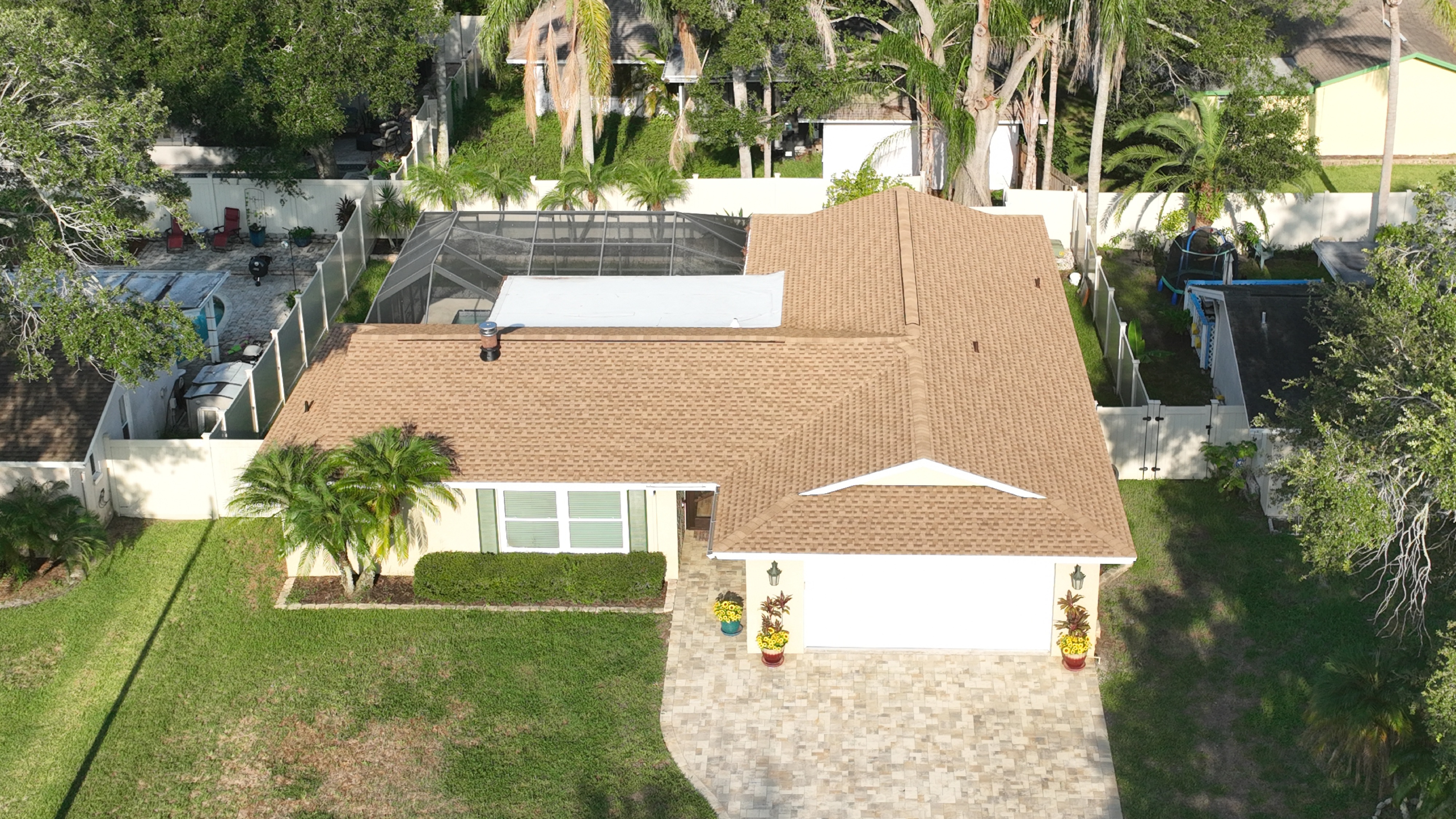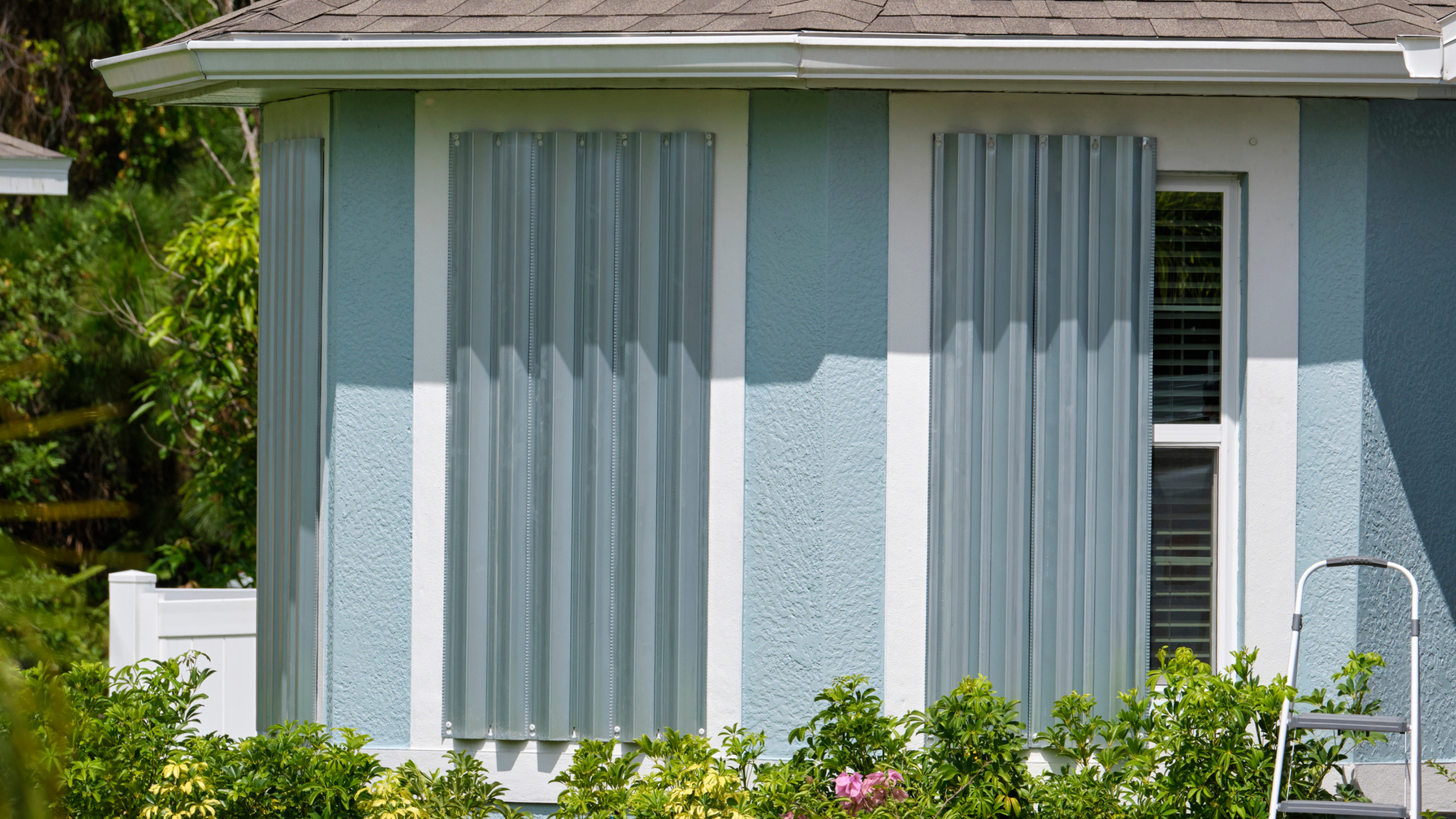
Picture this. A 9-pound piece of lumber gets fired at a window. It travels 50 feet per second. Then the window faces thousands of cycles of wind pressure, simulating a storm that won't quit. That's the actual test a hurricane-rated window has to survive. It's a serious standard. But here's the catch. That test happens on a window bolted into a lab frame. It's not fastened into your actual wall. The anchoring used during hurricane windows installation decides whether that lab result carries over to your home.
What the Rating Actually Certifies
Windows marketed with hurricane rated replacement windows language get certified a specific way. It's through Miami-Dade County's approval process, called a Notice of Acceptance. Or it's through equal ASTM standards. Both tests fire debris at the window. Then the window runs through about 9,000 pressure cycles. That copies sustained hurricane winds. Passing proves the window unit, the glass and frame together, can take the punishment.
What it doesn't test is your specific wall. It doesn't test your specific fastening pattern. It doesn't confirm the installer used the right fastener type and spacing. The certification belongs to the product. The installation is a separate question. It's the one that decides whether the rating means anything once the window sits in your home.
What's Actually Inside the Glass
The glass itself deserves a closer look. It's not just thicker regular glass. Impact windows use laminated glass. That's two panes bonded together with a plastic layer in the middle, usually a material called PVB. It's the same basic idea used in car windshields. When something hits it hard enough to crack the glass, the pane doesn't shatter into loose shards. It stays stuck to that inner layer. That's what actually keeps wind-driven debris and rain from punching straight through during a storm.
This matters because a window can look intact after an impact even though the glass underneath has cracked. That's by design. The lamination is doing exactly what it's supposed to do. A cracked but still-intact impact window after a storm isn't a manufacturing failure. It's the product working as intended.
Why the Fine Print on Anchoring Isn't Optional
Every Notice of Acceptance spells out detailed installation rules:
- The exact fastener type required
- How far apart fasteners need to be spaced
- How deep each fastener has to go into the wall
- Which wall materials the approval even applies to
None of these are loose suggestions a crew can adjust on the fly. A building inspector can fail an install for using the wrong screw. That's true even if the window itself is fully certified and stamped with an approval number.
When the Anchoring Fails, the Rating Doesn't Matter
A poorly anchored hurricane window can fail at a lower wind speed than a normal window. Even one installed correctly. That sounds backward, but it makes sense once you think about it. The certified glass and frame don't matter if the whole unit rips away from the wall. The failure happens at the connection point, not inside the window itself.
This is also where corners get cut in ways homeowners never see coming. A crew running behind schedule might space fasteners a little wider than spec to save time. Or they might use whatever screws are on the truck instead of ordering the exact type the approval calls for. None of that shows up as a visible defect. It only shows up when wind actually tests the connection, which is the one moment you need it to hold.
What You Can't See Once the Job Is Done
Once trim covers the frame, there's a problem. Nobody can check fastener type, spacing, or depth without tearing material off. That's exactly why hurricane replacement windows in most Florida counties need inspection. They need sign-off before the job counts as finished. That inspection exists because install details matter as much as the product itself. Nobody, not even the homeowner, can verify them just by looking at a finished window.
This is precisely why permits and inspections exist as a formal step rather than an optional courtesy. A permit means a third party checks the work. That person has no financial stake in the job. They physically compare the installation against the manufacturer's approval before the work counts as done. Skipping that step doesn't just risk a failed inspection. It removes the one independent check that anything was actually installed to spec in the first place.
What Happens If You Skip the Permit
Homeowners sometimes agree to skip permitting on a hurricane window job. It's usually framed as a way to save time or avoid a fee. That decision can cost far more than it saves. An unpermitted installation can complicate a home sale down the road. Many buyers and their inspectors specifically check for permit records on hurricane-rated products. It can also affect an insurance claim after a storm. Insurers increasingly ask for documentation that hurricane products were installed and inspected to code.
None of this shows up as a problem on installation day. It shows up later, at exactly the moments when having that documentation would matter most.
What to Ask Before You Hire Anyone
Ask whether your installer pulls the required permit and books the inspection. Don't let them skip it or leave that step for you to chase down. Ask to see the Notice of Acceptance for the exact window model going into your home. Anchoring rules can change between products, even from the same manufacturer. You can verify any product's approval directly through Miami-Dade County's product control division, rather than just taking a salesperson's word for it. A contractor who treats these questions as normal, not strange, is telling you they take this part of the job seriously.
Not Every Hurricane Window Is Rated the Same
Certification isn't a single pass or fail line. Each approved product carries a specific design pressure rating. That's a number describing how much wind load it's actually tested to handle. A window rated for one part of a coastline can carry a different rating than the same-looking window sold further inland. Wind exposure changes based on distance from open water and the height of the structure.
This is where a generic hurricane window claim can mislead in a different way than the anchoring issue does. Two products can both be legitimately certified. Both can carry a real Notice of Acceptance. And they can still be rated for very different conditions. Matching the specific design pressure rating to your home's actual exposure is part of what a qualified installer should do before a single window gets ordered. It shouldn't get decided after the fact based on whatever inventory happens to be in stock.
What Ridge Top Provides
Ridge Top installs hurricane-rated windows to each product's exact anchoring requirements. We pull permits and book inspections as a standard part of the job, not an extra step you have to request. We also match design pressure ratings to your home's specific exposure rather than defaulting to whatever's easiest to source.
Use our instant quote tool to get a starting estimate on your window project. Or schedule a consultation with a Ridge Top project consultant to see our hurricane window installation process explained.