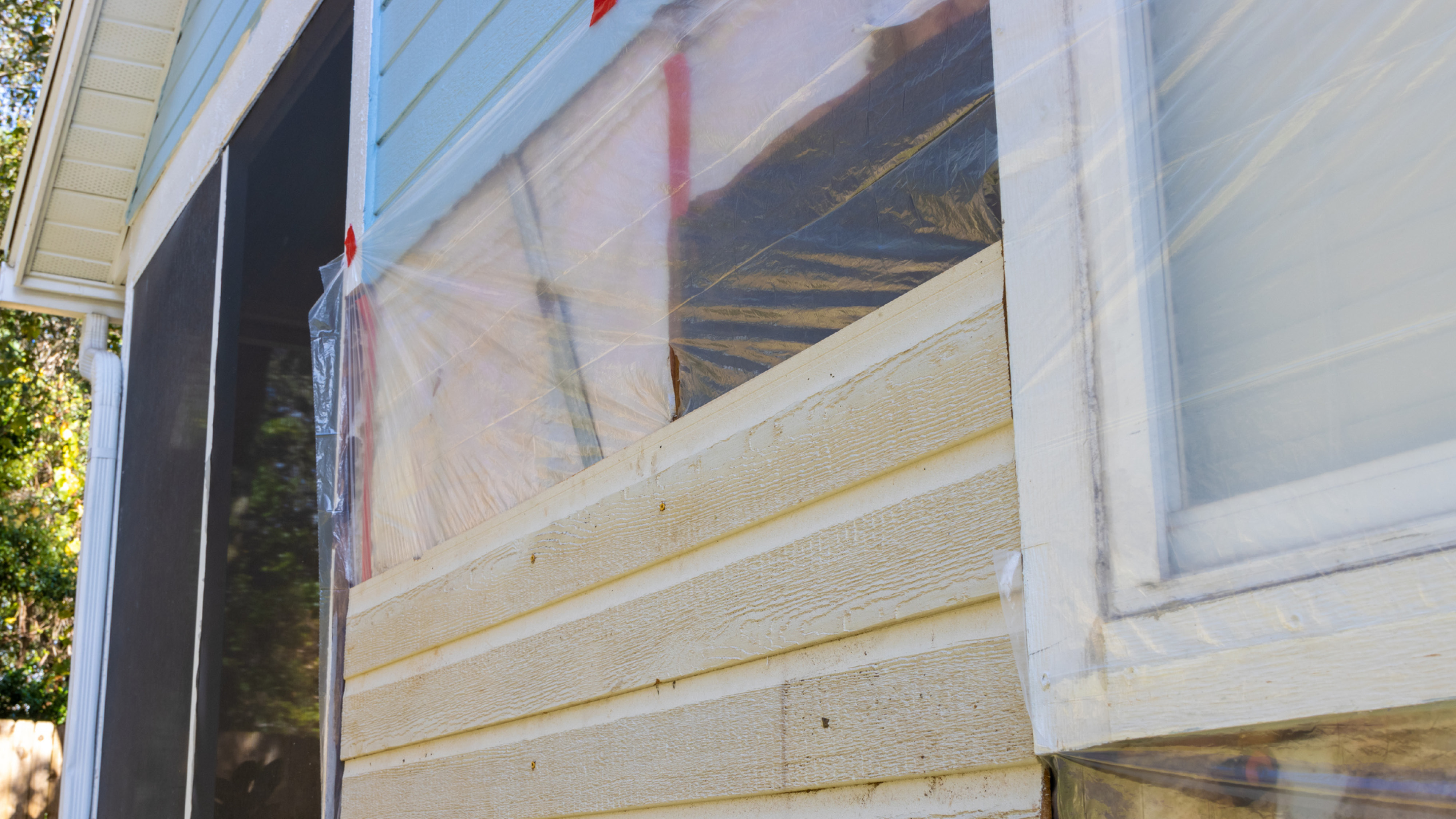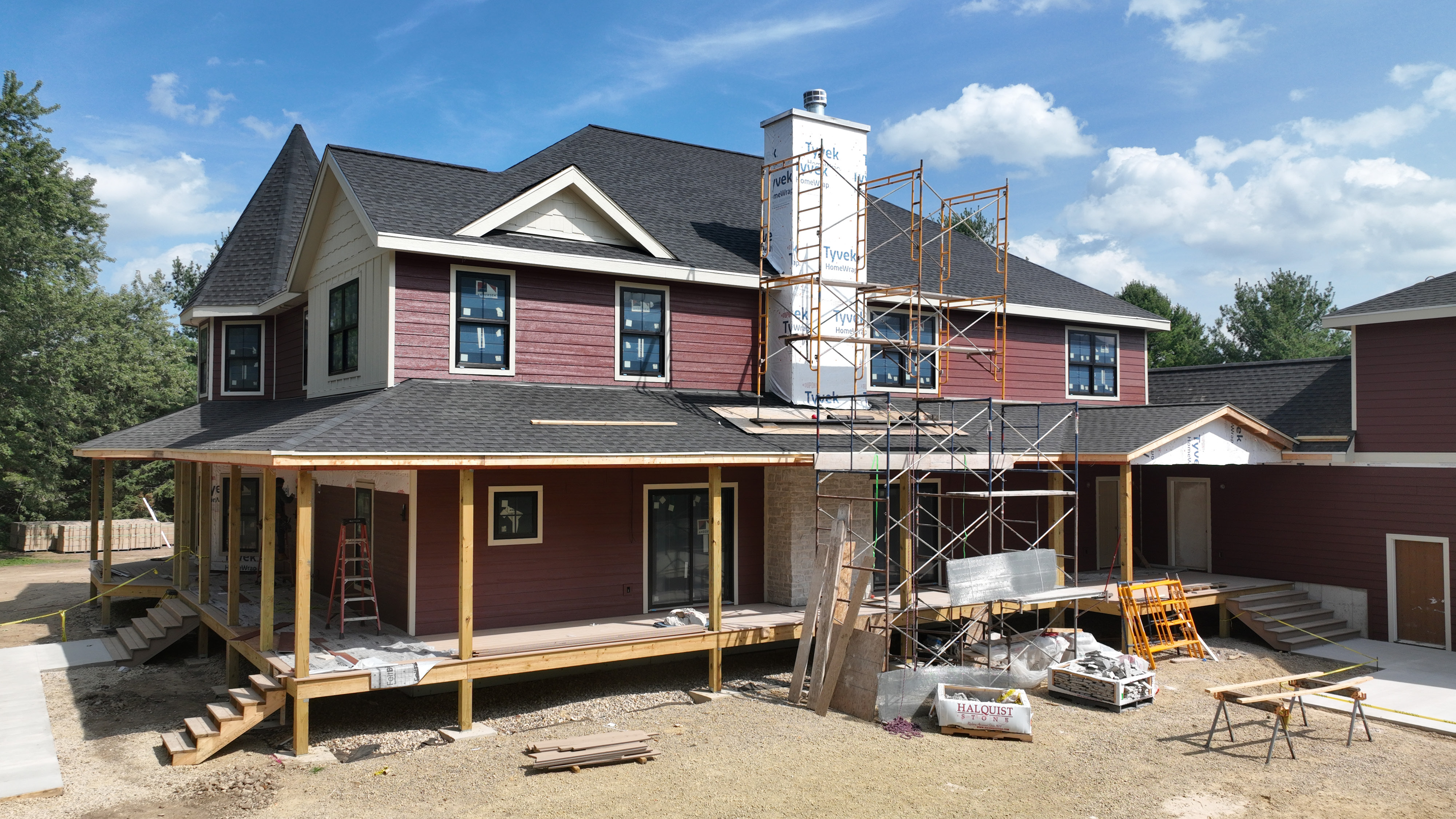
LP SmartSide looks like real wood and installs a lot like it too. That's exactly why LP SmartSide siding installation quality matters so much. Small mistakes that a vinyl installer might get away with can shorten this material's lifespan dramatically. Engineered wood behaves differently than plastic once moisture gets involved, and that difference shows up years down the road, not on install day.
What LP SmartSide Actually Is
LP SmartSide starts as a mat of wood strands. They're pressed and bonded together under heat and resin, similar to how oriented strand board gets made. That engineered core gets a factory-applied finish. It protects the core from moisture and gives it the painted, wood-grain look homeowners choose it for. The strength comes from the engineering. The vulnerability comes from any point where that factory finish gets compromised during installation.
Unlike solid wood siding, LP SmartSide resists warping and cupping well when installed correctly. The engineered strand structure behaves more predictably than a solid wood plank does. That predictability disappears the moment water gets past the finish and into the strand material underneath.
Why Cut Edges Need Immediate Sealing
Every time an installer cuts an LP SmartSide board to length, that cut exposes raw strand material. There's no factory finish protecting it anymore. LP's own published installation instructions call for sealing every cut edge with an approved primer or sealant before the board goes up, and skipping this step is one of the most common shortcuts on a rushed job.
An unsealed cut edge left exposed to moisture can begin absorbing water within the first season. Long before any problem becomes visible on the painted surface. By the time swelling or discoloration shows up at a cut edge, the damage has usually been progressing for months.
What Fastening Requirements Actually Specify
LP SmartSide has specific fastener requirements. Nail type, length, and placement relative to the board edge all differ from standard vinyl or fiber cement installation. Fasteners placed too close to an edge can split the engineered strand material in a way solid wood or vinyl wouldn't necessarily show. Fasteners driven at the wrong angle can also compromise the seal at that penetration point.
Ask your installer whether they follow LP's published fastening schedule specifically. Not just general siding fastening knowledge applied to this particular product. The two aren't always the same. LP's warranty terms typically require following their specific installation guide to remain valid.
Why Clearance and Ground Contact Matter More Here
LP SmartSide siding installation requires specific clearance from grade, roofing, and other horizontal surfaces where water could wick upward into the material. This clearance requirement is often stricter than what vinyl siding needs. Engineered wood strand material absorbs water more readily than vinyl does if given a direct path to it.
Ask how your installer plans to maintain proper clearance at grade level, around decks, and at any roof-to-wall transitions. A siding installation that looks fine on day one can develop a wicking problem within a year or two. That happens if clearance wasn't maintained correctly at even one of these transition points.
What the Warranty Actually Requires
LP SmartSide's limited warranty runs up to 50 years on the substrate and 15 years on the ExpertFinish coating, but like most engineered wood siding products, it includes installation requirements as a condition of coverage. A homeowner filing a claim for swelling or damage related to an installation shortcut, rather than a manufacturing defect, may find the claim denied. Even though the product itself was never faulty.
This is exactly why choosing an installer familiar with this specific product matters more than choosing based on general siding experience or price alone. LP's products carry code compliance reports filed with the ICC Evaluation Service, which independently verifies that a product meets the structural and safety requirements referenced in local building codes. Ask to see documentation of any manufacturer training or certification specific to LP SmartSide before hiring.
How LP SmartSide Compares to Traditional Wood Siding
Homeowners drawn to the look of real wood siding often choose LP SmartSide specifically to avoid the higher maintenance burden that solid wood requires. Traditional wood siding needs more frequent refinishing. It's also more prone to insect damage and rot than engineered strand material. LP SmartSide closes much of that gap while keeping a similar appearance. That only holds up if installation follows the manufacturer's specific requirements around sealing, fastening, and clearance.
This tradeoff only works if the installation is done correctly. An LP SmartSide installation with unsealed cut edges or inadequate clearance can develop the exact rot and moisture problems the product was chosen to avoid in the first place.
What an LP Siding Replacement Project Should Include
A full LP siding replacement should specify a few things in writing, not just a general material name on the estimate:
- The exact panel profile and factory finish color being installed
- The specific fastening schedule the crew plans to follow
- Whether tear-off is standard practice on your project, since installing new LP SmartSide over old, potentially damaged siding defeats the purpose of choosing a durable, engineered product in the first place
- How cut edges will be sealed and what clearance will be maintained from grade and other horizontal surfaces
What to Ask Before Hiring an Installer
Ask directly how many LP SmartSide projects a contractor has completed, separate from their overall siding experience. General siding volume doesn't guarantee familiarity with this specific product's requirements around sealing and fastening. Ask to see photos of completed LP SmartSide projects at least two or three years old, since swelling or discoloration from a sealing shortcut usually takes time to appear.
A contractor confident in their LP SmartSide experience should have no trouble answering specific questions about cut-edge sealing, fastener placement, and clearance requirements without hesitation.
Why This Looks Different by Climate
Wisconsin and Illinois homes see repeated freeze-thaw cycles that can widen even a small unsealed gap at a cut edge over a single winter. Florida's constant humidity creates continuous moisture exposure rather than seasonal cycles. That makes proper clearance and sealing just as critical, even without the same freeze-thaw mechanism at work.
What Ridge Top Provides
Ridge Top Exteriors follows LP's published requirements on every LP SmartSide siding installation, including cut-edge sealing, fastening schedule, and clearance standards. You can browse our siding services and read homeowner reviews. Our process page explains what to expect from first call to final walkthrough.
Use our instant quote tool to get a starting estimate on your siding project, or schedule a consultation with a Ridge Top project consultant to see our LP SmartSide installation process explained in detail.