Most roof leaks start at flashing, valleys, pipe boots, and the eaves. They almost never start in the open field of shingles. Water gets in where the roof plane is interrupted, or where two surfaces meet, which is why a ceiling stain so often shows up on a roof whose shingles still look fine.
That one shift in thinking changes how you read a home roofing estimate. A roof is a system of parts working together, not a surface you cover with shingles. Below, we walk through the places roofs genuinely fail. Then we connect each one to a line item you should expect to see in writing before you sign.
Flashing: The Number One Source of Roof Leaks
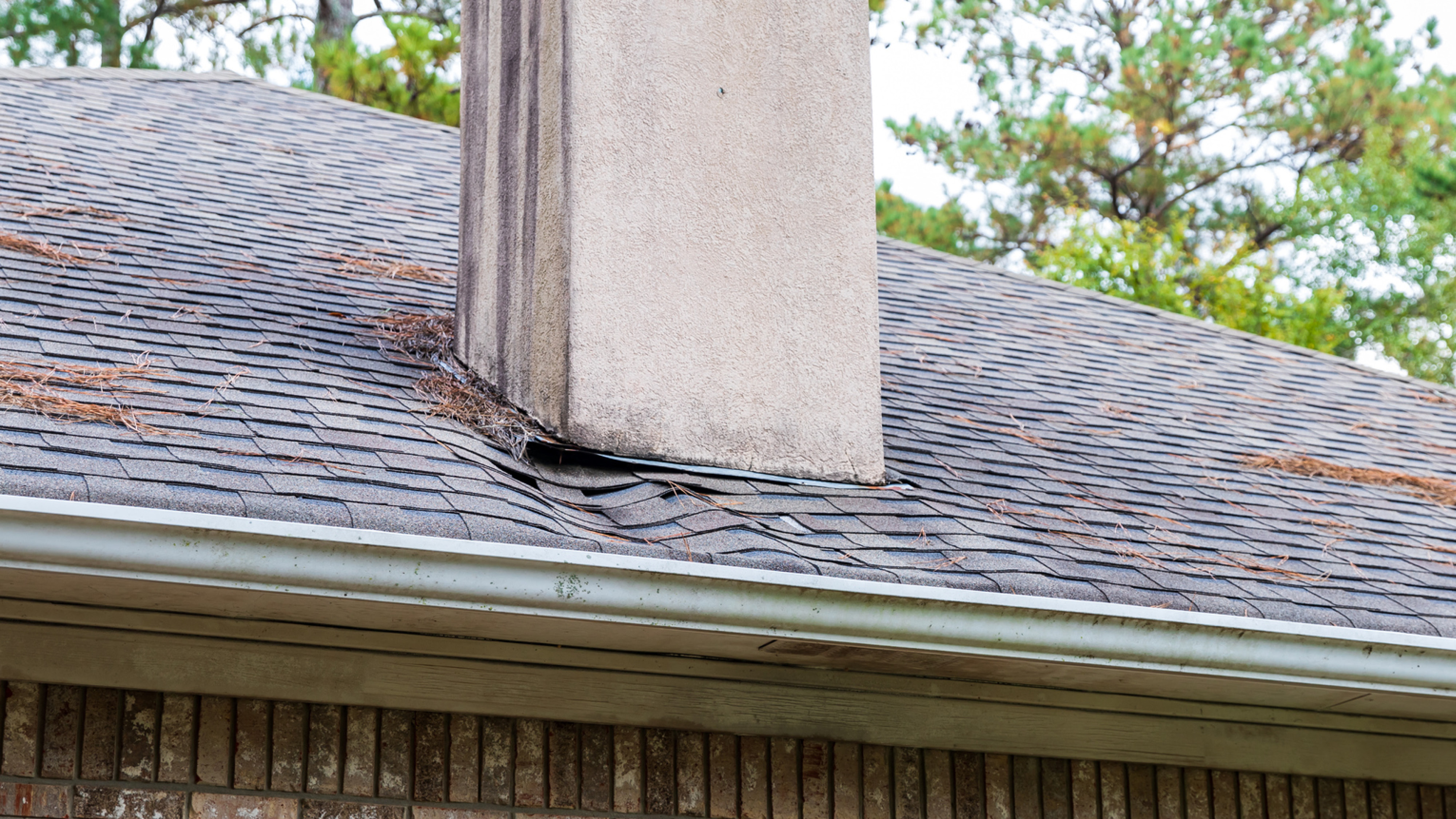
Flashing causes more roof leaks than any other component. Flashing is the thin metal that bridges the gap wherever the roof meets something else: a wall, a chimney, a skylight, a dormer. Shingles shed water across a slope. Flashing handles the places where that slope stops. The National Roofing Contractors Association publishes an entire manual volume on metal flashing details, which tells you how much there is to get right.
This is why so many homeowners search for answers when their roof is leaking but shingles look fine. The shingles are fine. The metal underneath them, or the metal that was never replaced, is not. Replacing flashing rather than reusing it is part of how we scope every roofing project.
Walls and Step Flashing
Step flashing is a series of small L-shaped metal pieces, woven in one at a time as each row of shingles goes on. Each piece overlaps the one below it. That creates a stair-step path that carries water away from the wall. It only works when it is installed shingle by shingle, from the bottom up.
Here is the shortcut that costs homeowners the most: reusing old step flashing on a new roof. Pulling and replacing it means removing siding. So some crews leave the bent, nail-holed metal in place and shingle around it. The roof looks new from the street and starts leaking in a few years.
Chimneys, Skylights, and Counter Flashing
Chimneys and skylights need two layers of protection, not one. Base flashing sits against the roof deck. Counter flashing is set into the masonry above it, so water running down the chimney cannot slip behind the base. Skylights depend on a properly built curb and a matched flashing kit from the manufacturer.
Sealant is not flashing. When a chimney has been caulked over and over instead of reflashed, the real detail was skipped. Caulk fails on a schedule. Correctly layered metal does not.
Valleys: Where the Most Water Moves
A valley carries more water than any other part of your roof, because two slopes drain into one channel. Every gallon that lands on both planes funnels through that single line. Valley construction is a real decision, not a detail.
Valleys need a dedicated waterproof membrane underneath and a deliberate method above. That means either an open valley with exposed metal, or a closed valley with carefully cut shingles. Either can work when built correctly. The underlayment and roof covering rules in Chapter 9 of the International Residential Code set the floor here. What fails is a valley with no membrane, sloppy cuts, or nails driven through the channel where water runs.
A failing valley on an otherwise sound roof is often a targeted repair, not a replacement. That is the kind of fix our RoofCare+ program is built around, and an honest contractor will tell you when a repair is all you need.
Pipe Boots and Roof Penetrations
Pipe boots are the most predictable leak on any roof. The rubber collar that seals around your plumbing vent pipes dries out, splits, and lets water run straight down the pipe into the attic. That usually happens years before the shingles reach the end of their life.
The good news is that a boot is inexpensive. Replacing every boot during a reroof costs very little compared to the roof itself, which is why leaving the old ones in place is such a frustrating shortcut. Small parts like these are also the first things to go unnoticed, and we have written separately about what happens to a roof that goes years without professional attention.
Eaves, Drip Edge, and Ice Dams
The bottom edge of your roof is where winter does its damage. Drip edge is the metal that directs water off the deck and into the gutter instead of behind it. Without it, water wicks backward and rots the fascia and the first few feet of decking. The Asphalt Roofing Manufacturers Association covers this in its library of plain-language technical bulletins, including one devoted to drip edge at eaves and rakes.
Ice dams are the bigger issue in cold climates. Warm air escaping into the attic melts snow higher on the roof. That water runs down to the cold overhang and refreezes into a ridge. More water then backs up behind the ridge and moves uphill under the shingles. Shingles were never designed to stop that.
That is what the waterproof ice barrier at the eaves is for, and how far it extends up the slope matters. The residential code sets a minimum, and homes with steep pitches or deep overhangs often need more than a single course.
Why Attic Ventilation Belongs in This Conversation
An ice dam is an attic problem showing up as a roofing problem. Balanced intake at the soffits and exhaust at the ridge keeps the underside of the deck close to the outside temperature. Snow then melts evenly instead of refreezing at the edge. Section R806 of the residential code sets a minimum amount of attic ventilation based on the floor area being vented.
Insulation and air sealing do the other half of the work. ENERGY STAR lists winter ice dams among the symptoms that point to an attic air sealing project, alongside drafty rooms and high heating bills. Trapped heat and moisture also age shingles from underneath, so we evaluate the attic as part of our roofing work rather than treating it as a separate issue.
Fastening Errors and Why New Roofs Leak
Yes, a brand new roof can leak, and fastening is usually why. Every shingle has a narrow nailing strip, and nails must land inside it. Nails placed too high miss the shingle below and leave the head exposed to water. Nails driven too deep cut through the shingle and create an open hole.
Too few nails per shingle causes a different failure. Shingles lift in wind, break their seal, and let water underneath. Your shingle manufacturer publishes installation instructions and a limited warranty document that spell out fastener count, placement, and depth. Those two documents are worth reading before you choose a contractor, because installation outside those specifications routinely voids coverage. It is also why our installation standards and workmanship guarantee are written down.
Repair or Replace: How to Read the Signs
Several of these failures are repairs, not replacement triggers, and you deserve to hear that plainly. A cracked pipe boot, one section of failed flashing, or a poorly built valley on a roof with years of life left is a repair. The manufacturers' own residential bulletins make the same point, including one titled simply that asphalt shingle roofs are repairable. When that is the answer, we say so and handle it through RoofCare+.
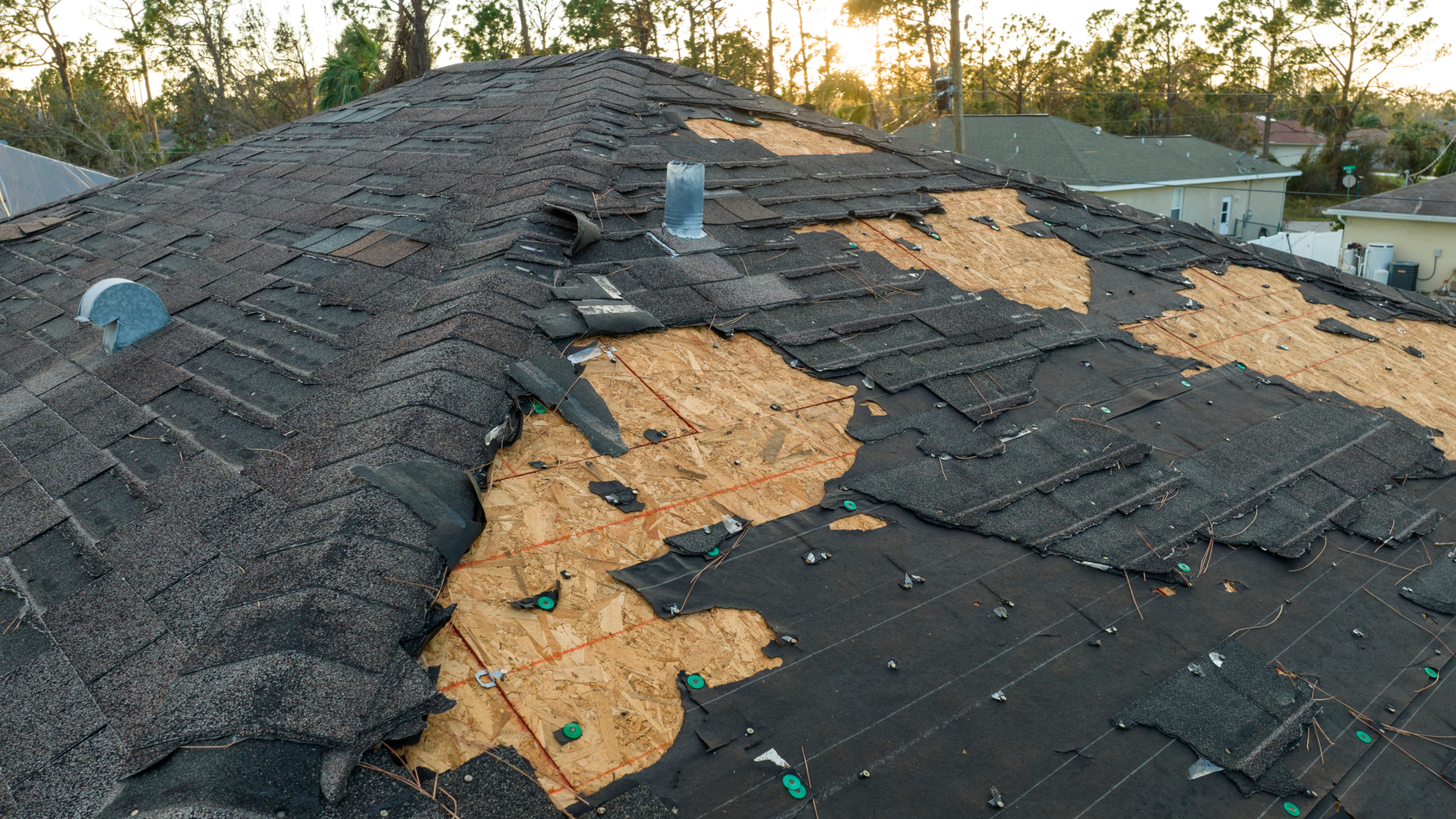
Replacement makes sense when the failures are widespread: granule loss across the field, curling or brittle shingles, several leak points, or decking that has gone soft. At that stage, a full roof replacement costs less over time than another round of patches.
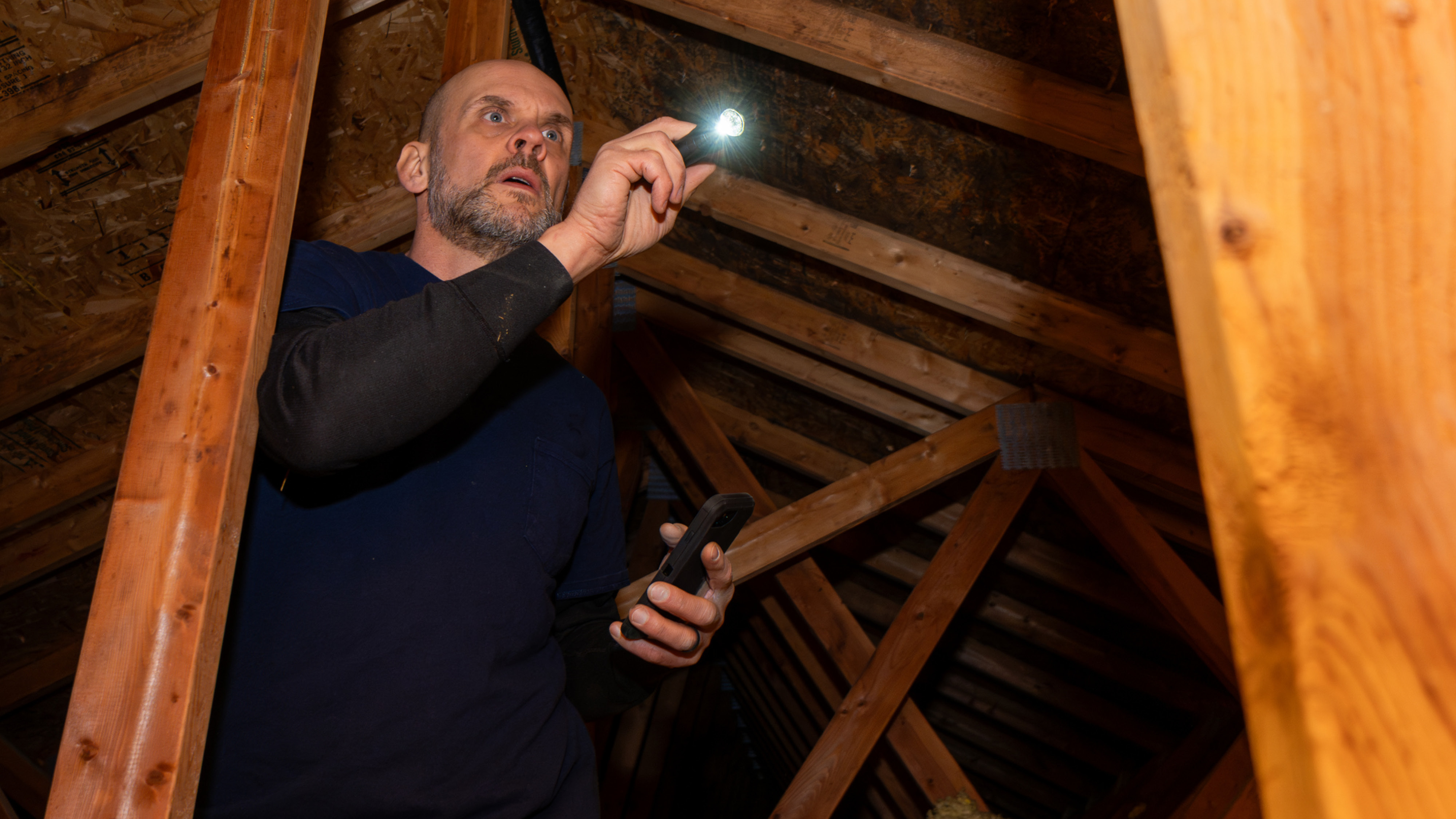
One more detail is worth knowing. A ceiling stain rarely sits directly below the entry point. Water travels along decking and framing before it drops, so the stain in your hallway may trace back to a chimney two rooms over. That is why diagnosis starts in the attic, not on the ceiling.
What This Means for Your Home Roofing Estimate
Every failure point above should map to a named line item on your home roofing estimate. If the document only names a shingle brand, a color, and a price, the scope of work is unknown. That is not a bargain. It is a blank space where the components that actually keep water out are supposed to be.
A complete home roofing estimate should name, at minimum:
- New step flashing and counter flashing at every wall, chimney, and skylight, stated as new rather than reused
- Valley construction method and the underlayment used in the valley
- Replacement of all pipe boots and penetration seals
- Drip edge at the eaves and rakes
- Ice barrier at the eaves, and how far up the slope it extends
- Fastener type and count per shingle, per the manufacturer's instructions
- Intake and exhaust ventilation, including what is being added or corrected
- Decking inspection and the per-sheet price for any boards that need replacing
When two bids are thousands apart, this list usually explains the gap. Ask both contractors to show you where each item appears in their scope. The conversation gets clear fast. You can see what we include in a complete roofing scope before you ever talk to us.
We work in neighborhoods across southeastern Wisconsin and northern Illinois, where freeze and thaw cycles put these exact details under pressure every winter. If you want a second set of eyes on a bid you already have, send it our way and we will walk through it with you.
Ask for It in Writing
The most useful thing you can do right now is ask every contractor to put the components in writing. Not shingles and a total. Flashing, valleys, boots, drip edge, eave protection, fasteners, and ventilation, each one named and priced.
When you are ready, request a roof inspection and we will show you photos of what we find, then give you an itemized home roofing estimate that explains itself. If the answer is a repair, we will tell you that too. Take whatever time you need to compare and decide. A good roof will outlast the decision.