Your siding can look flawless from the driveway. Meanwhile, the wall behind it could be quietly rotting away. The only way to actually know what's happening underneath is a full tear-off during vinyl siding replacement. Not a partial repair. Not a re-side layered right over the old panels. It's the difference between actually knowing what you're dealing with and just hoping for the best.
Why Re-Siding Over Old Panels Hides Problems
Installing new siding directly over old panels is faster and cheaper up front. That's exactly why some contractors offer it as the default move. It also means nobody ever inspects the sheathing, the moisture barrier, or the framing underneath. Any existing damage stays hidden. It keeps spreading. Eventually it turns into a much bigger, pricier problem, usually discovered years later during a totally different project.
A full tear-off is the only point in the whole process where anyone can actually see what's behind your siding. Skip it, and the problem doesn't disappear. It just means nobody looked.
What Tear-Off Commonly Turns Up
Three issues show up again and again once the old siding comes off.
Moisture-Damaged Sheathing
Sheathing is the wood layer siding attaches to. Once it's wet long enough, it softens and loses the strength that holds fasteners in place. This usually shows up around windows, doors, and anywhere flashing was missing or installed wrong the first time.
Compacted Insulation
Insulation that's settled over the years leaves gaps. Those gaps reduce how well the wall holds heat in winter. They also let heat back in during summer. None of this shows up from the outside.
Deteriorated House Wrap
House wrap is supposed to stop water from ever reaching the sheathing. Once it tears or breaks down with age, that protection is gone. That's true even if the siding on top still looks great.
None of these issues show up from outside, even to a trained eye. Not until the existing siding actually comes off. That's a completely different process than vinyl siding installation done as a quick cover-up job. It's also exactly the kind of detail the Polymeric Exterior Products Association trains certified installers to check for as standard practice, not an afterthought.
Warning Signs You Can Actually Spot From Outside
The real damage stays hidden until tear-off. But a few outside clues suggest it's worth a closer look sooner rather than later. Siding that feels slightly soft or spongy when you press on it, rather than firm, often means moisture already reached the material behind it. Panels that started to bow, warp, or pull away from the wall at the seams are reacting to something happening underneath. That's not just surface aging.
A musty smell near an exterior wall is another clue, especially if you notice it from inside the home. It's one of the more reliable signs that moisture has been trapped for a while. None of these signs tell you exactly how bad the damage is. They just tell you it's worth having someone check, instead of assuming everything behind the wall is fine.
Why Catching This Now Beats Catching It Later
Moisture damage found during tear-off gets fixed as part of the current project. The wall's already open. The crew's already there. That's a straightforward repair, priced and handled in one visit.
The same damage found years later tells a different story. By then, new siding has already gone up over it. Fixing it means tearing out that newer material first. Then the original problem gets repaired. Then siding goes back up all over again. The cost difference between these two situations is real. The delayed repair often costs several times more, and that's before accounting for the added labor of undoing work that was only recently finished.
This is exactly why a legitimate quote for vinyl siding replacement should spell out what happens if sheathing repair turns out to be needed. It shouldn't just assume the wall underneath is fine with no way to check.
How Long a Proper Tear-Off Actually Takes
A full tear-off adds time compared to a re-side. That's not a downside. It's the point. Removing all existing siding and trim takes real hours. So does inspecting what's behind it. So does repairing any damaged sections before the new weather barrier goes on. A cover-up job skips all of this entirely.
On an average single-family home, that inspection and repair window typically adds one to two days to the schedule. It depends on how much repair the crew actually finds. Contractors who promise the fastest possible timeline on a full siding replacement are sometimes the ones quietly skipping this step. A timeline that sounds too good for the scope of work is worth asking about before you sign anything.
Why Timing the Project Matters More Than People Expect
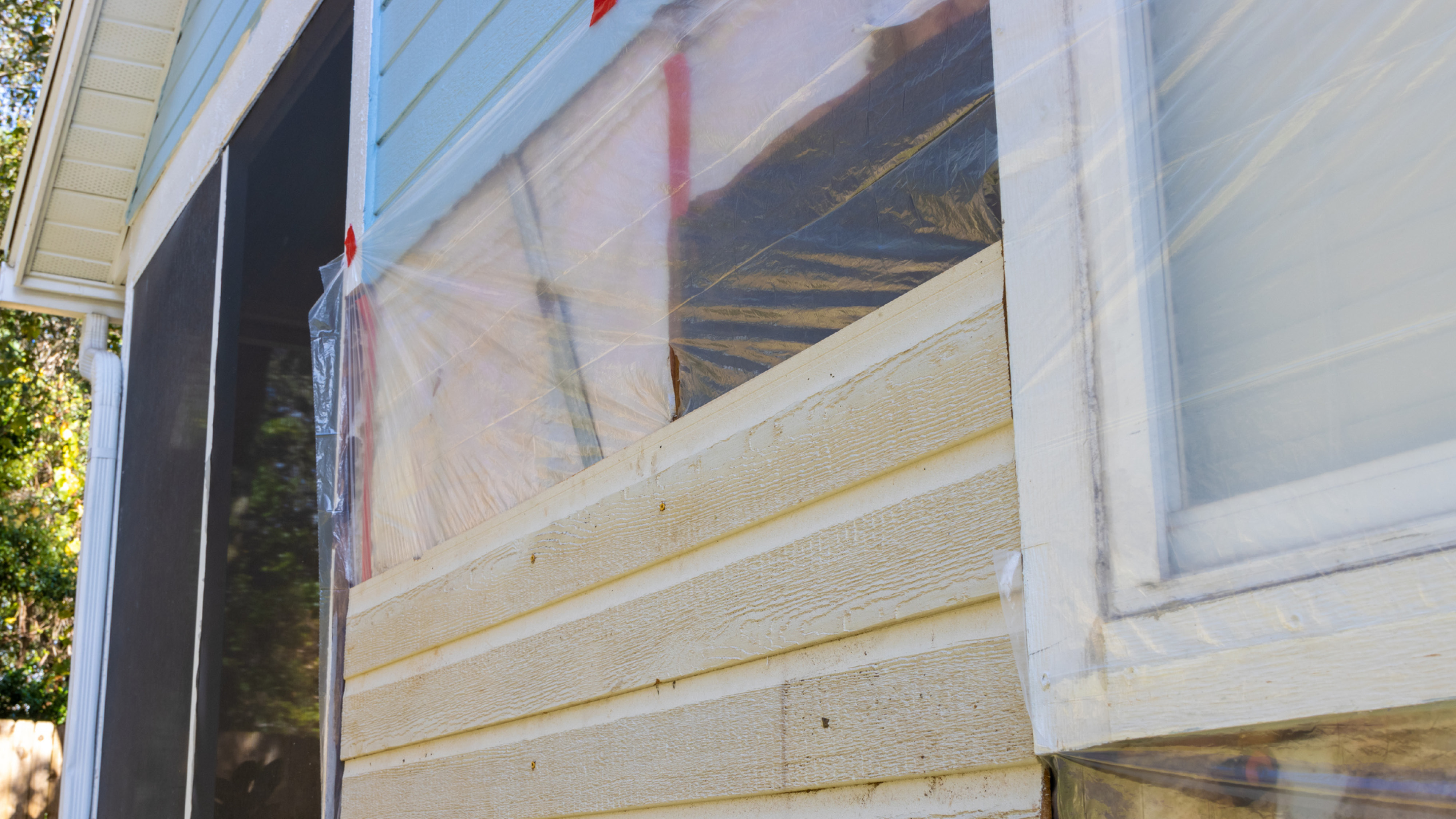
A full tear-off means your wall sits exposed, at least in sections, for part of the project. That's normal and it's planned for, but it does mean weather matters more here than it does for a lot of other home projects. A good crew works in sections, exposing only what they can weatherproof again before the day ends, rather than stripping an entire side of the house and hoping the forecast holds.
This is also part of why scheduling a tear-off during a stretch of unpredictable weather, especially in early spring or late fall in colder markets, benefits from a contractor who plans daily sections carefully rather than one who's just trying to move fast. Ask how a contractor handles an unexpected rain delay mid-project. Their answer tells you a lot about how much they've actually thought through the exposure risk that comes with doing the job right.
What Happens to the Old Siding
A full tear-off also means dealing with the material that comes off the wall, which is worth asking about before the project starts. Old vinyl siding is recyclable in a lot of areas, though not every hauler or disposal site processes it the same way. A contractor who has an established plan for where torn-off material goes, rather than a dumpster and a shrug, is usually the same contractor who's thought through the rest of the process carefully too.
This detail rarely makes or breaks a decision on its own, but it's one more small signal about how much a company has systemized a process that a lot of competitors treat as an afterthought.
What a Proper Tear-Off Process Looks Like
A full tear-off removes all existing siding and trim. Then comes an inspection of the sheathing and any existing moisture barrier. Damaged sections get repaired or replaced before a new weather-resistant barrier goes on. Only then does new siding installation actually begin. Skipping any of these steps to save a day or two undermines the whole point of a full replacement instead of a cheaper patch job.
What Ridge Top Provides
Ridge Top performs a full tear-off on every siding replacement. That means we actually inspect what's behind your existing siding instead of covering it up. Any issues we find get fixed before new siding goes on, not after. And not on some future job once the damage has had years to spread.
Use our instant quote tool to get a starting estimate on your siding project. Or schedule a consultation with a Ridge Top project consultant to discuss what a full tear-off involves for your home.